📖 Clinical and functional assessment of SARS-CoV-2 sequelae among young marines – a panel study
❦ ‘In this population of healthy young adult US Marines with mostly either asymptomatic or mild acute COVID-19, one fourth reported physical, cognitive, or psychiatric long-term sequelae of infection.
The Marines affected with PASC [Post-Acute Sequelae of COVID-19 / Post-COVID-19 Complications / ‘Long Covid’] showed evidence of long-term decrease in functional performance suggesting that SARS-CoV-2 infection may negatively affect health for a significant proportion of young adults.’
❂
‘Among the 899 participants, 88.8% had a SARS-CoV-2 infection.
Almost a quarter (24.7%) of these individuals had at least one COVID-19 symptom that lasted for at least 4 weeks meeting the a priori definition of PASC established for this study.
Among those with PASC, 10 had no acute SARS-CoV-2 symptoms after PCR-confirmed infection suggesting that PASC can occur among asymptomatic individuals.
Many participants reported that lingering symptoms impaired their productivity at work, caused them to miss work, and/or limited their ability to perform normal duty/activities.
Marines with PASC had significantly decreased physical fitness test scores up to approximately one year post-infection with a three-mile run time that averaged in the 65th percentile of the reference cohort.
[PASC was associated with a significantly increased 3-mile run time on the standard Marine fitness test. PASC participants ran 25.1 seconds slower than a pre-pandemic reference cohort composed of 22,612 Marine recruits from 2016 to 2019.
A three-mile run evaluates aerobic exercise, overhead lifting of an ammunition can and pull-ups evaluate strength, and shooting a rifle evaluates fine-motor skills.]
Scores for events evaluating upper body (pull-ups, crunches, and ammo-can lift) were not significantly reduced by PASC; however, overall physical fitness scores were reduced.
‘The poorer run times and overall scores among PASC participants are indicative of on-going functional effects.’
Standardized health-based assessments for somatization, depression, and anxiety further highlighted the detrimental health effects of PASC.
Almost 10% of participants with PASC had PHQ-8 scores ≥10. Increased somatization* has been associated with increased stress, depression, and problems with emotions.
* [Somatization / Somatisation = Medical symptoms caused by psychological stress.]
Additionally, PASC participants had higher GAD-7 scores suggesting increased anxiety in a population with unique inherent occupational stressors associated with higher rates of anxiety, depression, and post-traumatic stress disorder.
‘Increased severity of anxiety among those with PASC, combined with greater rates of mental health disorders in general, could portend an ominous combination and should be closely followed.’
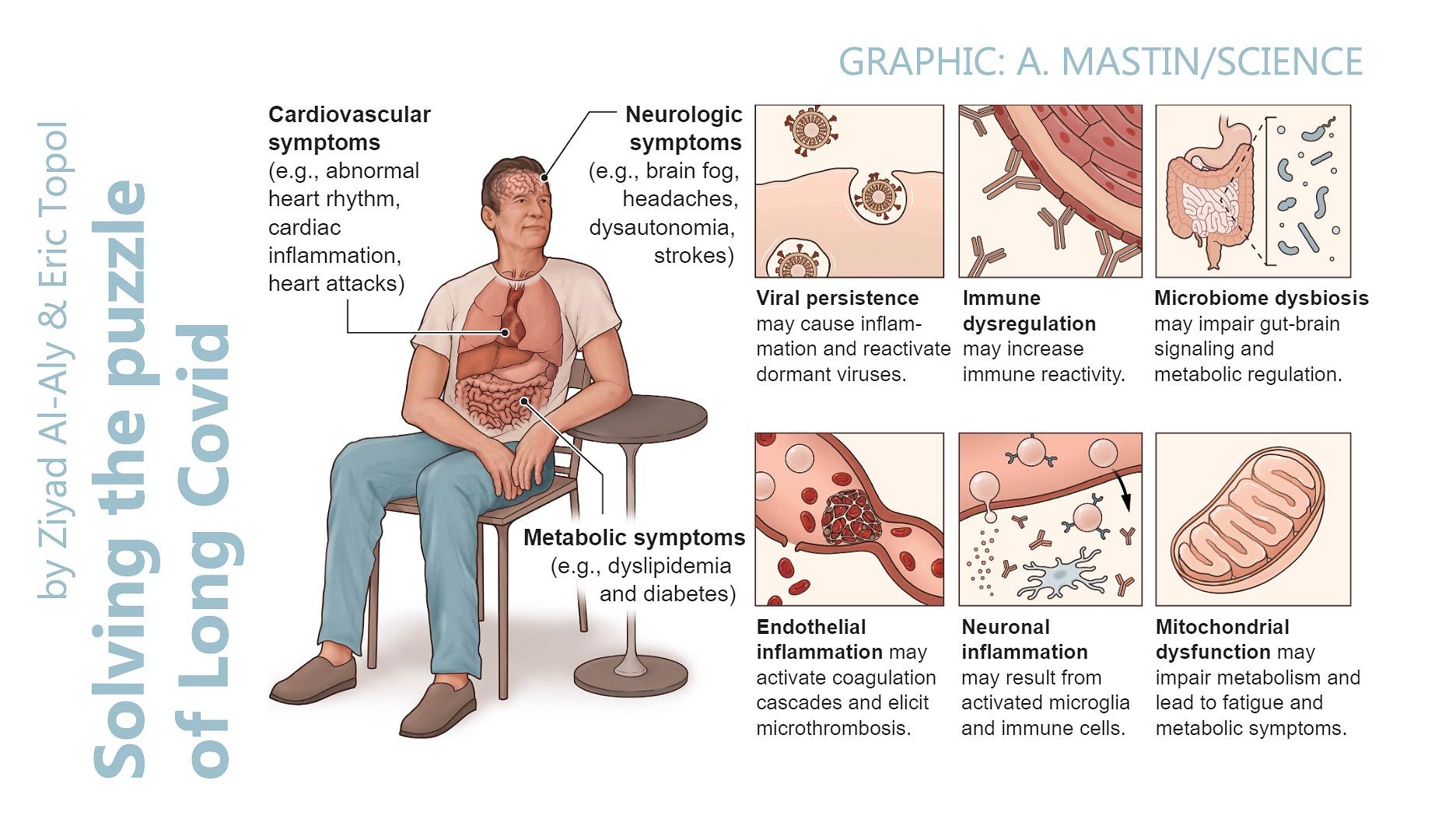
Like others, we identified cardiopulmonary symptoms as some of the most prevalent.
The high prevalence of symptoms like shortness of breath, difficulty breathing, cough, and fatigue is particularly notable when combined with decreased objective measures of aerobic performance such as running.
These results suggest pathology in the cardiopulmonary system.
In contrast we observed no reduction in scores assessing strength and marksmanship suggesting the lack of detectable pathology in the neuro-musculoskeletal system.
We have previously found in this same cohort that SARS-CoV-2 infection causes prolonged dysregulation of immune cell epigenetic patterns like auto-immune diseases.
Based on the reported PASC symptoms, the potential current and future public health implications in this population could be substantial.
‘Chronic health complications from PASC, especially in a young and previously healthy population with a long life expectancy, could decrease work productivity and increase healthcare costs.’
Significant changes in the Years-of-Life lived with a disability can disproportionally increase disability-adjusted life-years, and should be considered when allocating resources and designing policy.’
❂
📖 (23 Oct 2024 ~ The Lancet: Regional Health/America) Clinical and functional assessment of SARS-CoV-2 sequelae among young marines – a panel study ➤
© 2024 The Lancet.

➲ 'Clinical and functional assessment of SARS-CoV-2 sequelae among young marines – a panel study', by Porter et al.
➲ Date accessed: 8 Nov 2024.
© 2024 The Lancet.