📖 Microstructural brain abnormalities, fatigue, and cognitive dysfunction after mild COVID-19
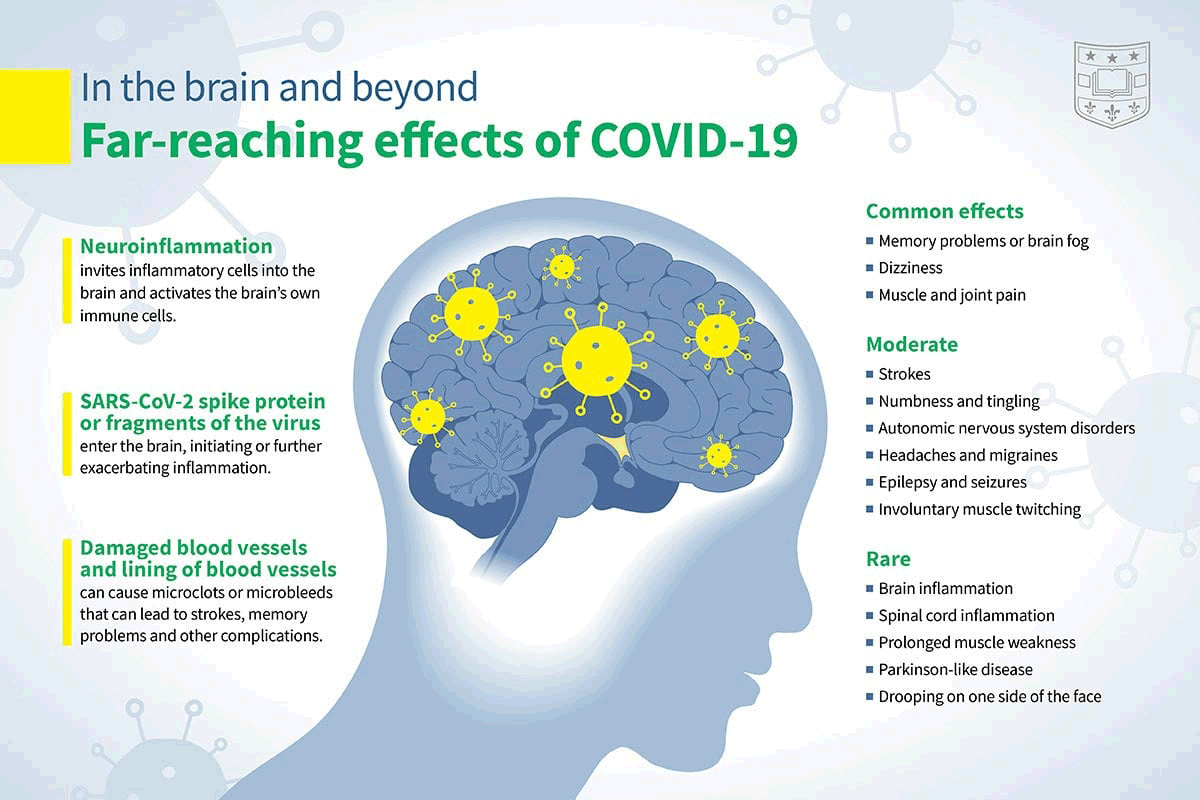
❦ ‘Although some studies have shown neuroimaging and neuropsychological alterations in post-COVID-19 patients, fewer combined neuroimaging and neuropsychology evaluations of individuals who presented a mild acute infection.
Here we investigated cognitive dysfunction and brain changes in a group of mildly infected individuals.
We conducted a cross-sectional study of 97 consecutive subjects (median age of 41 years) without current or history of psychiatric symptoms (including anxiety and depression) after a mild infection, with a median of 79 days (and mean of 97 days) after diagnosis of COVID-19.
We performed semi-structured interviews, neurological examinations, 3T-MRI scans, and neuropsychological assessments.
The patients reported memory loss (36%), fatigue (31%) and headache (29%).
The quantitative analyses confirmed symptoms of fatigue (83% of participants), excessive somnolence (35%), impaired phonemic verbal fluency (21%), impaired verbal categorical fluency (13%) and impaired logical memory immediate recall (16%).
Our group… presented higher rates of impairments in processing speed (11.7% in FDT-Reading and 10% in FDT-Counting).
The white matter (WM) analyses with DTI* revealed higher axial diffusivity values in post-infected patients compared to controls.
*Diffusion tensor imaging tractography, or DTI tractography, is an MRI (magnetic resonance imaging) technique most commonly used to provide imaging of the brain.
Our results suggest persistent cognitive impairment and subtle white matter abnormalities in individuals mildly infected, without anxiety or depression symptoms.
One intriguing fact is that we observed a high proportion of low average performance in our sample of patients (which has a high average level of education), including immediate and late verbal episodic memory, phonological and semantic verbal fluency, immediate visuospatial episodic memory, processing speed, and inhibitory control.
Although most subjects did not present significant impaired scores compared with the normative data, we speculate that the low average performance affecting different domains may result in a negative impact in everyday life, especially in individuals with high levels of education and cognitive demands.’
❂
❦ Note how these findings might negatively affect daily activities that demand sustained cognitive attention and fast reaction times – such as driving a car or motorbike, or piloting a plane. Consider air-traffic control.
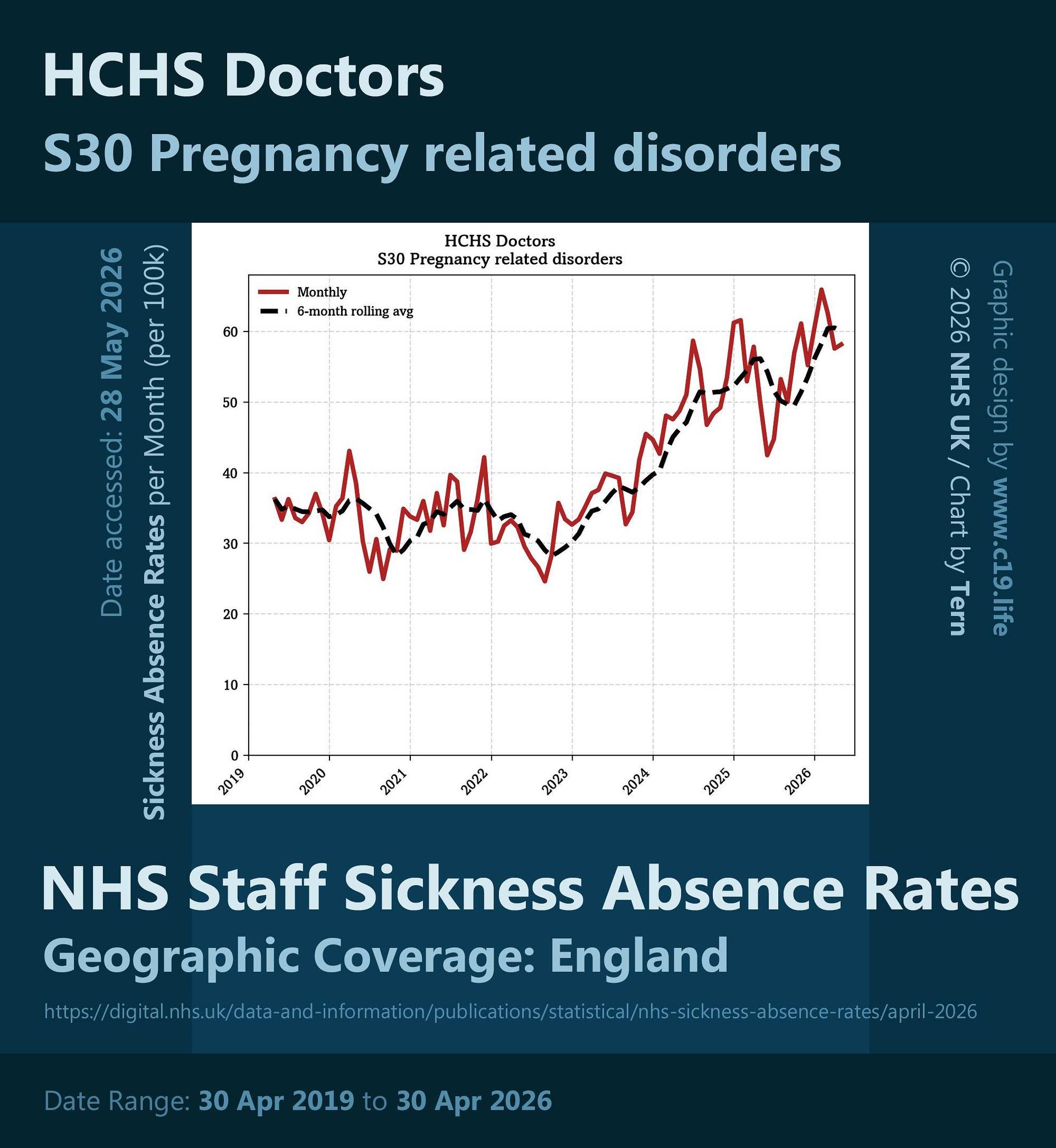
Consider the impact on healthcare workers whose occupations combine long periods of intense concentration with a need for critical precision.
❂
📖 (19 Jan 2024 ~ Nature: Scientific Reports) Microstructural brain abnormalities, fatigue, and cognitive dysfunction after mild COVID-19 ➤
© 2024 Nature.