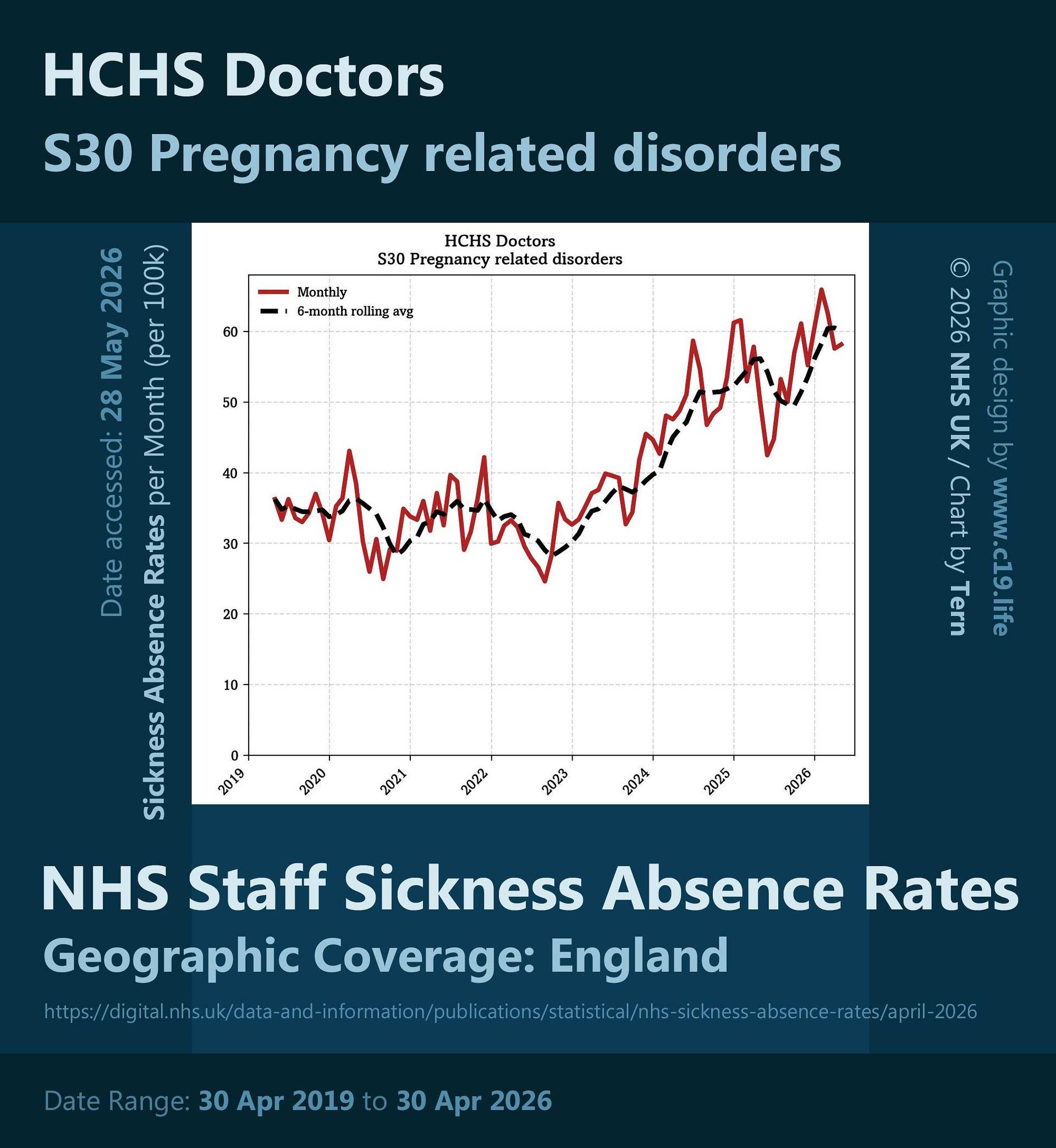
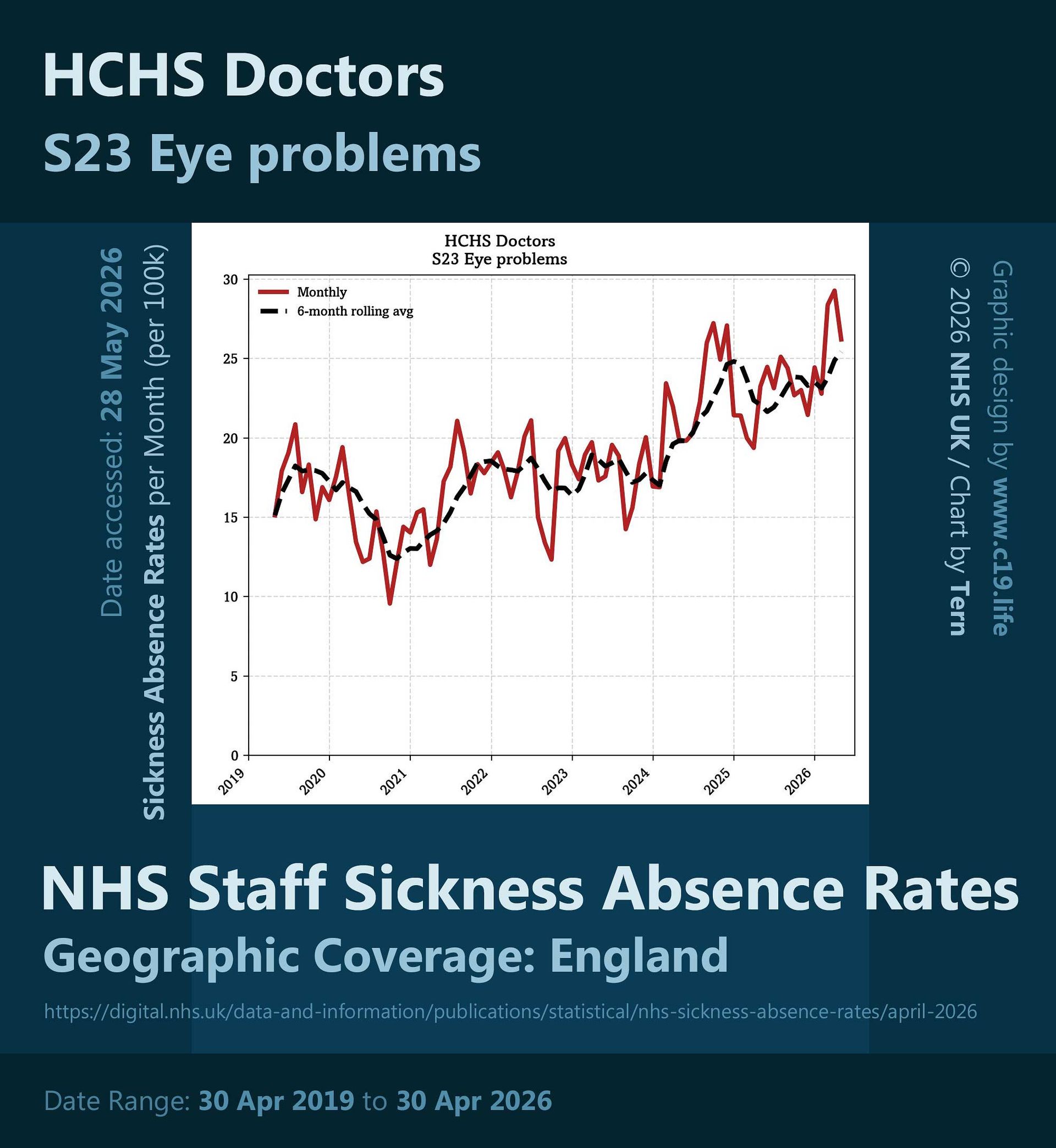
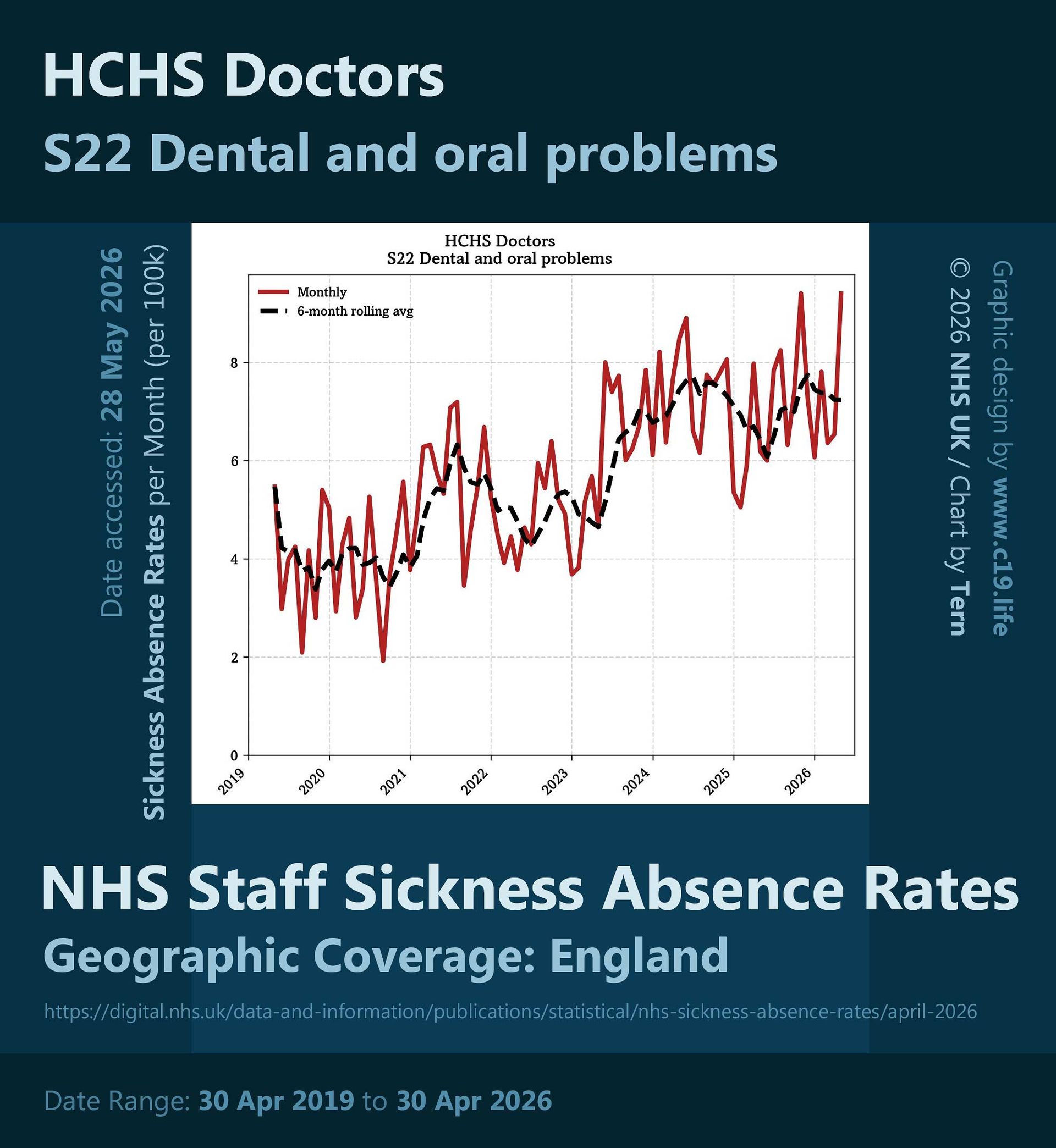
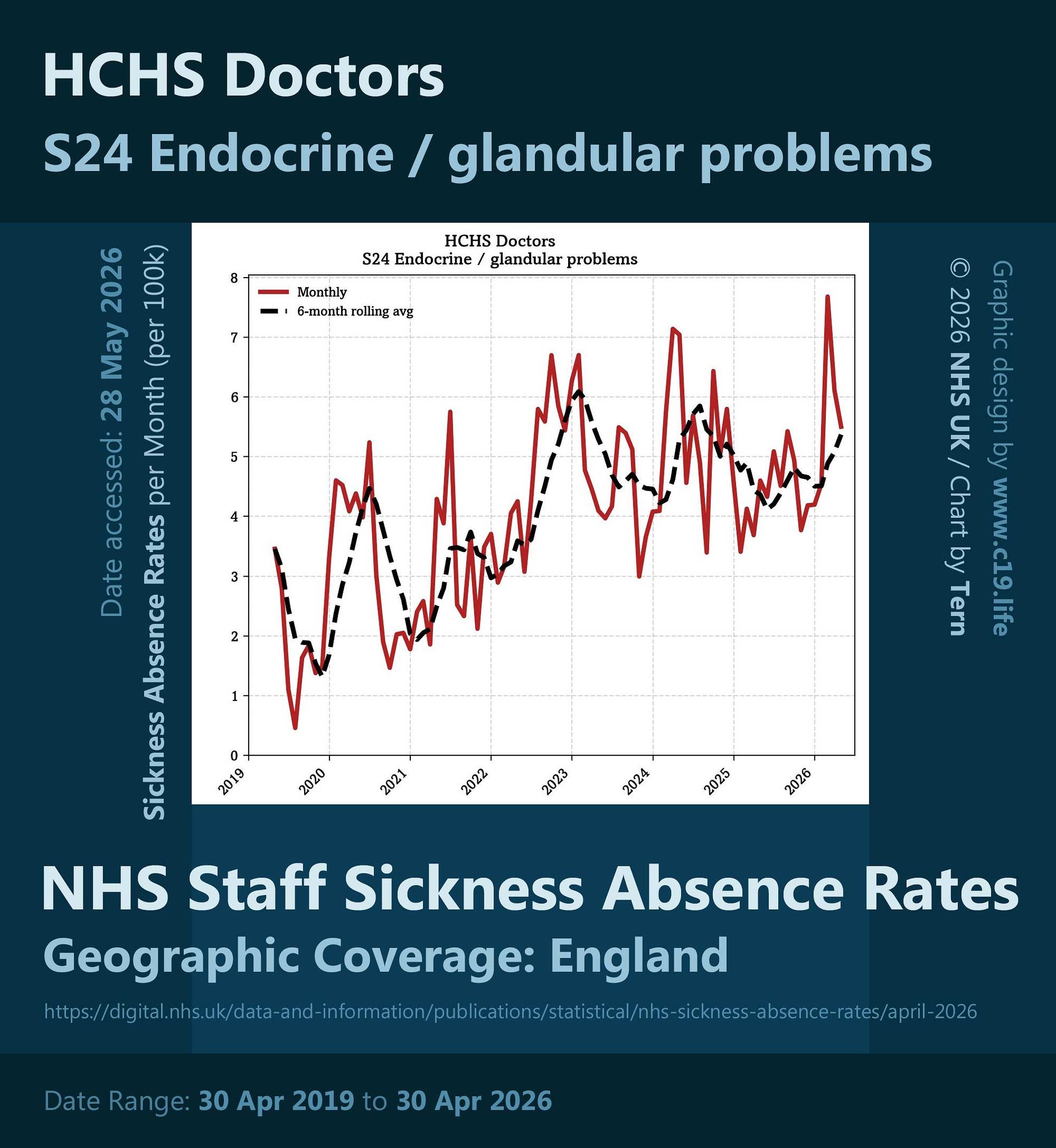
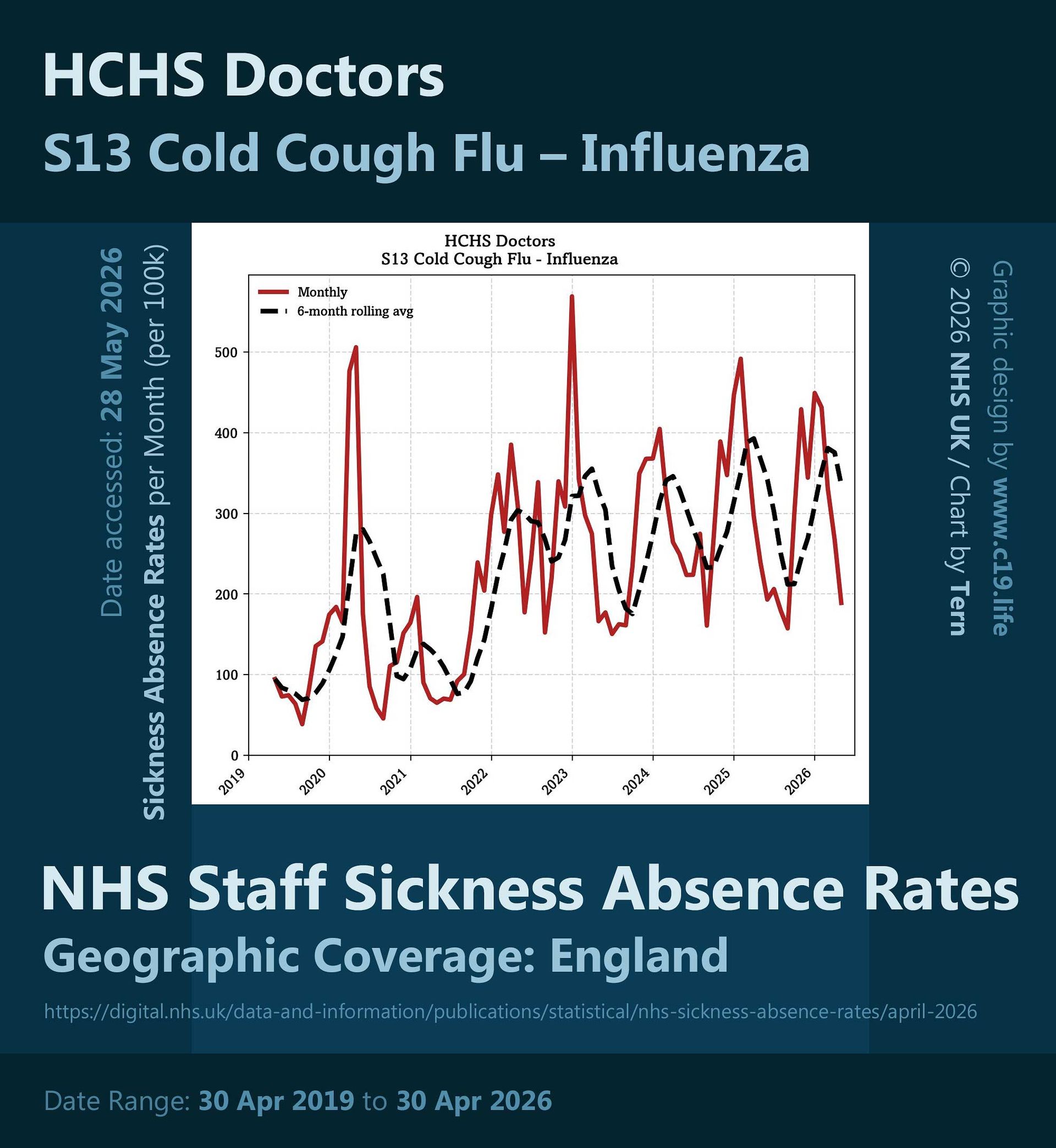
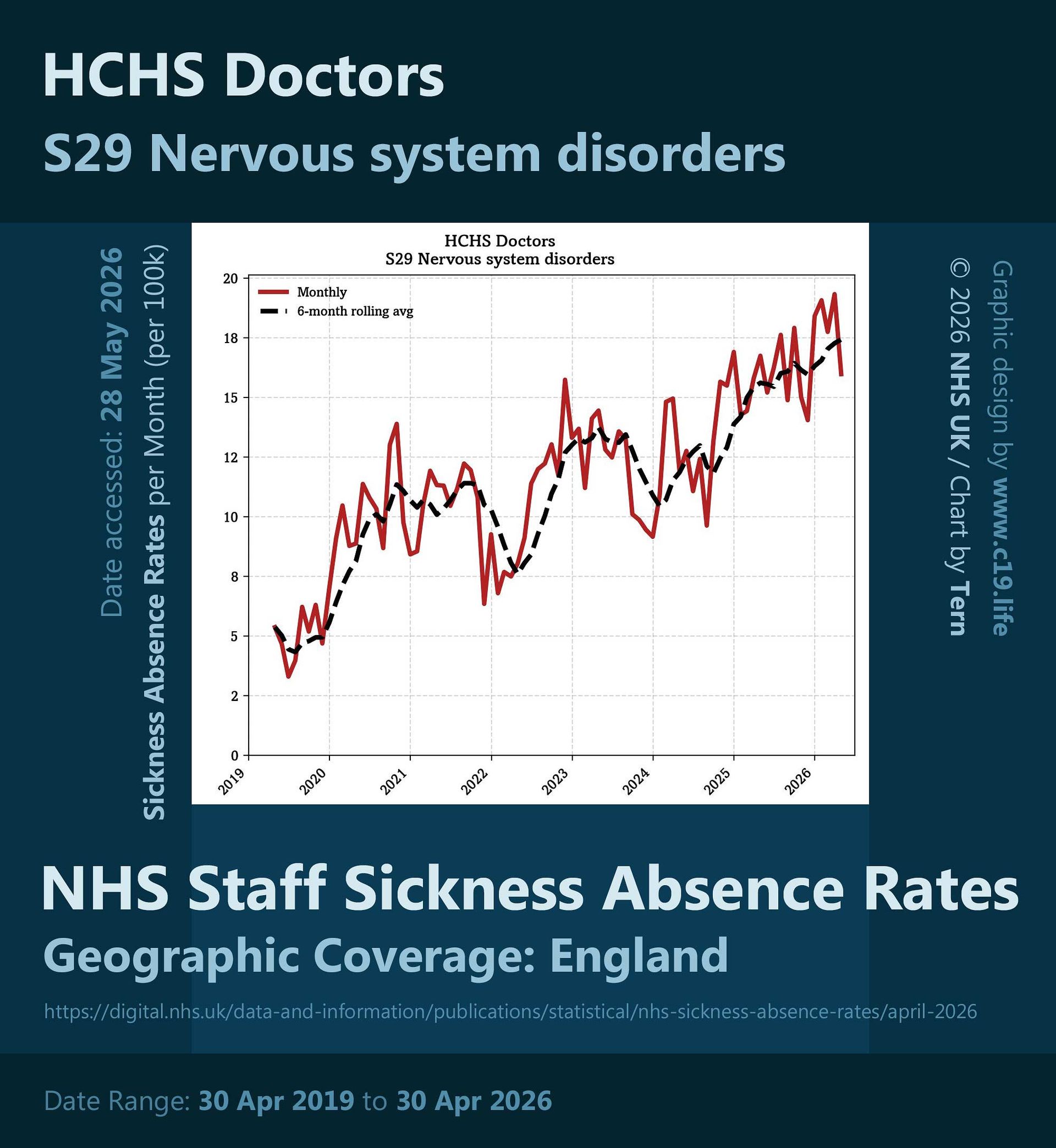
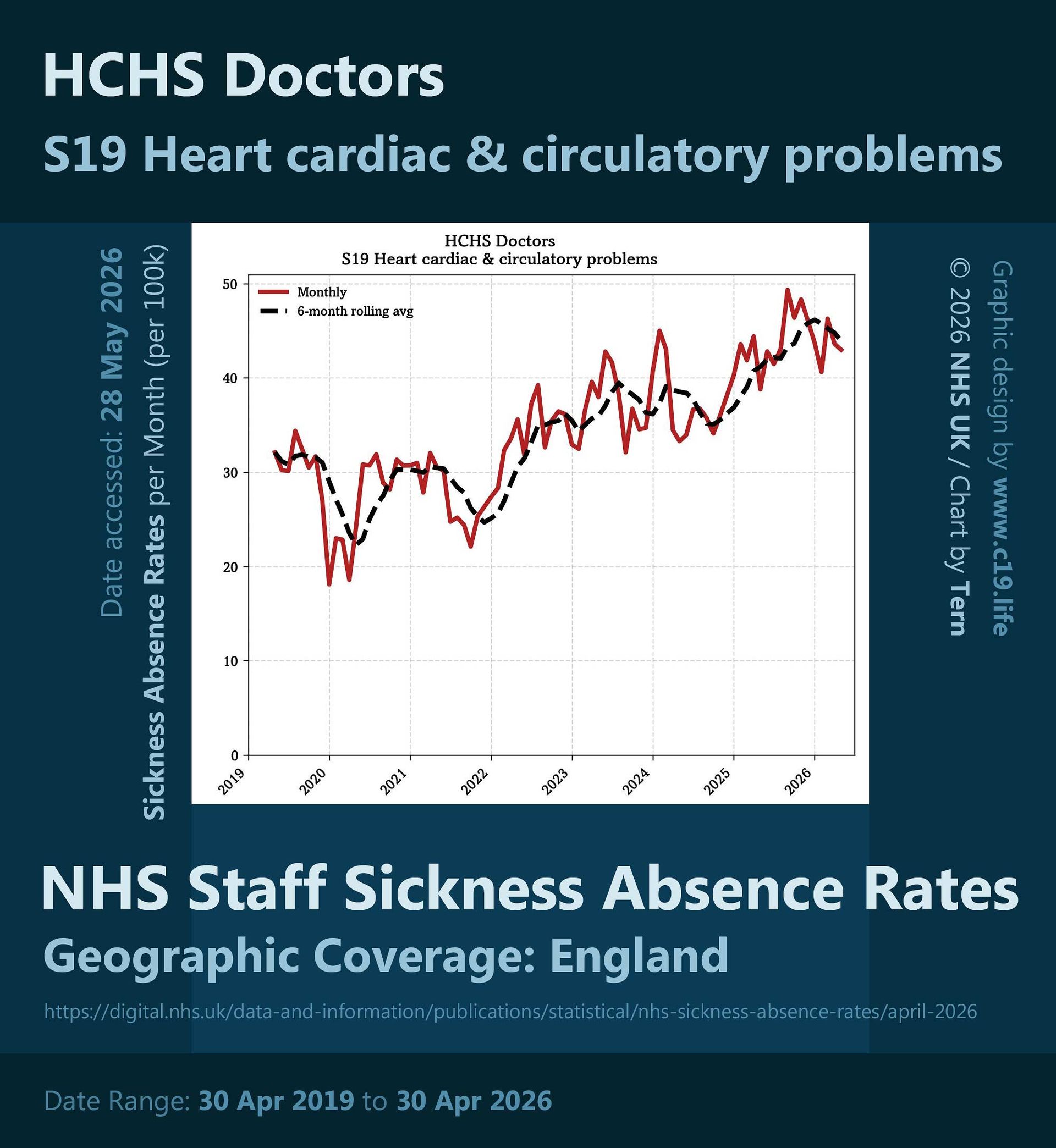
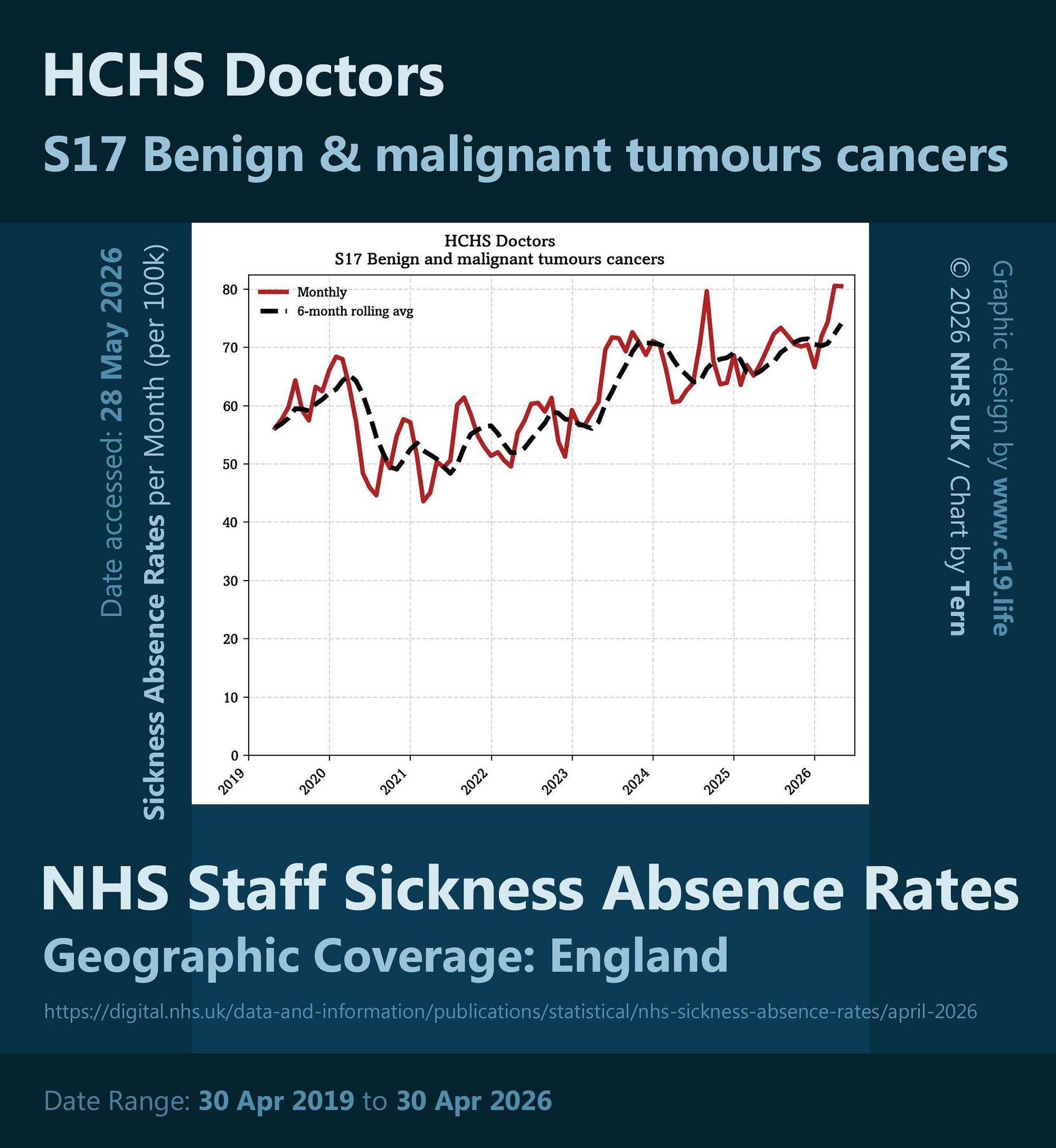
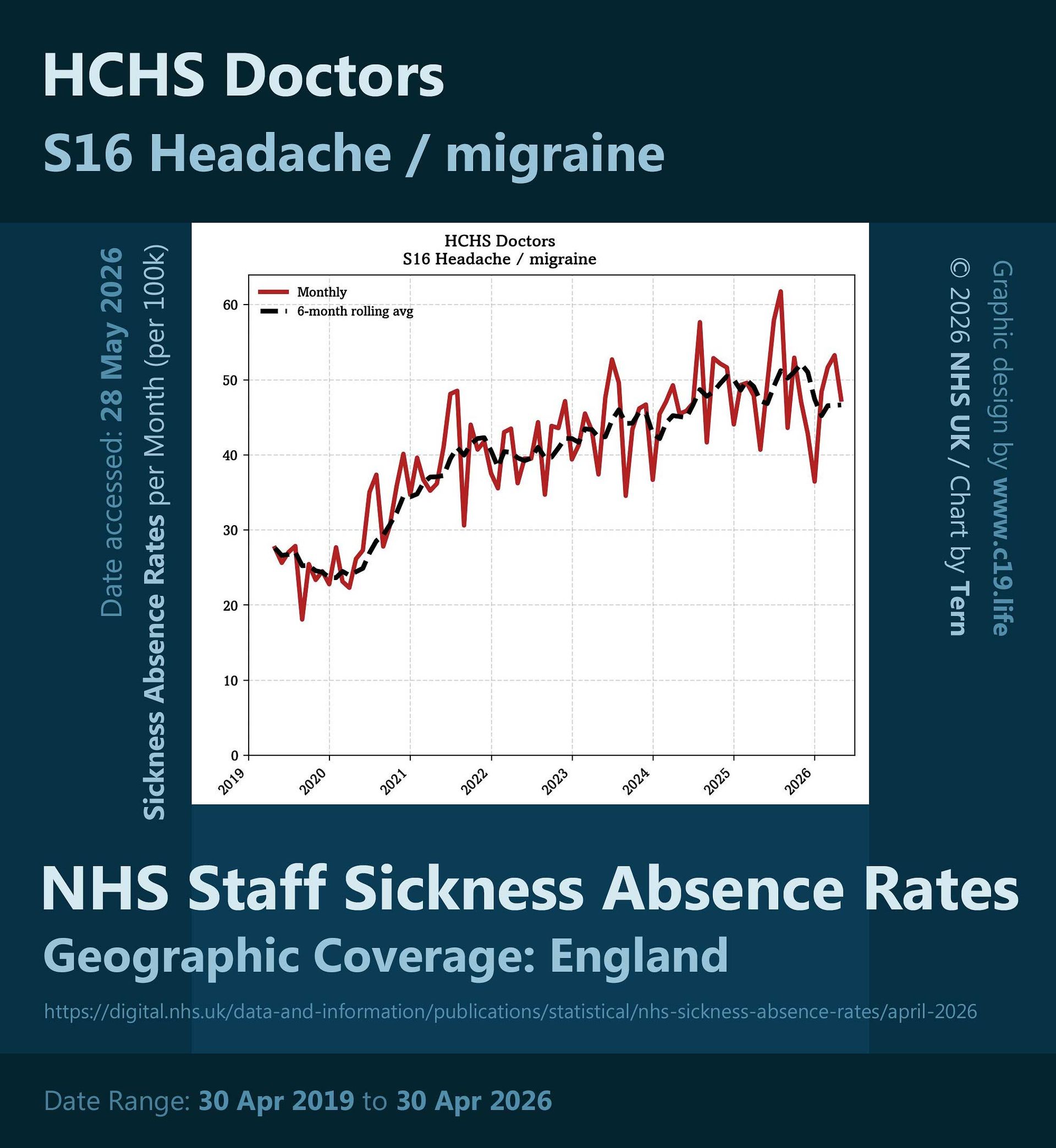
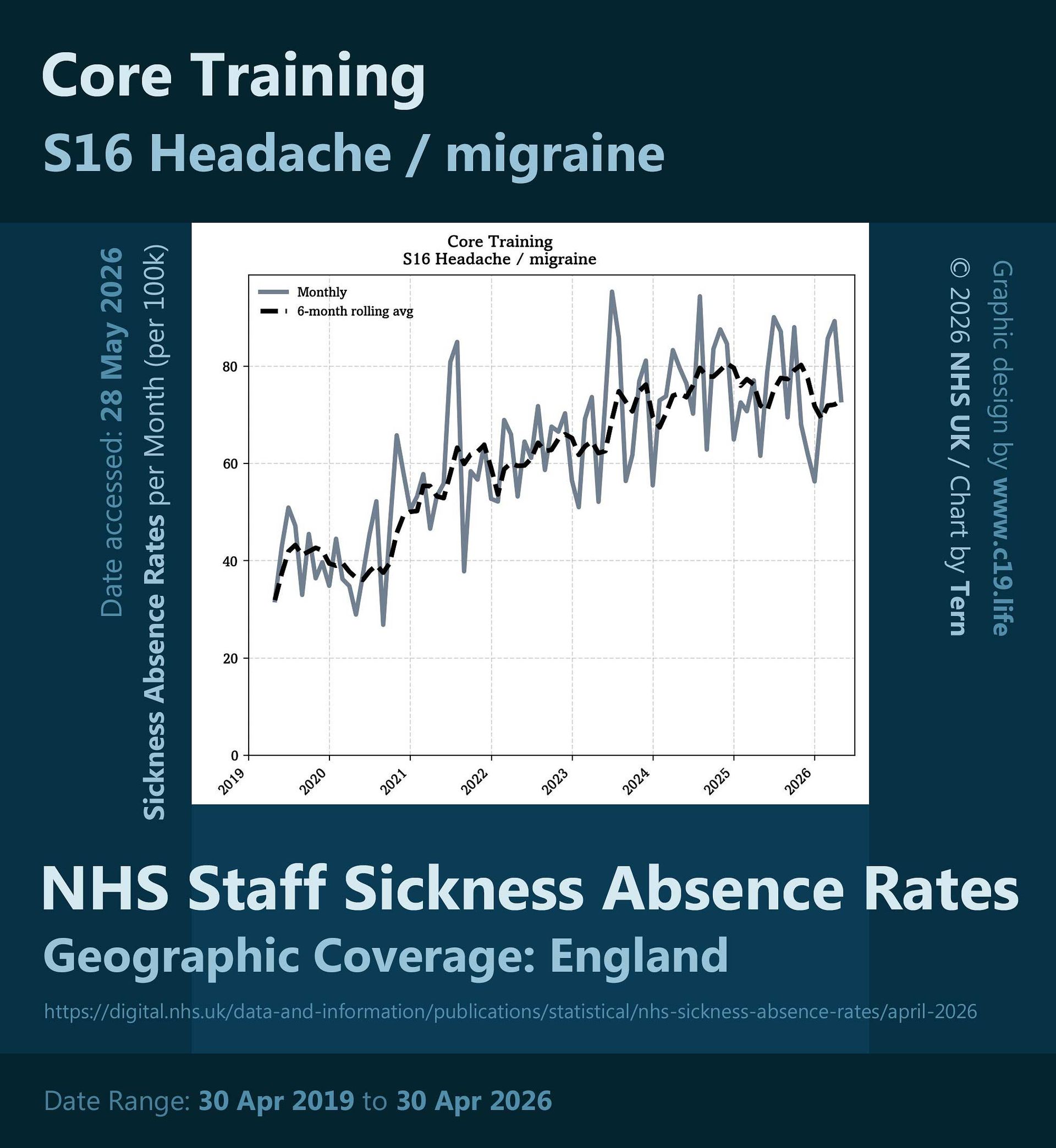
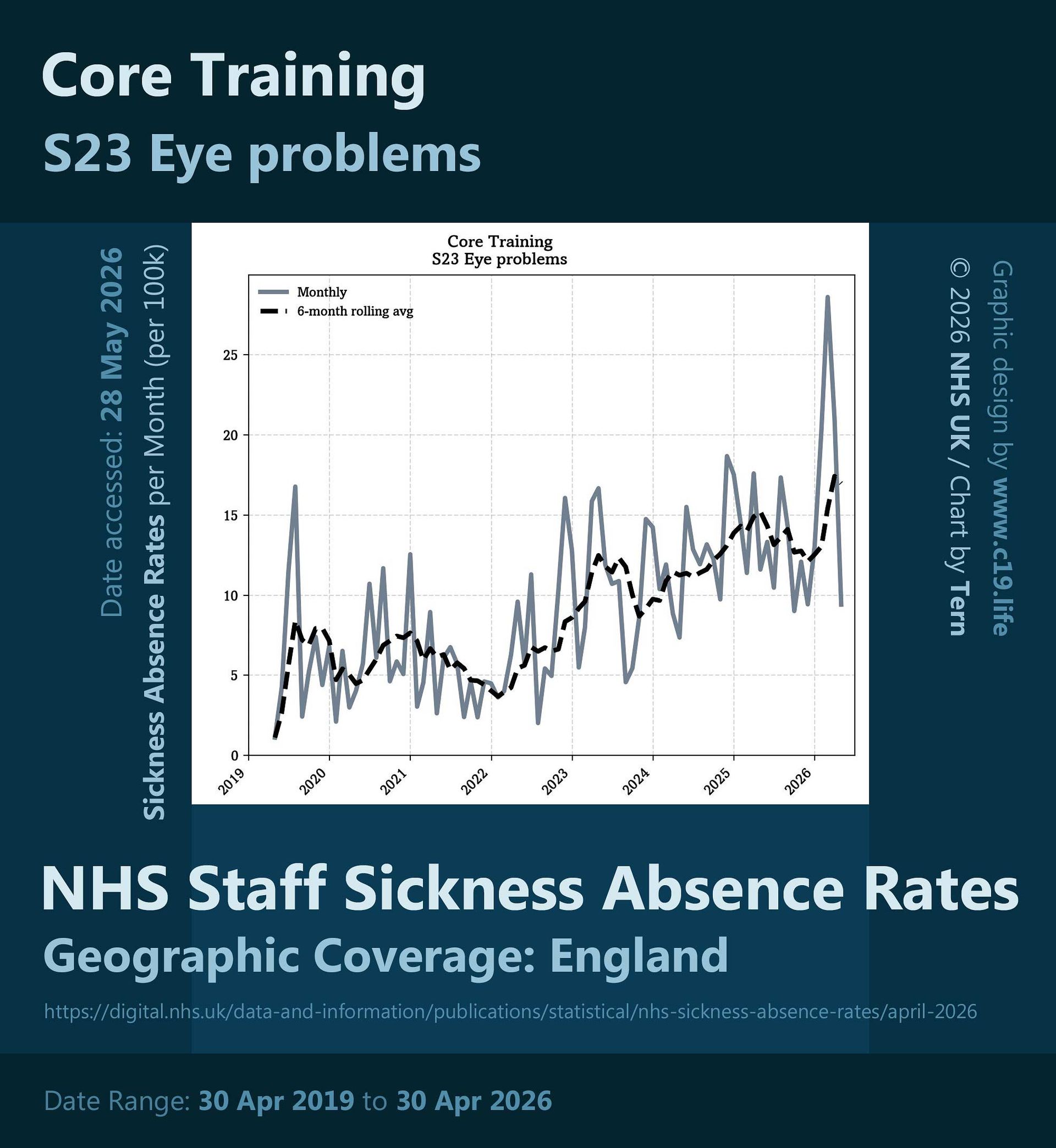
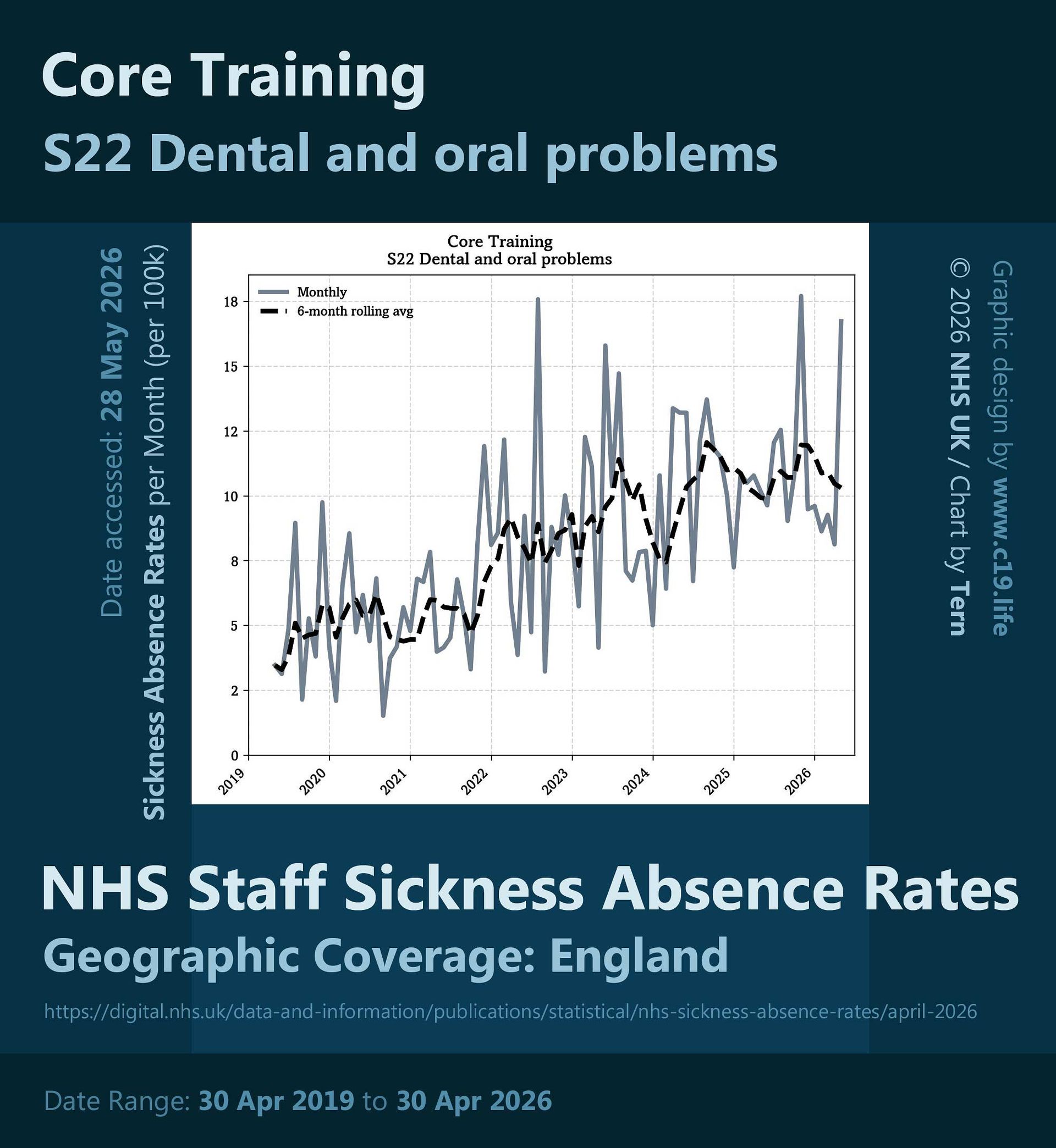
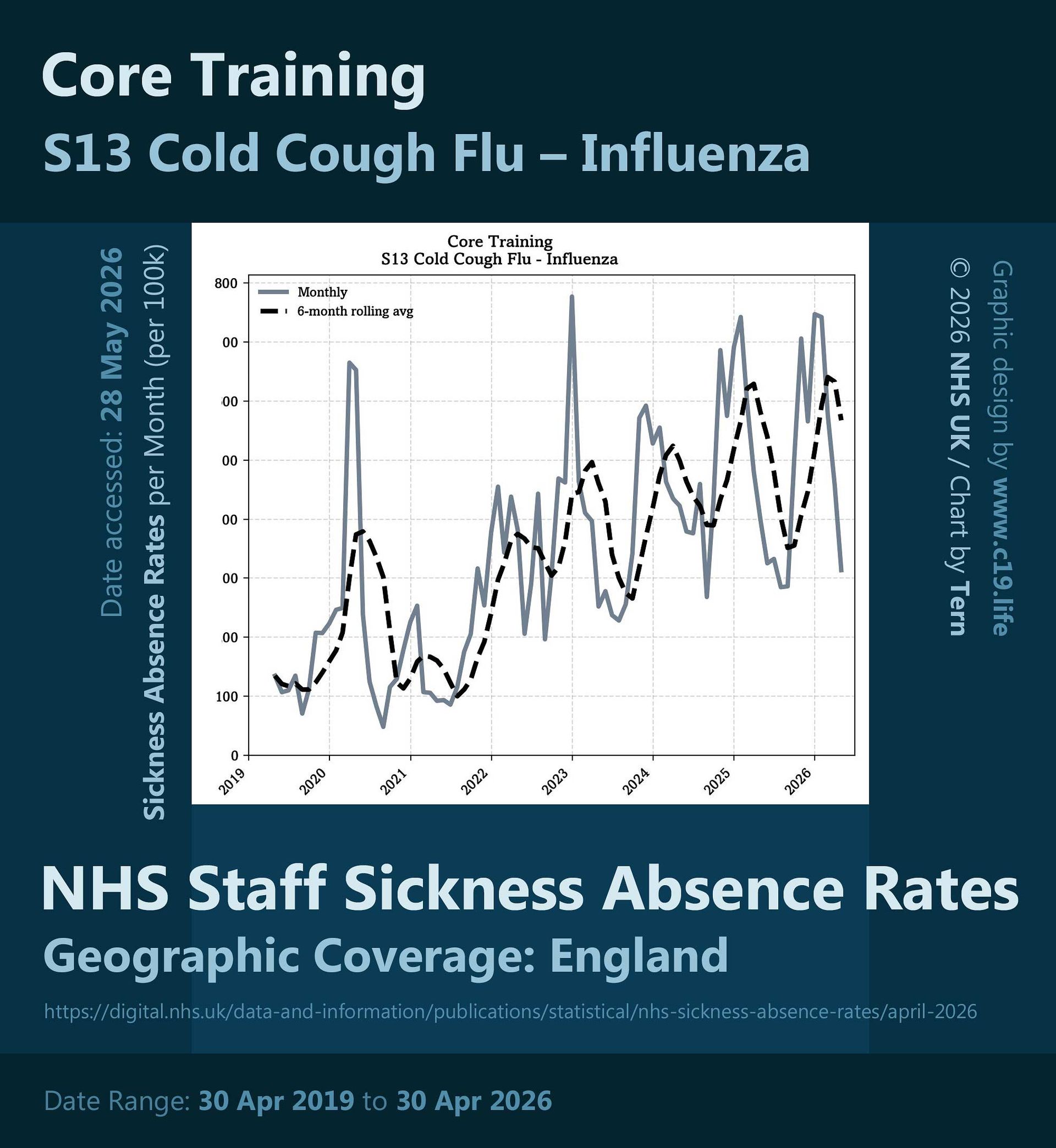
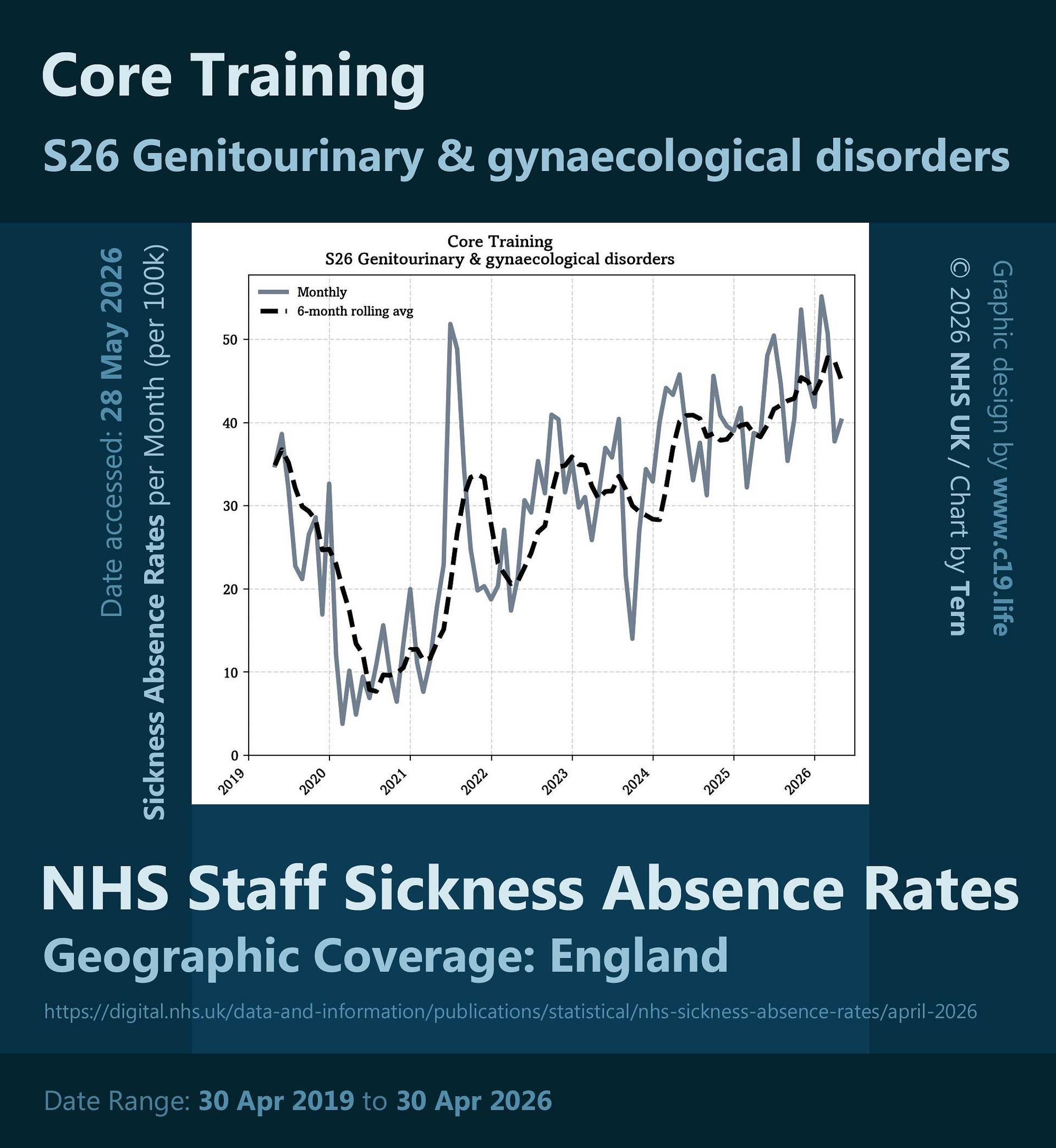
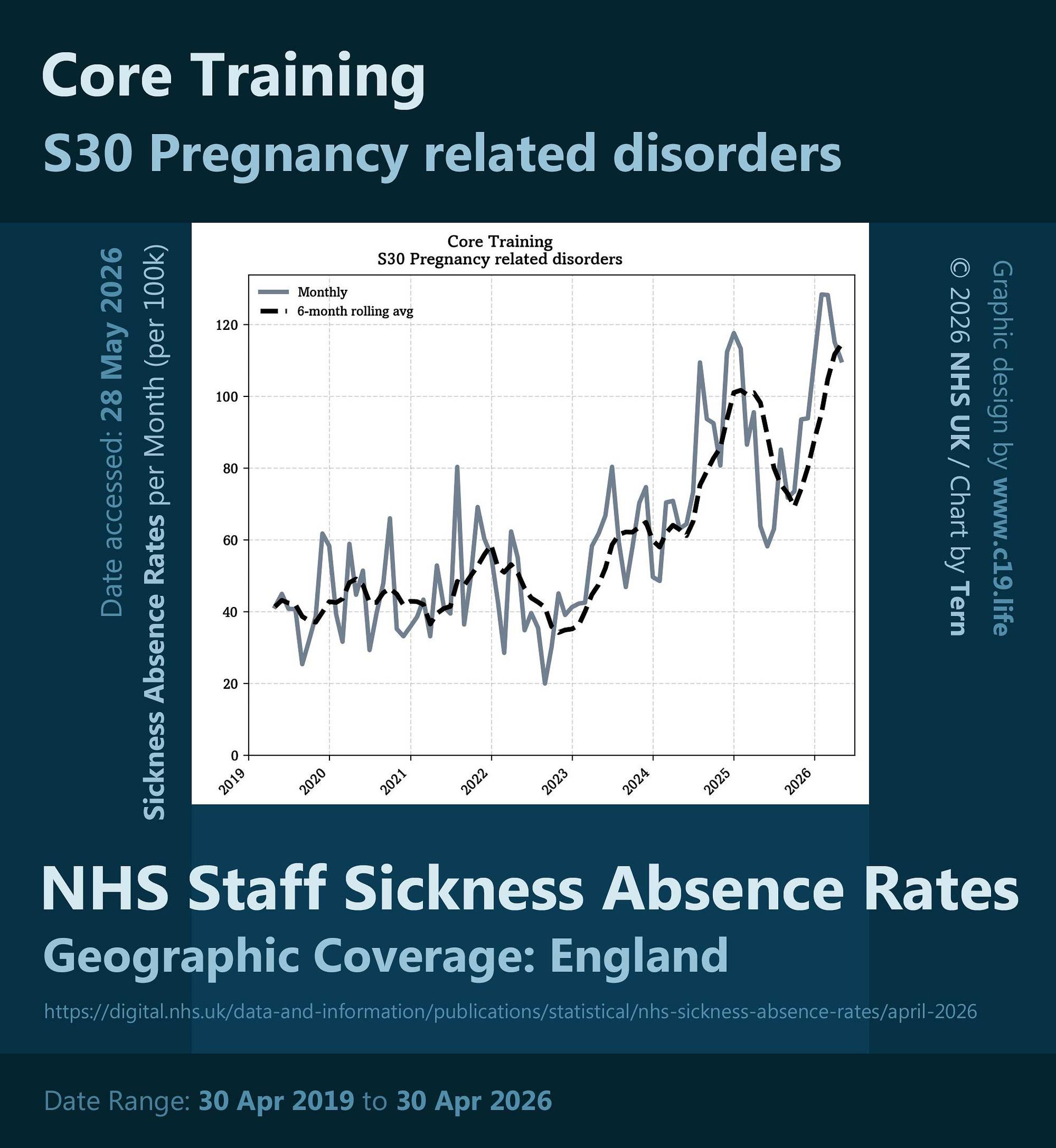
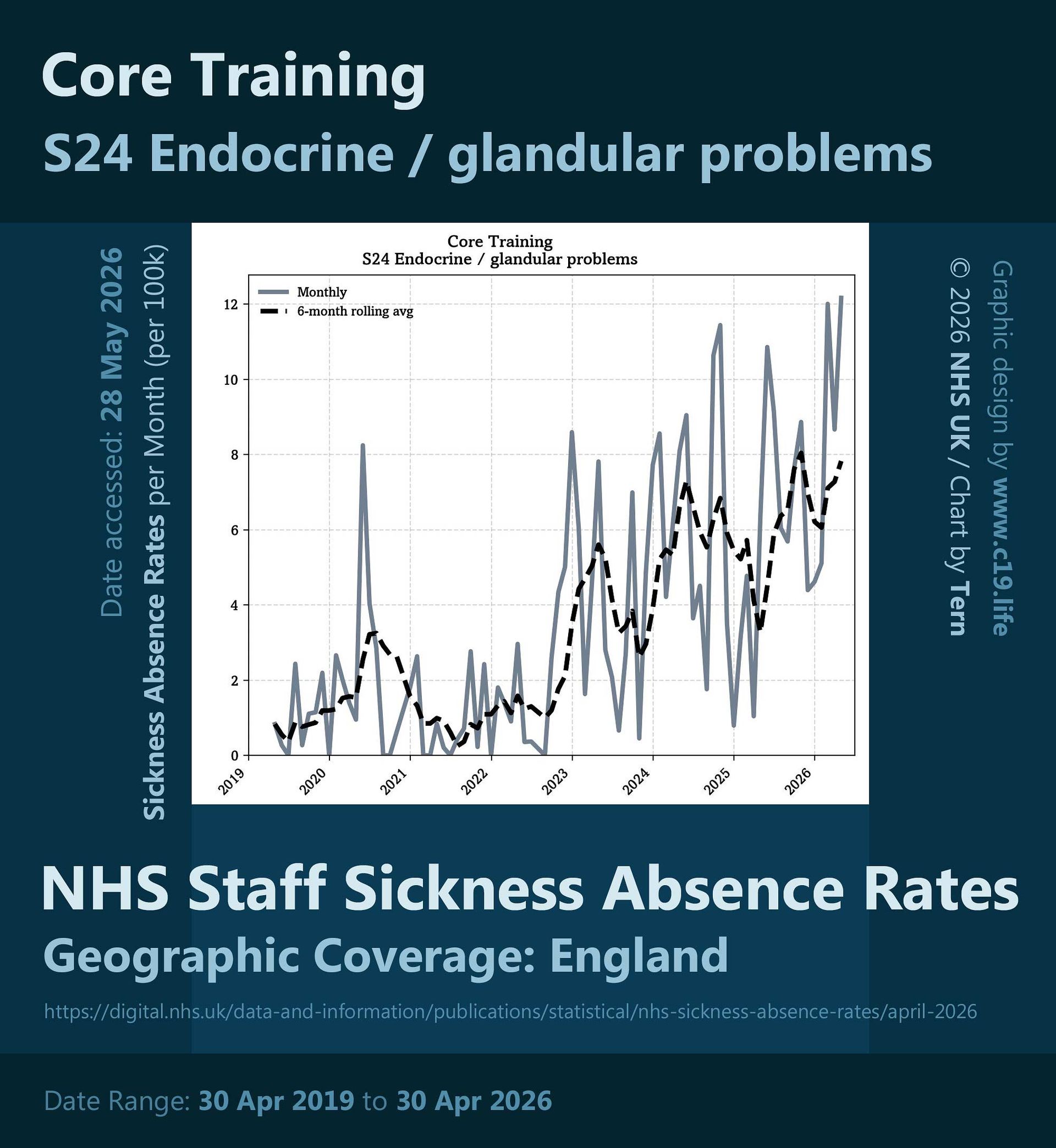
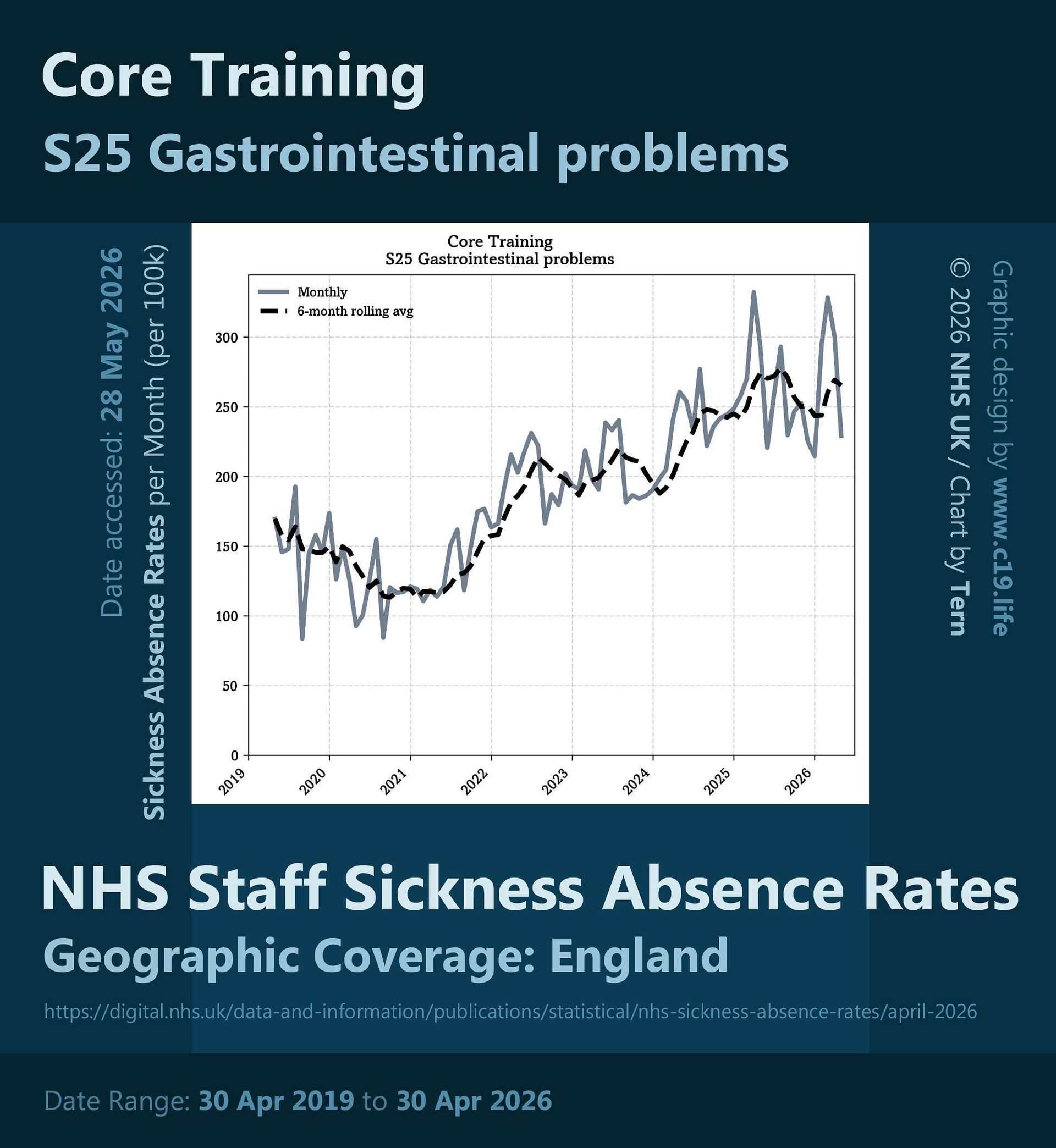
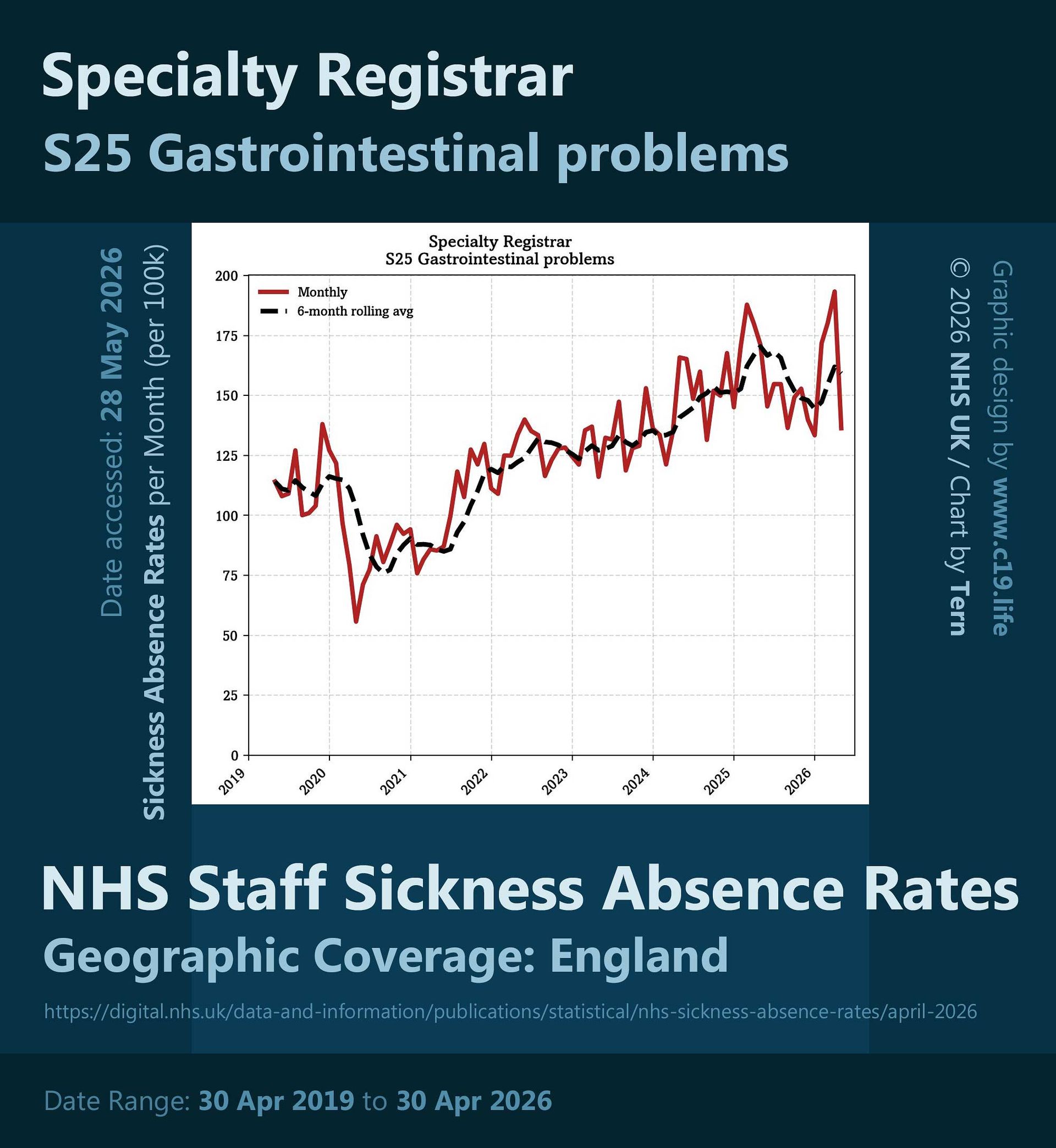
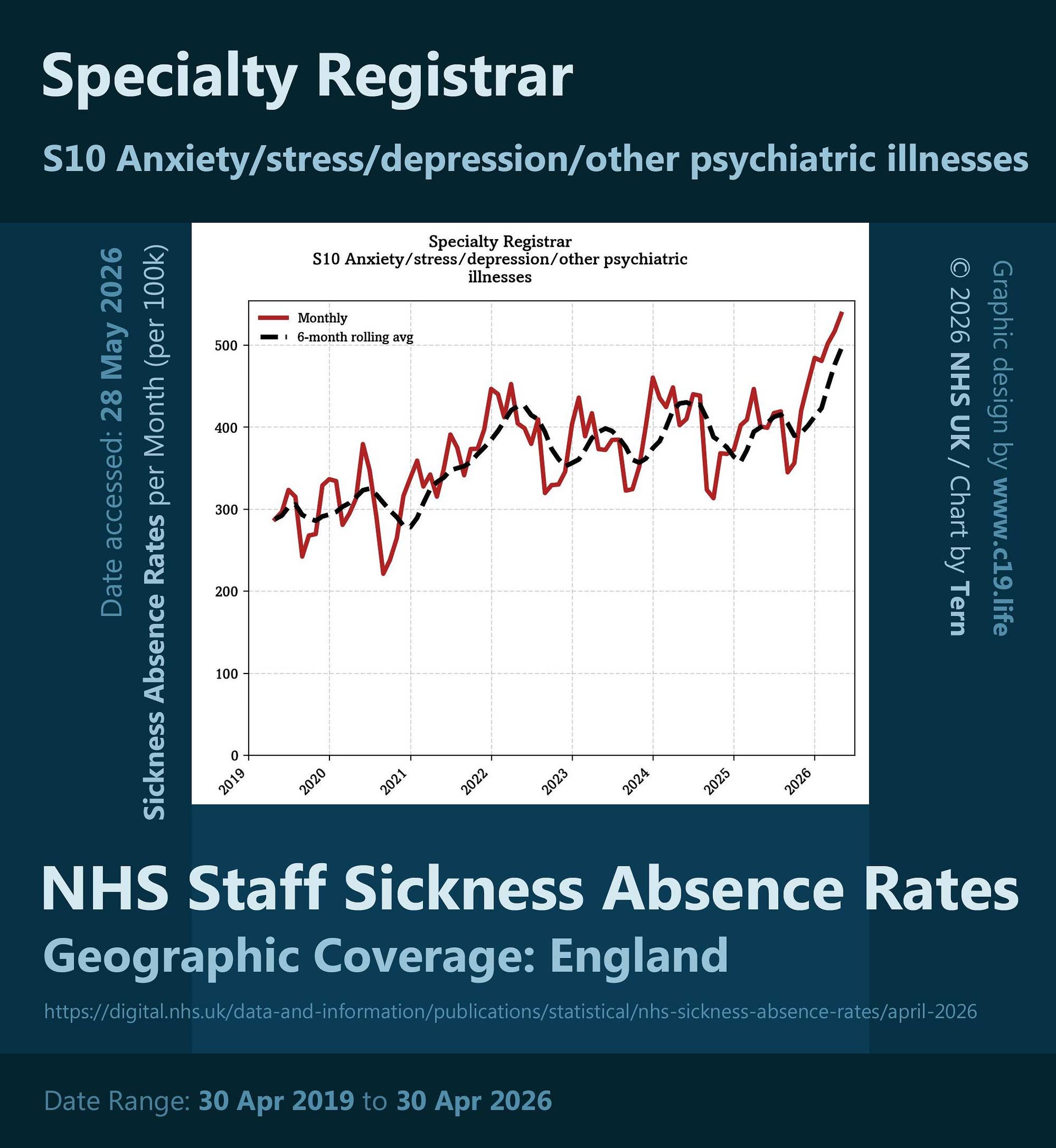
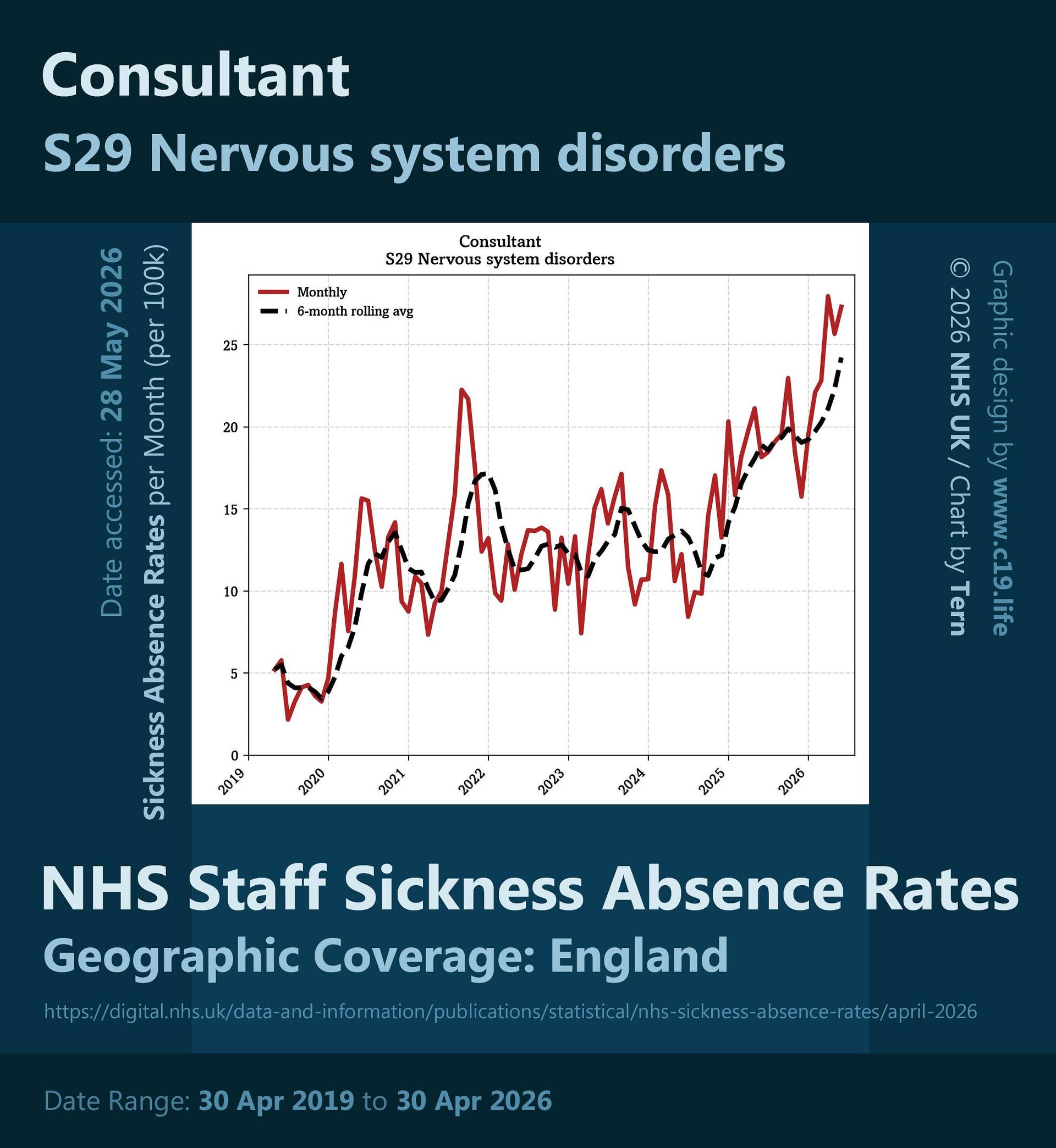
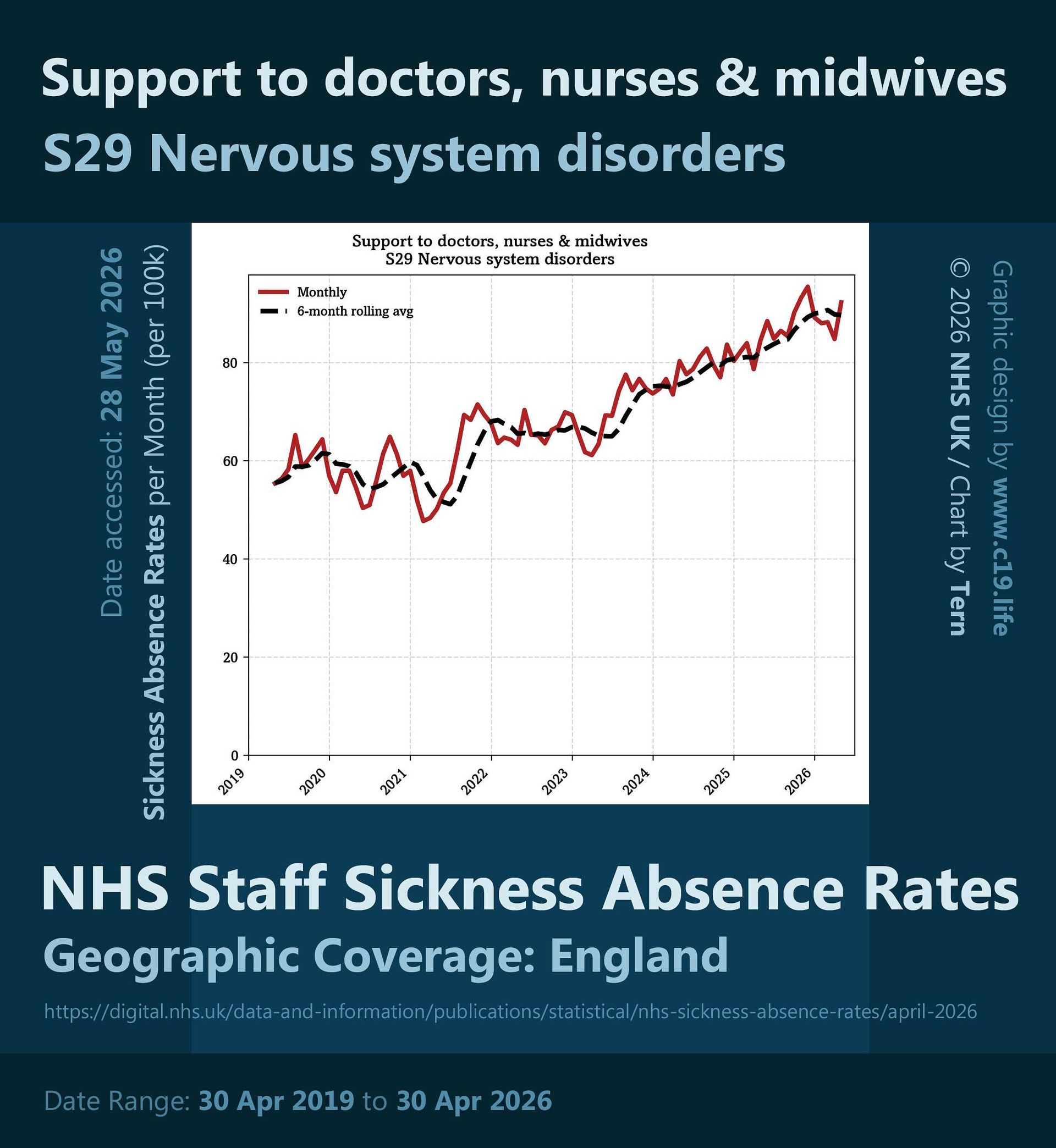
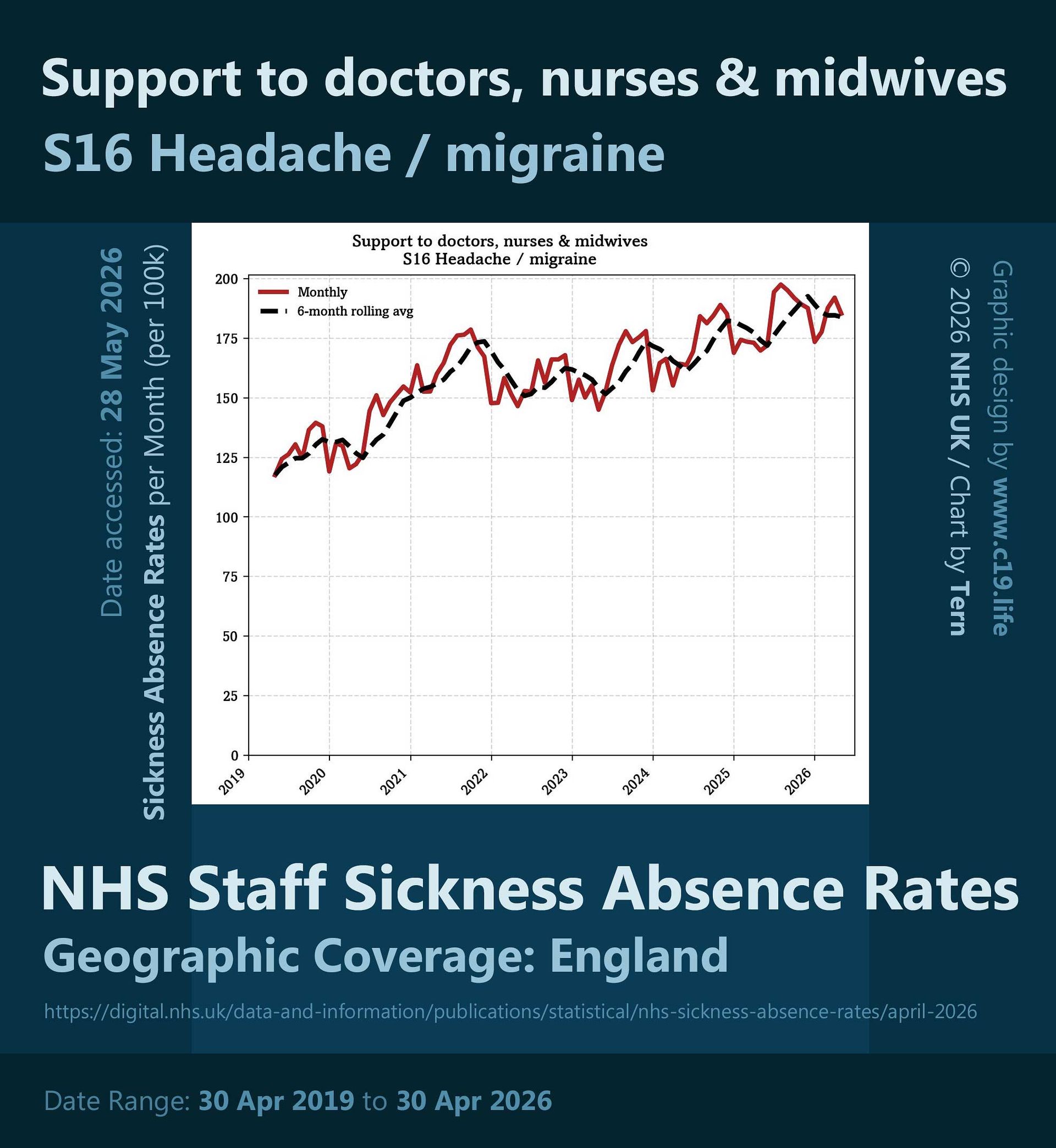
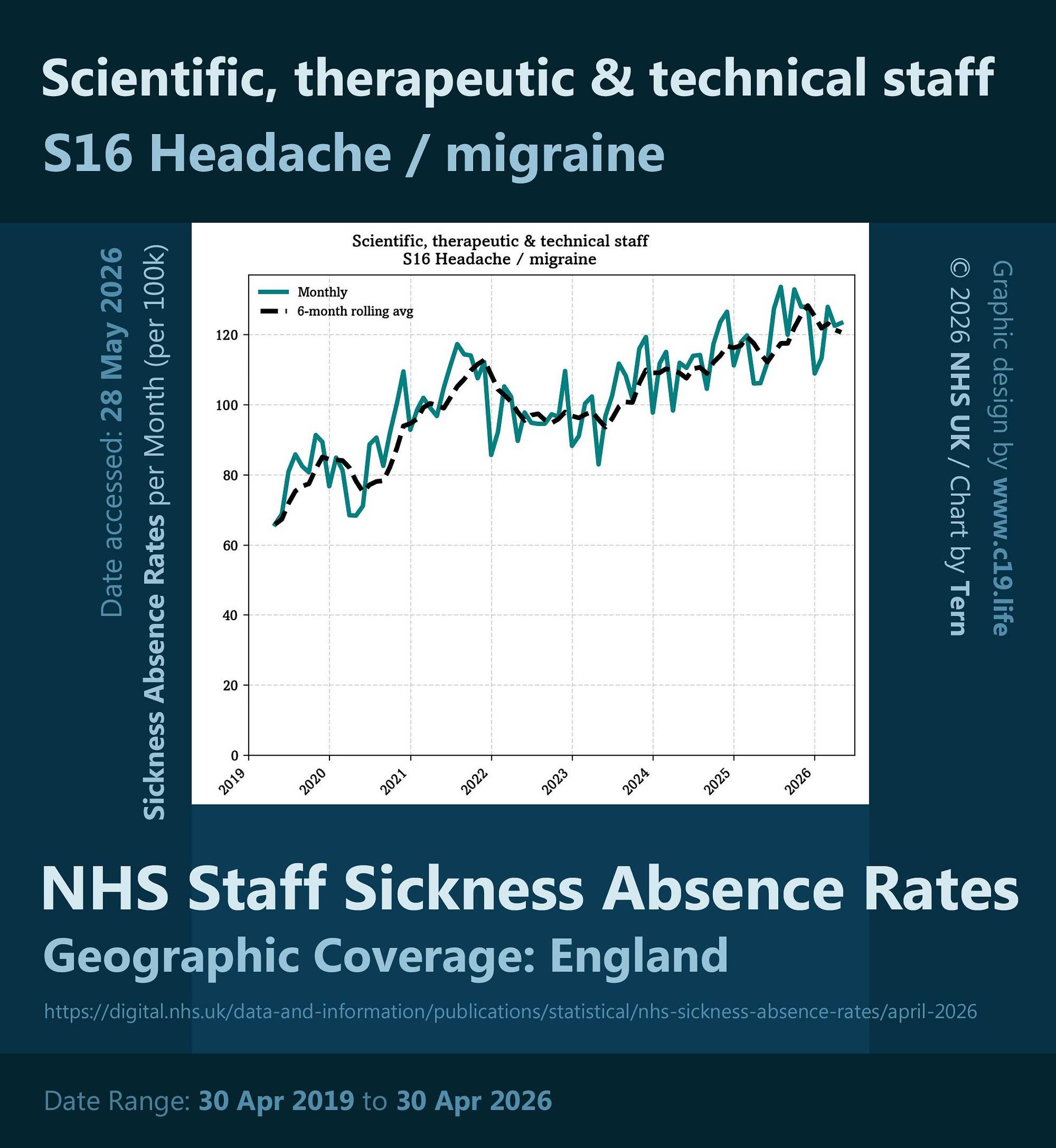
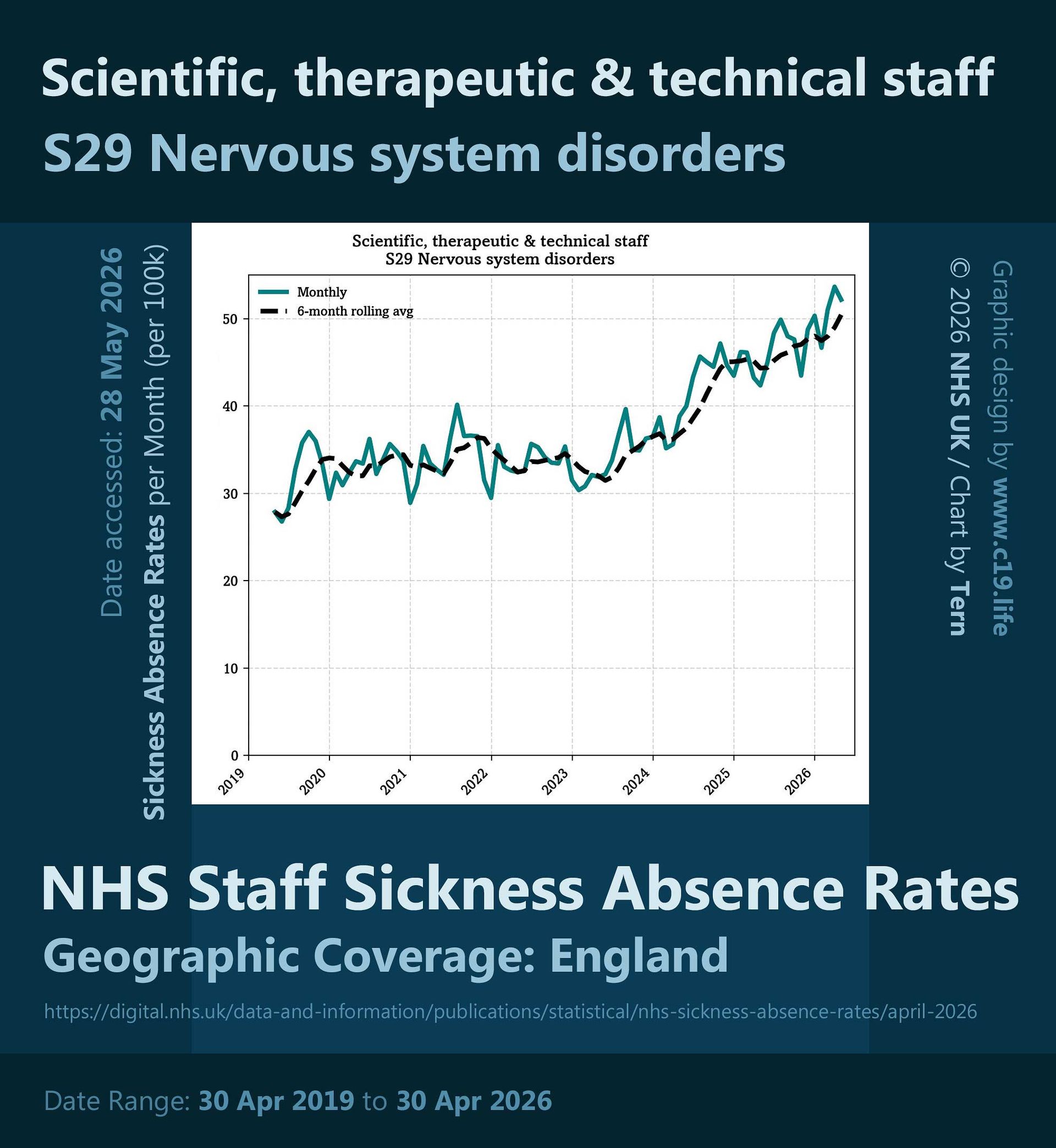
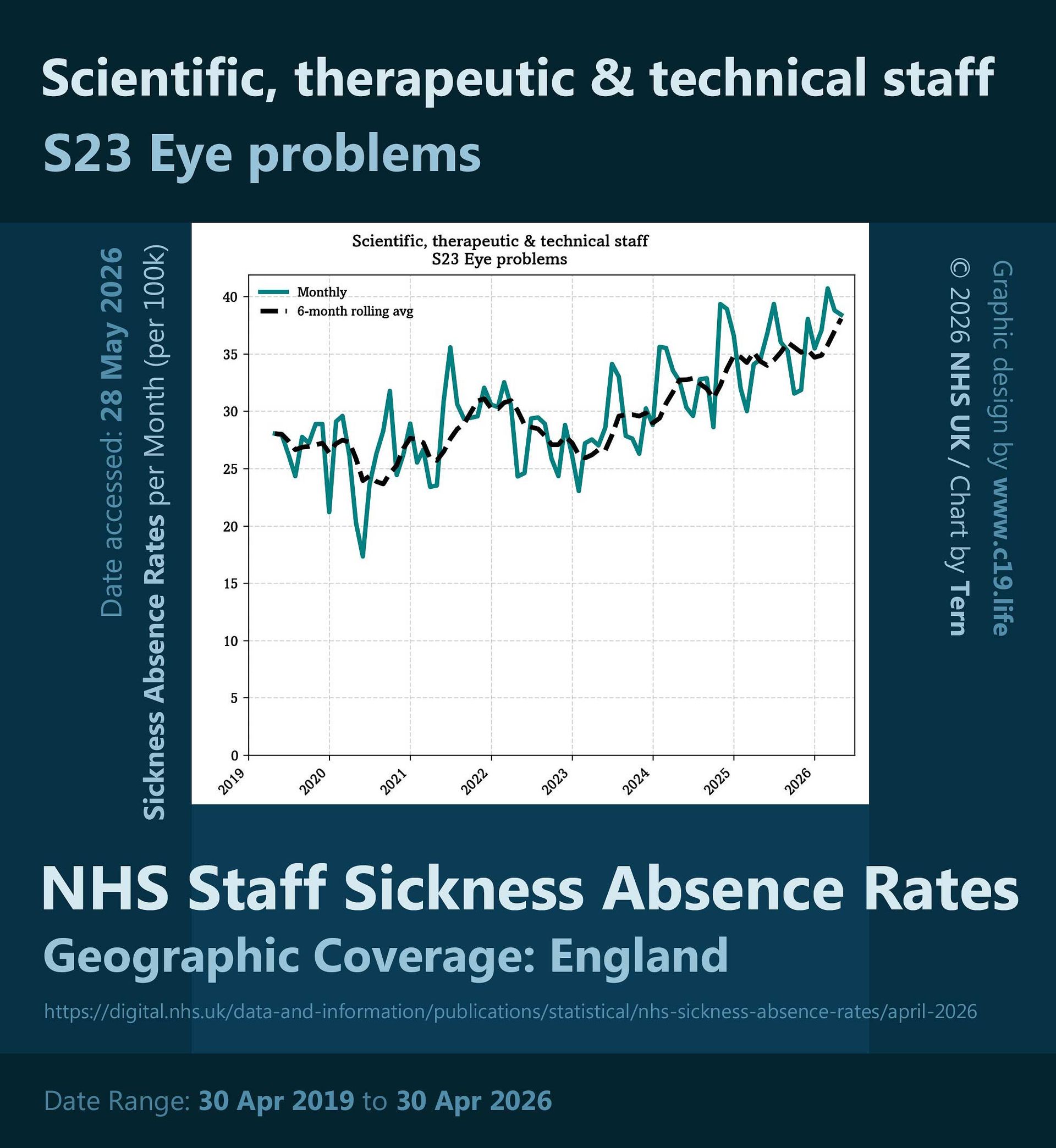
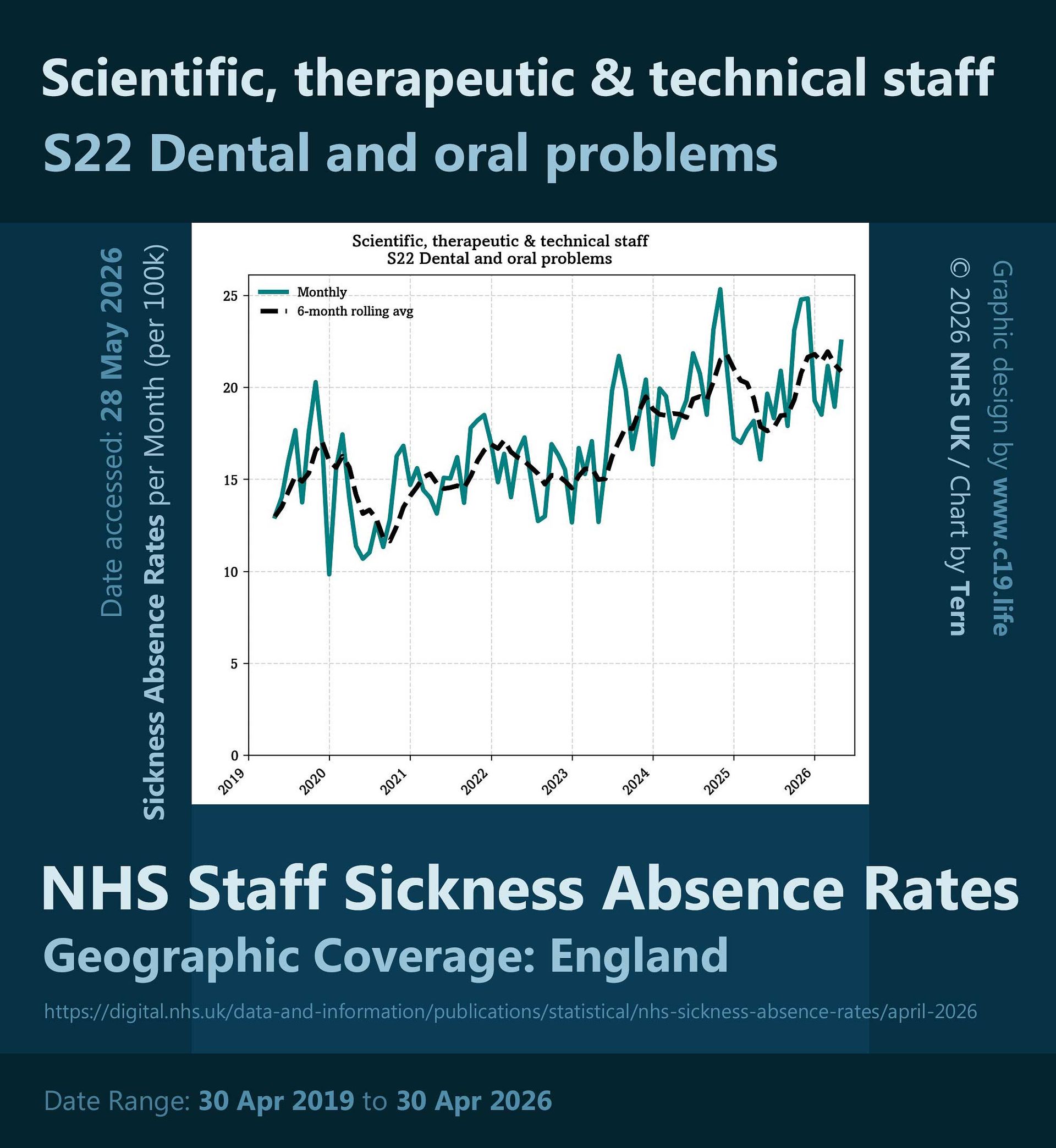
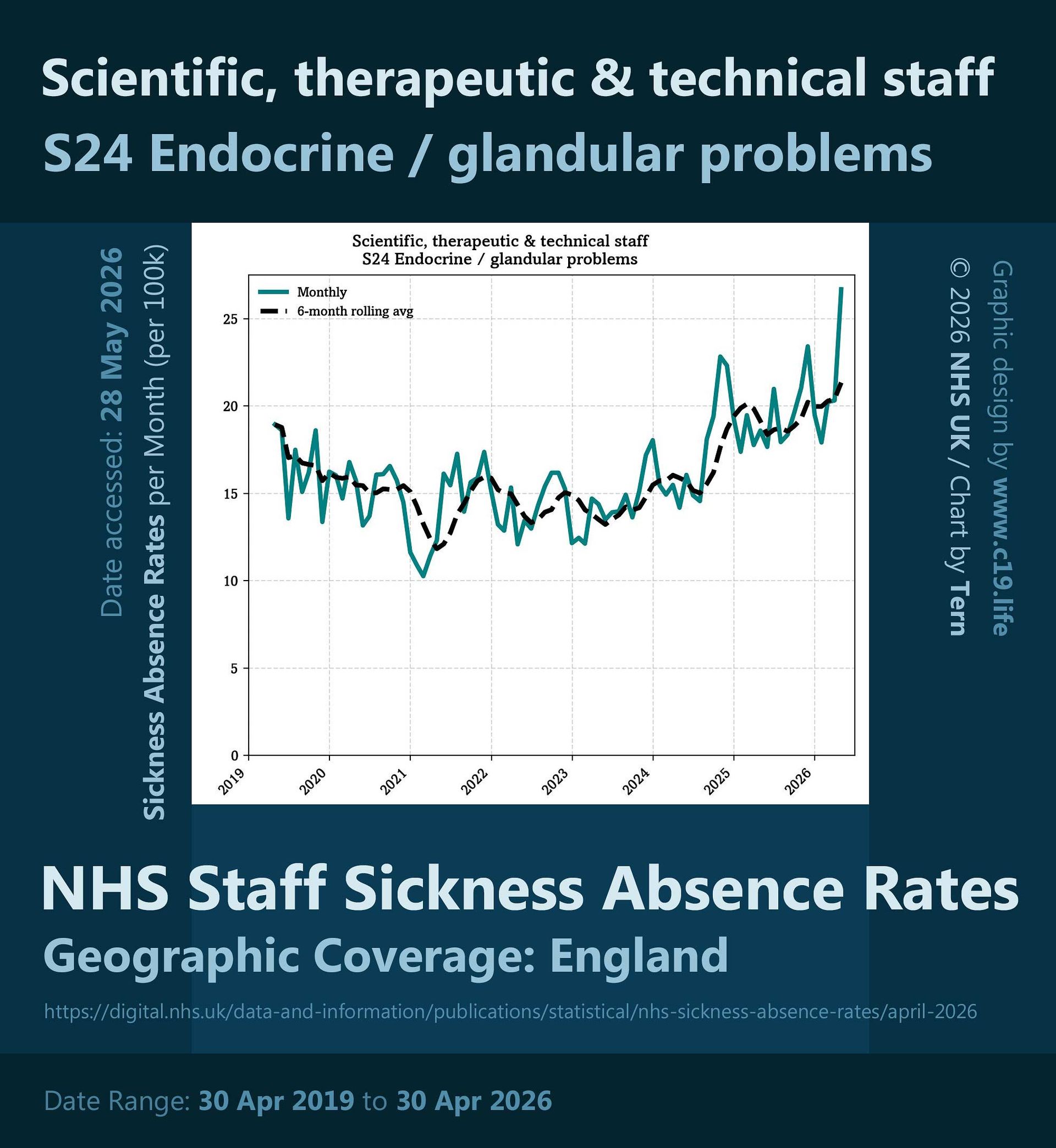
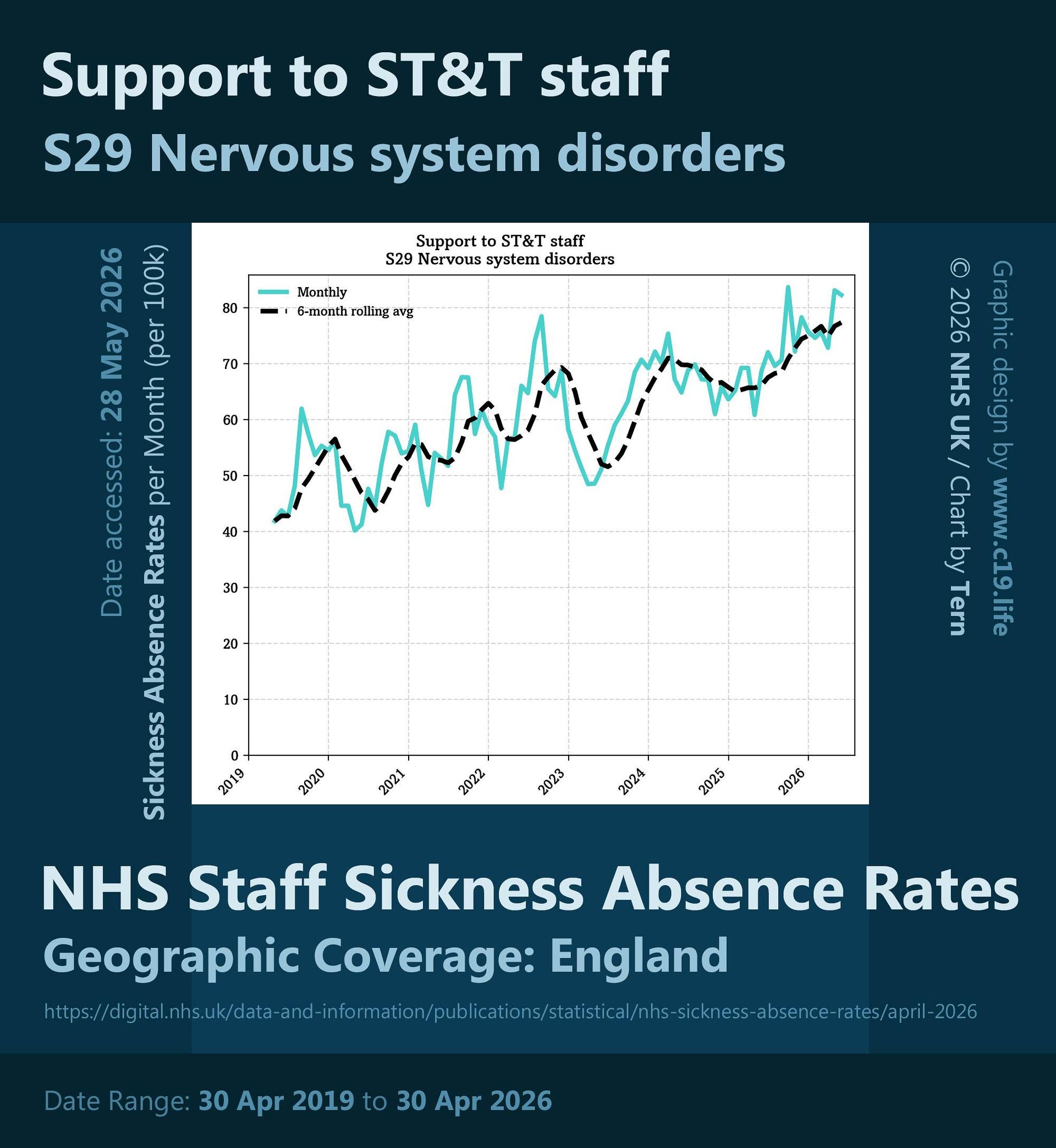
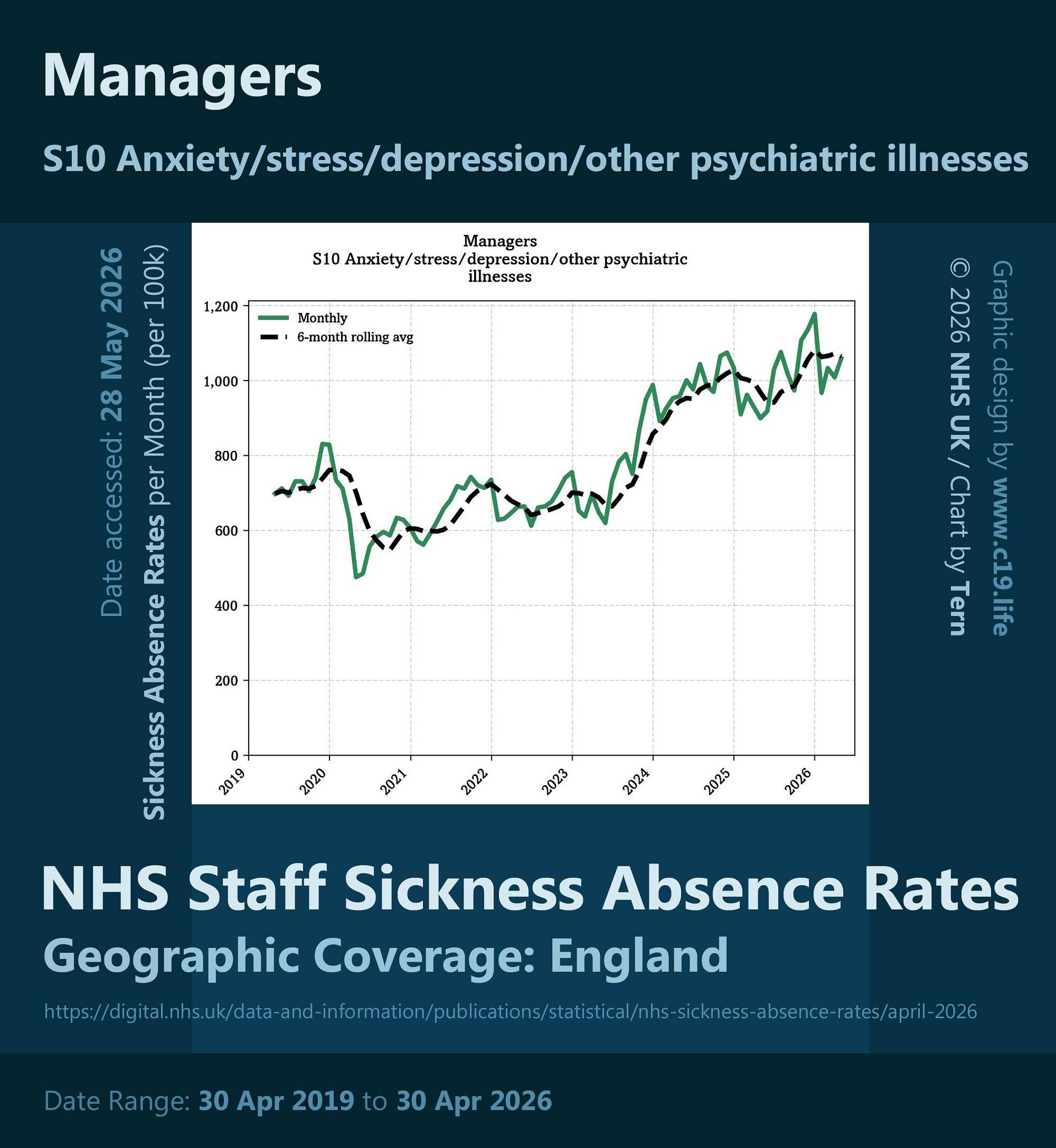
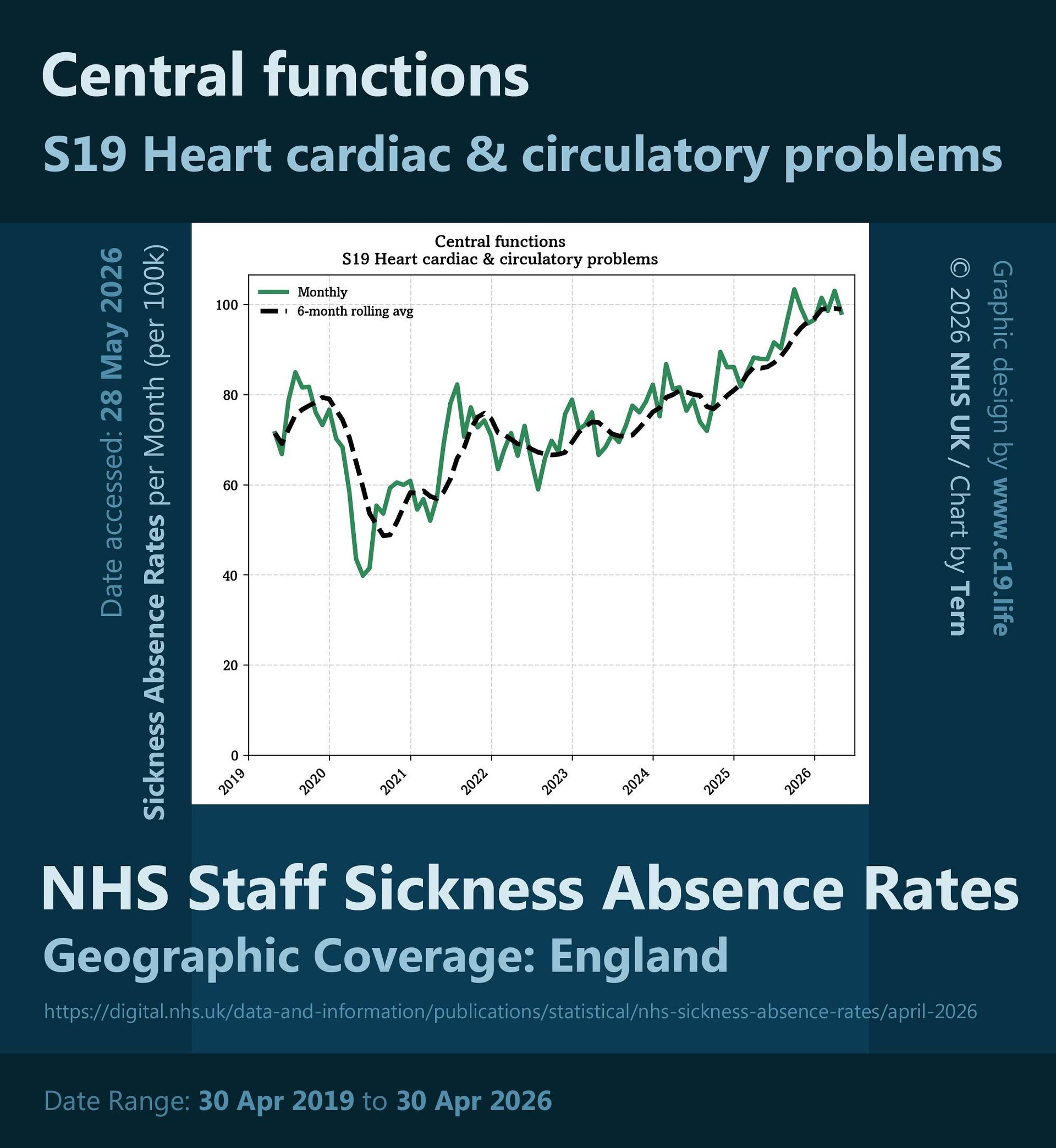
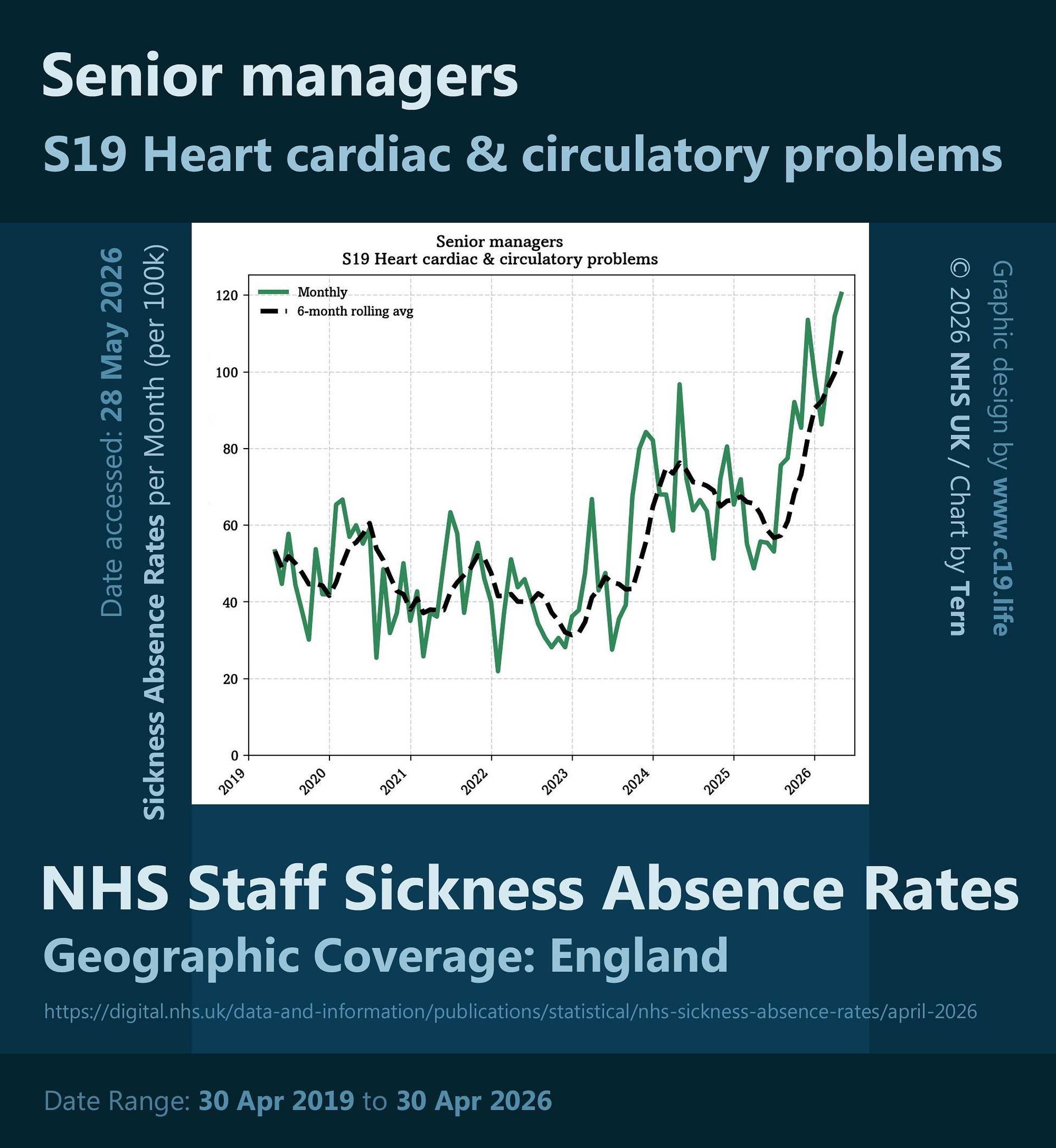
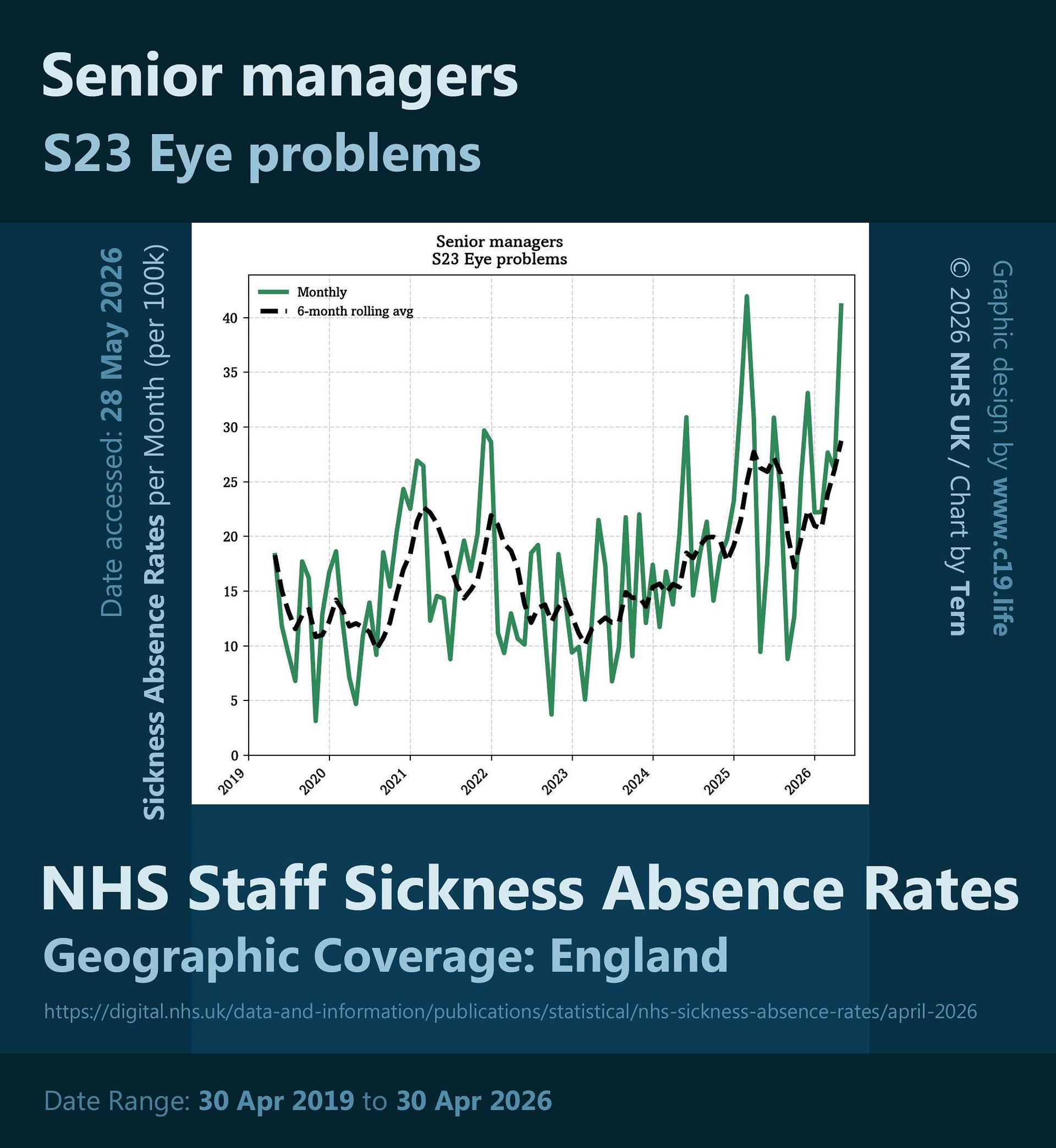
NHS Staff Sickness Absence Rates (England) 2019–2026: On flat-earthing your way out of a viral conundrum

National Health Service (NHS) UK / Tern / C19.Life • Accessed 28 May 2026 • 30 July 2026

— “What?! Binned by a cold?”


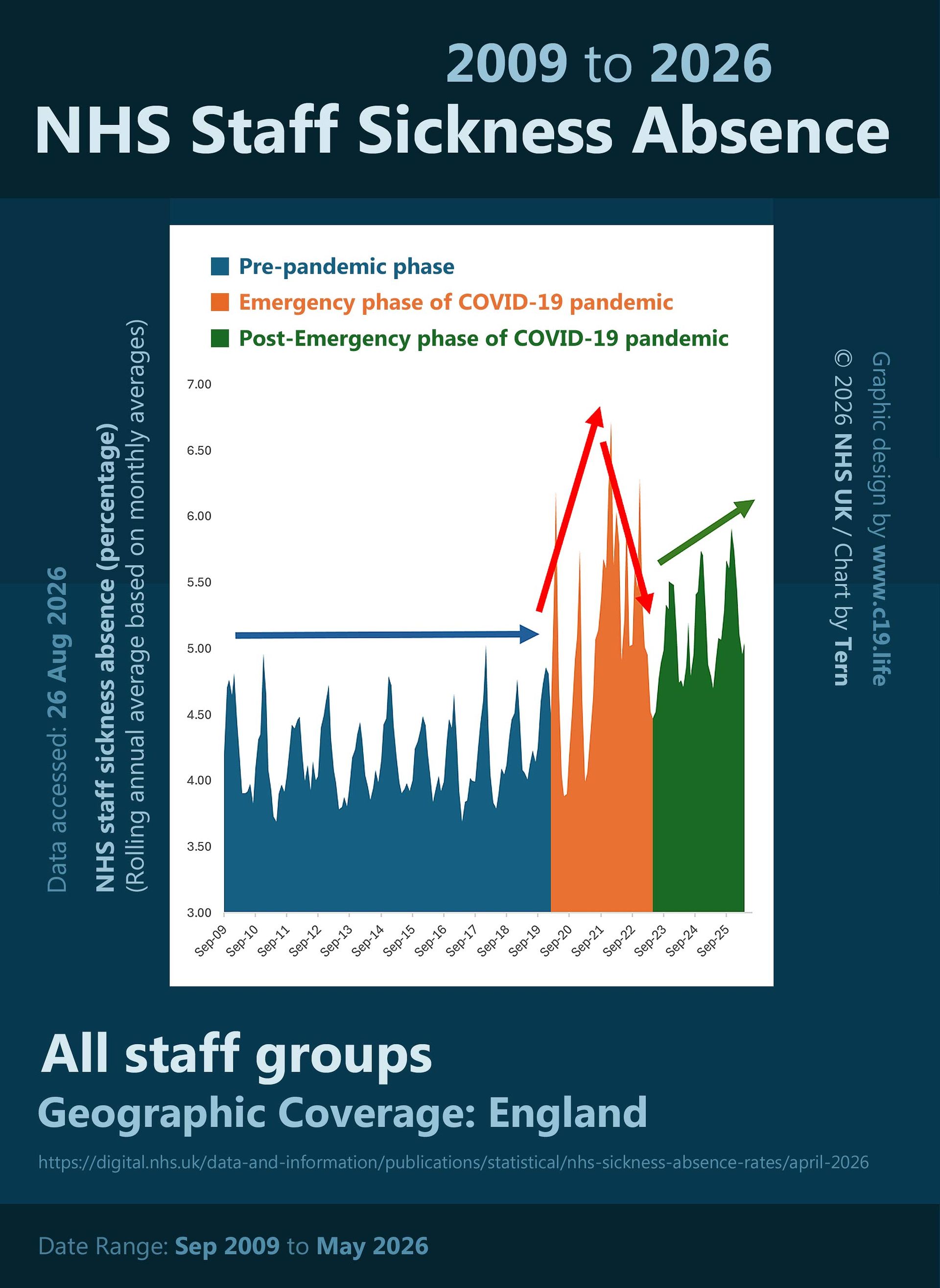
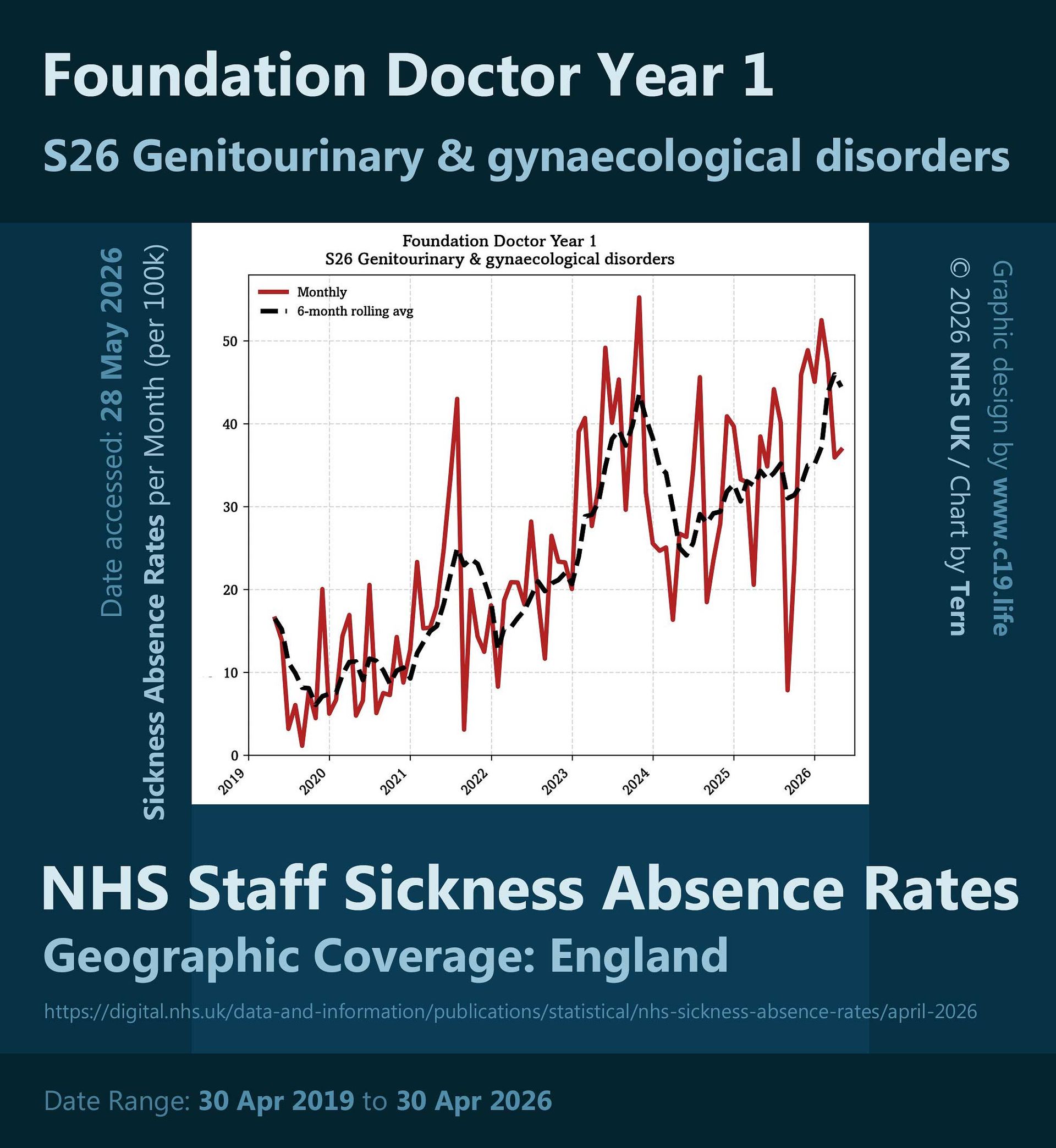
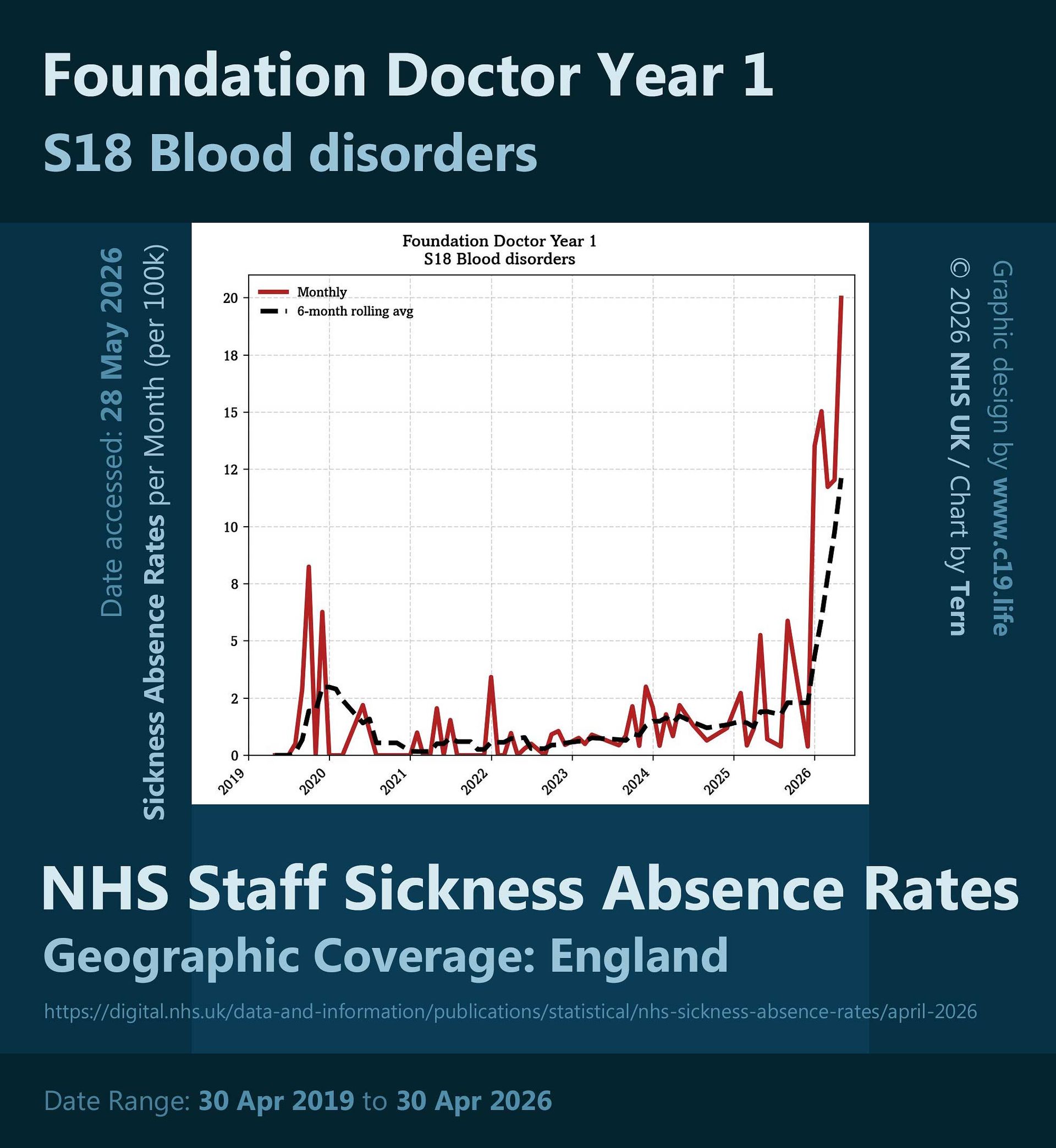
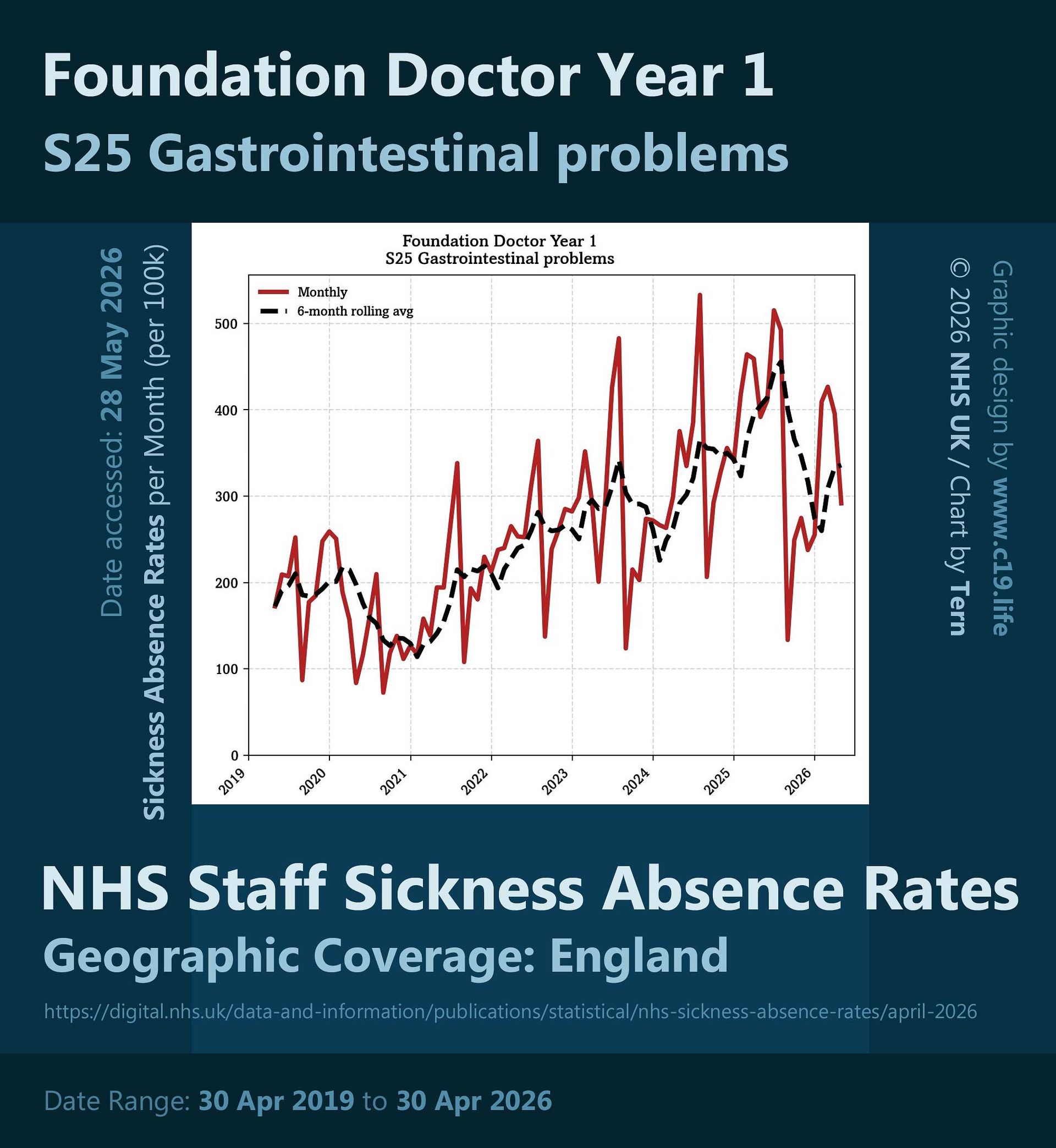
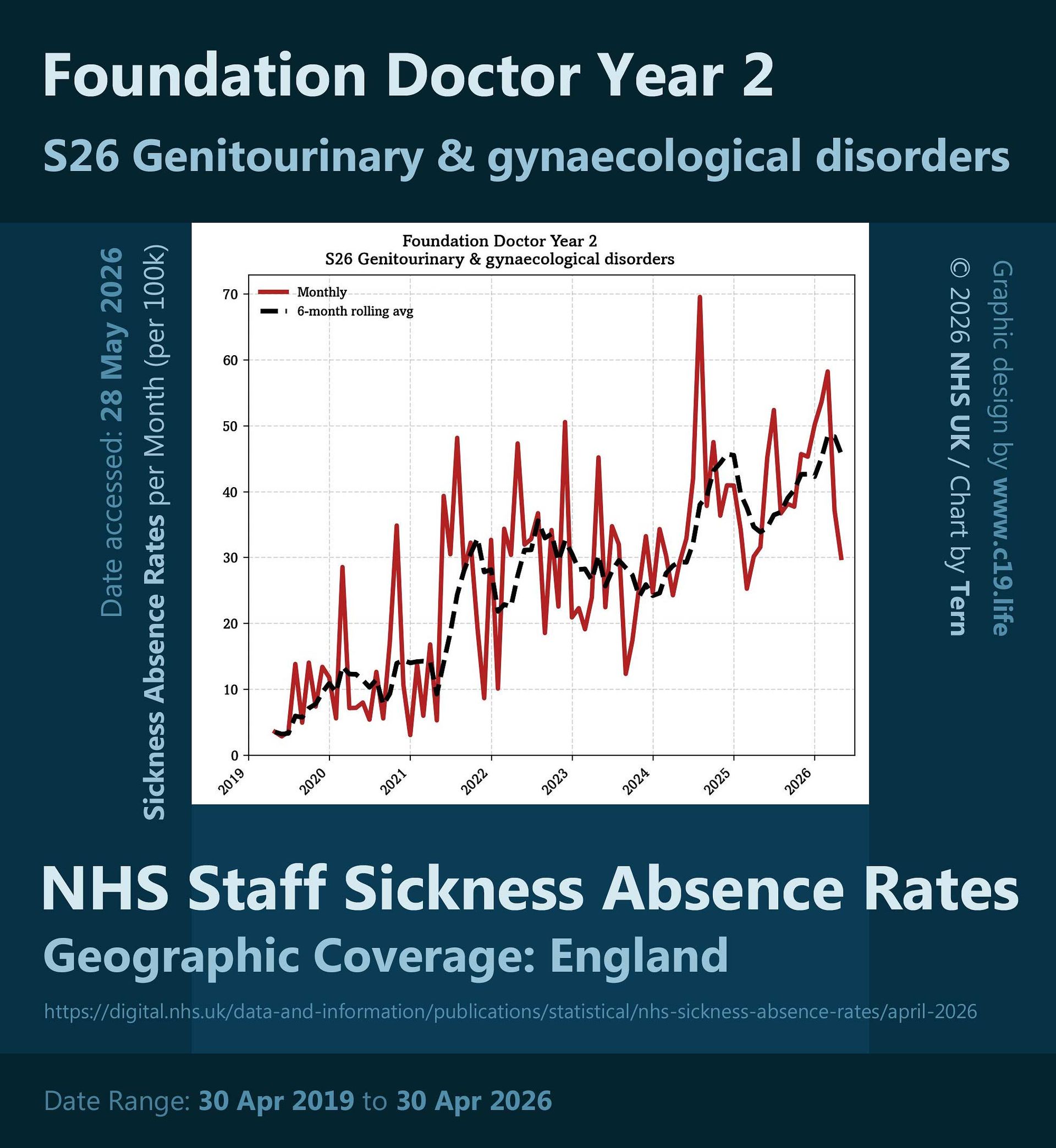
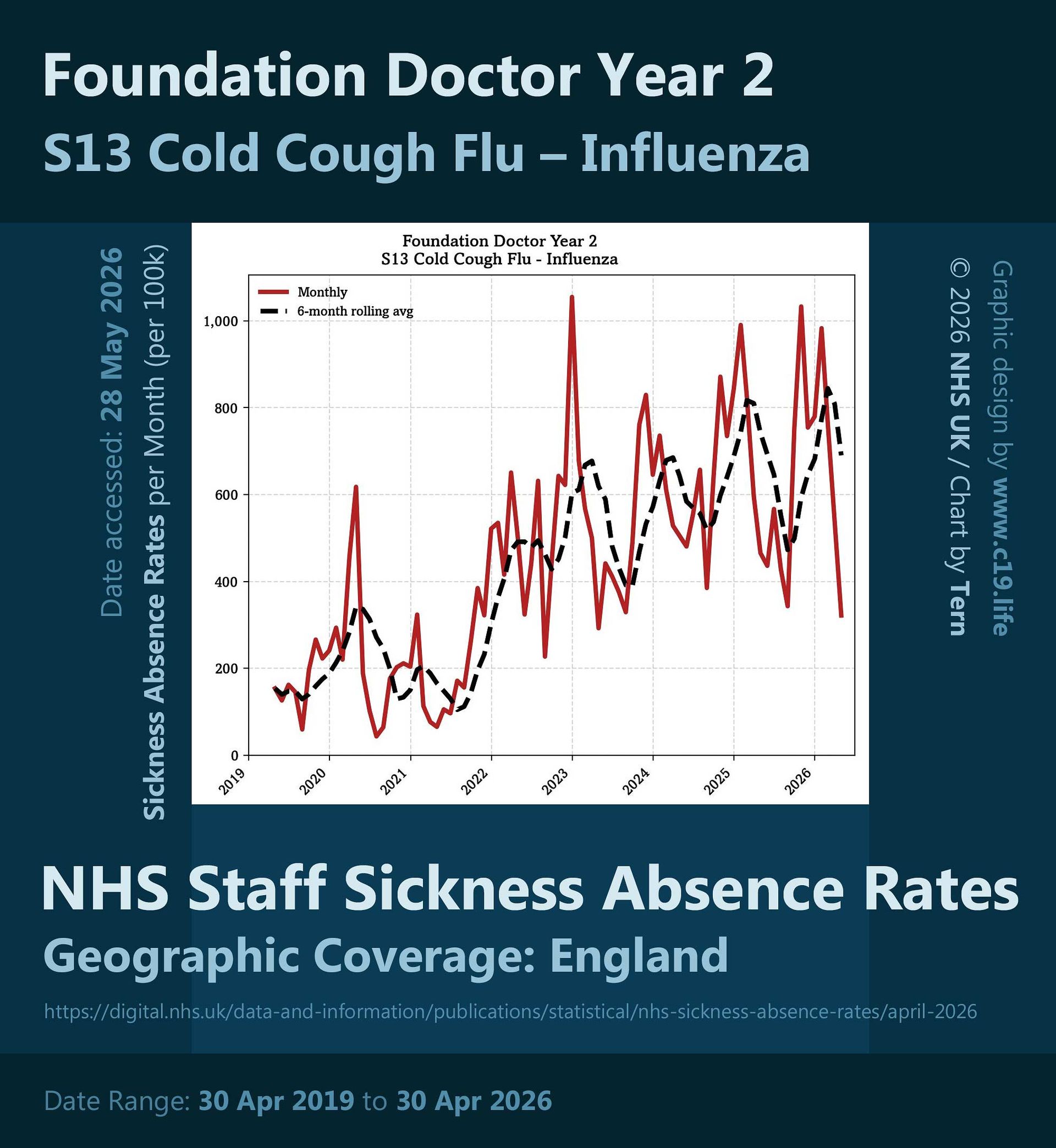
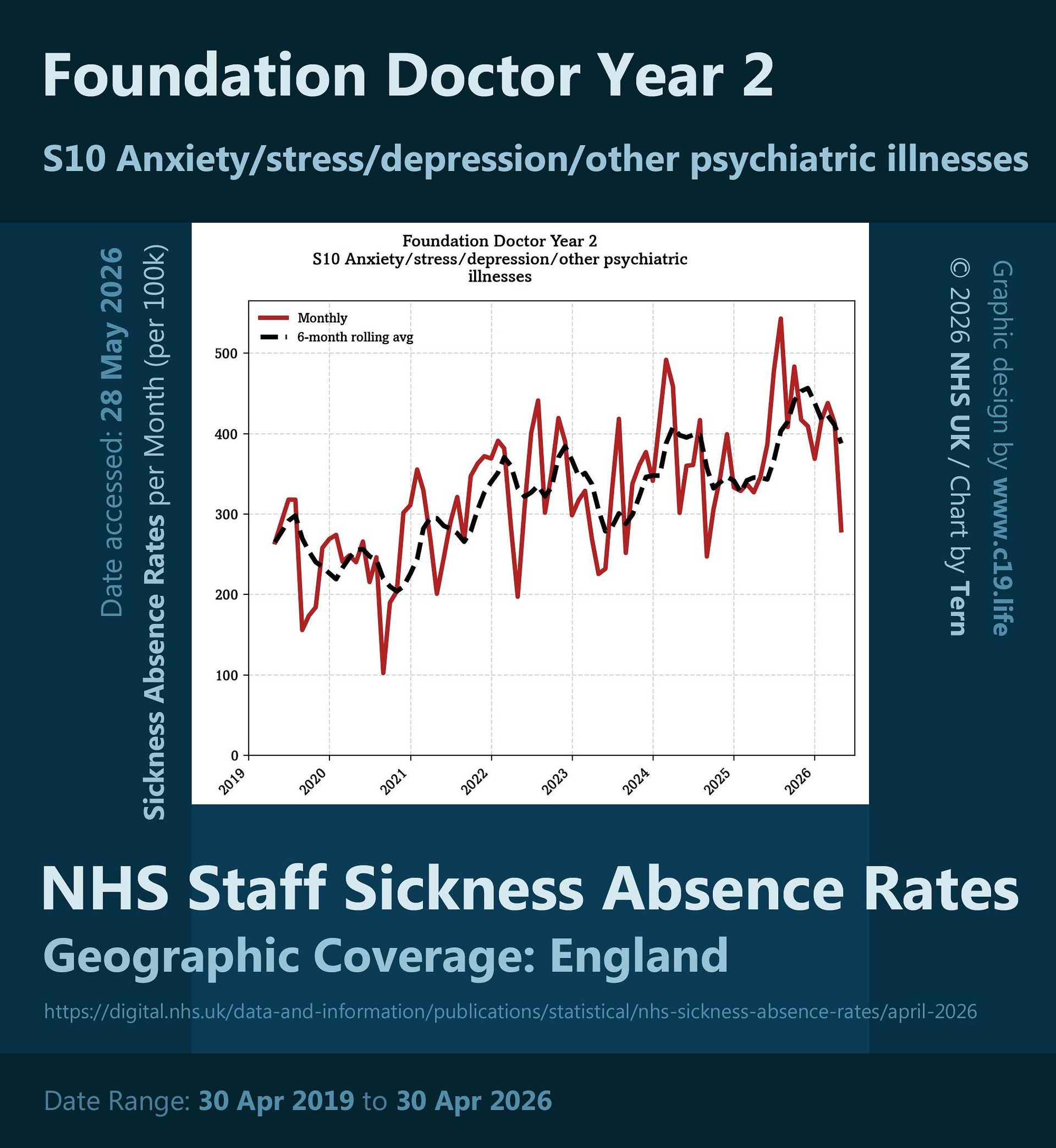
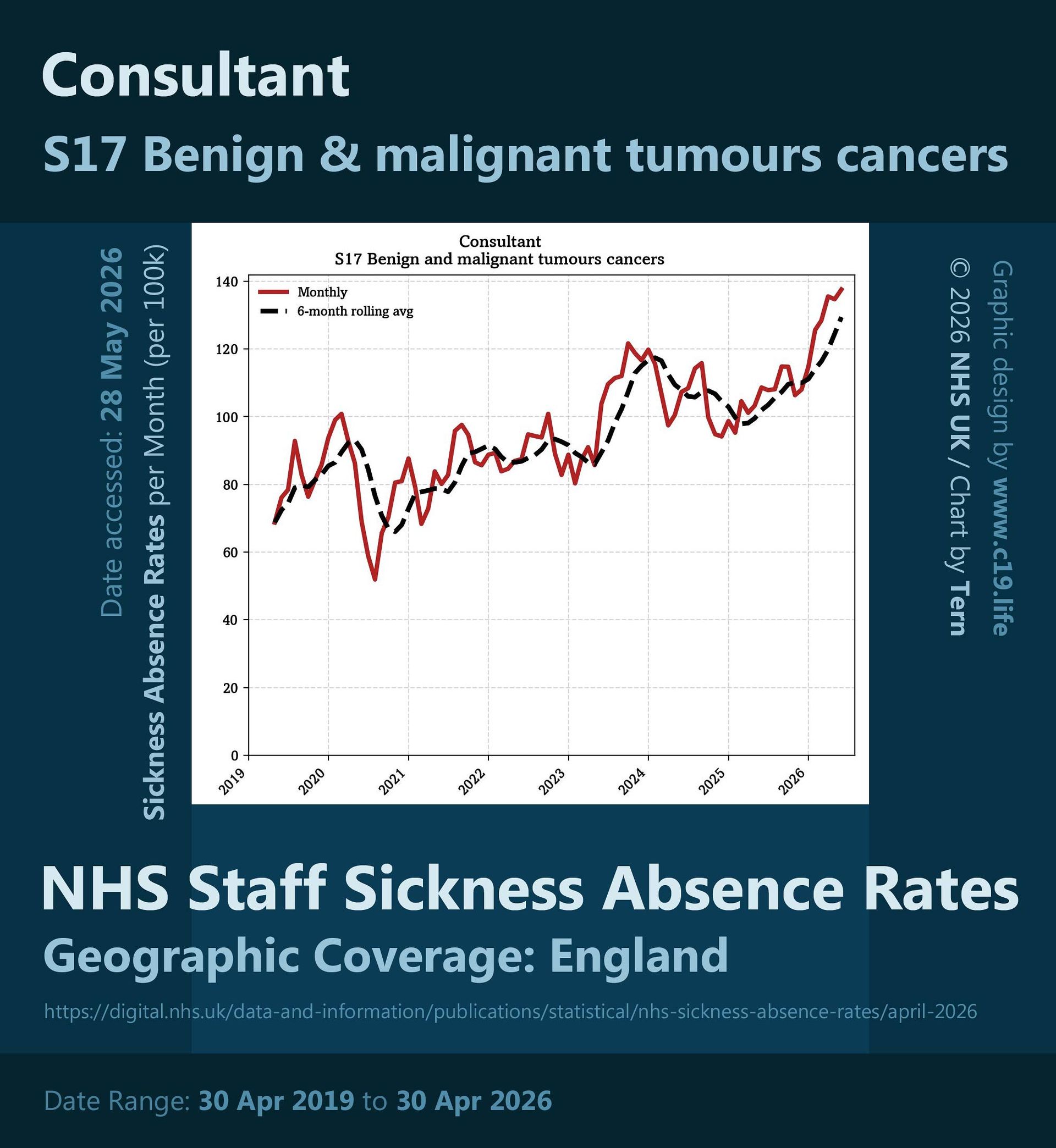
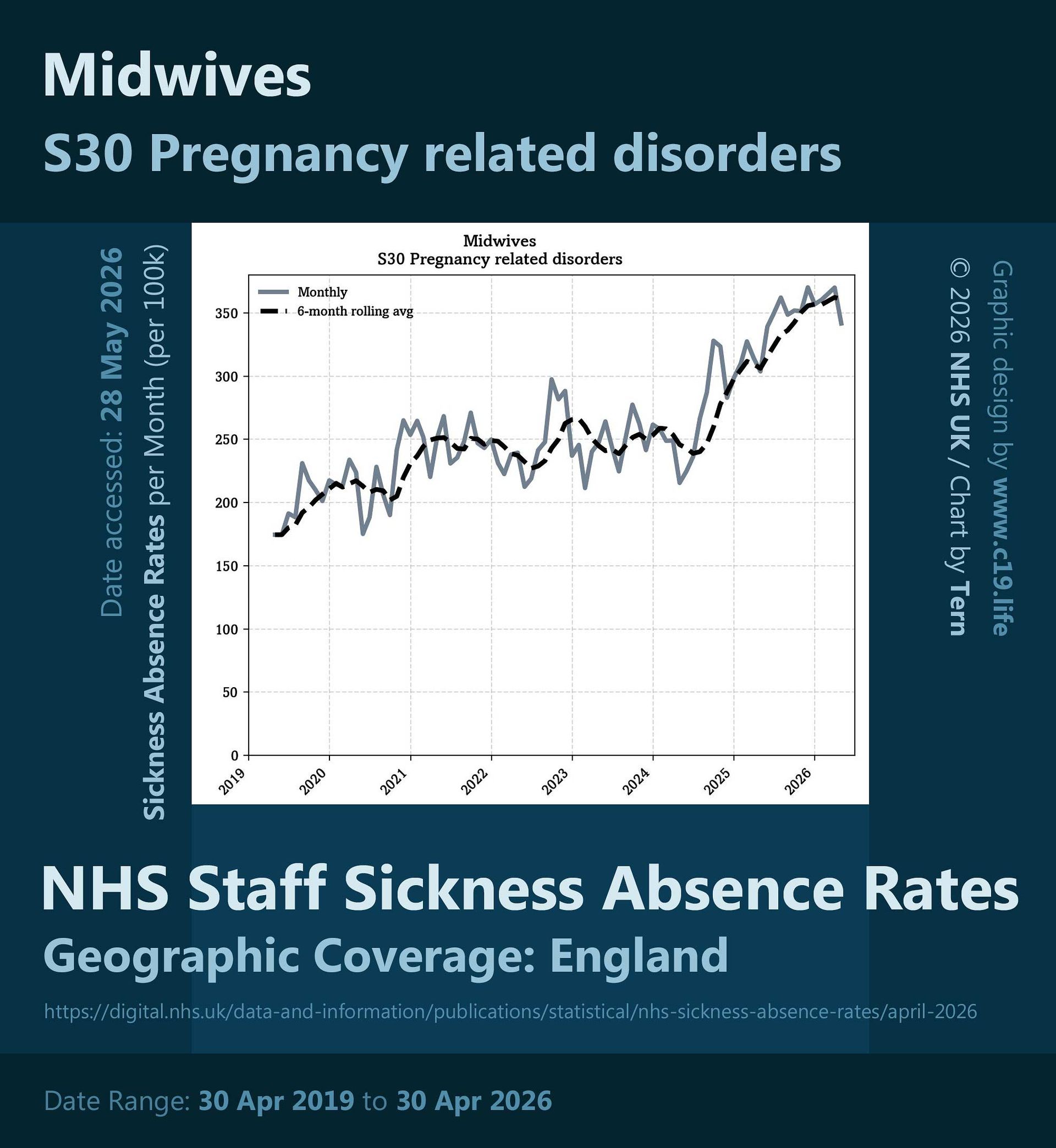
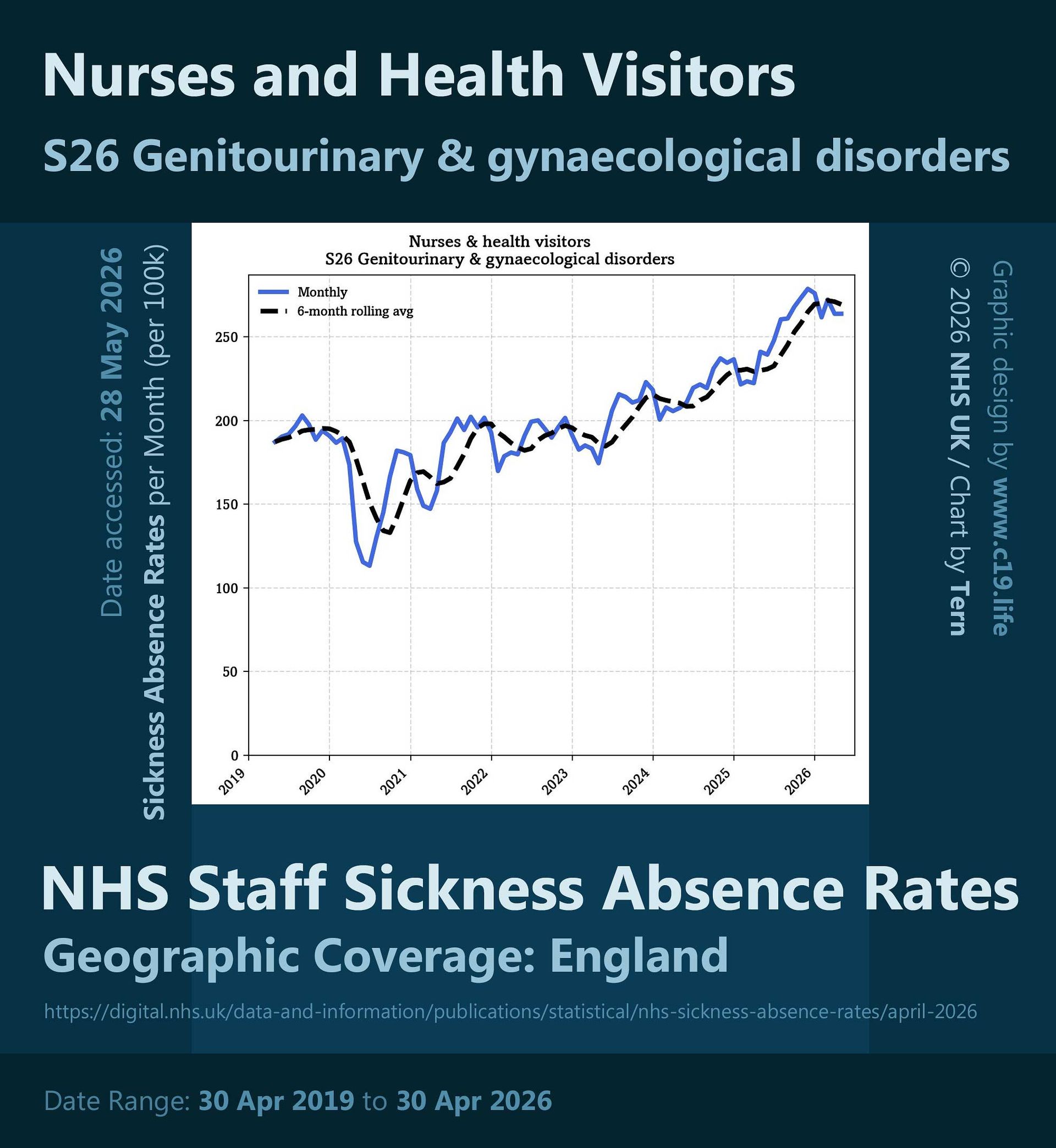
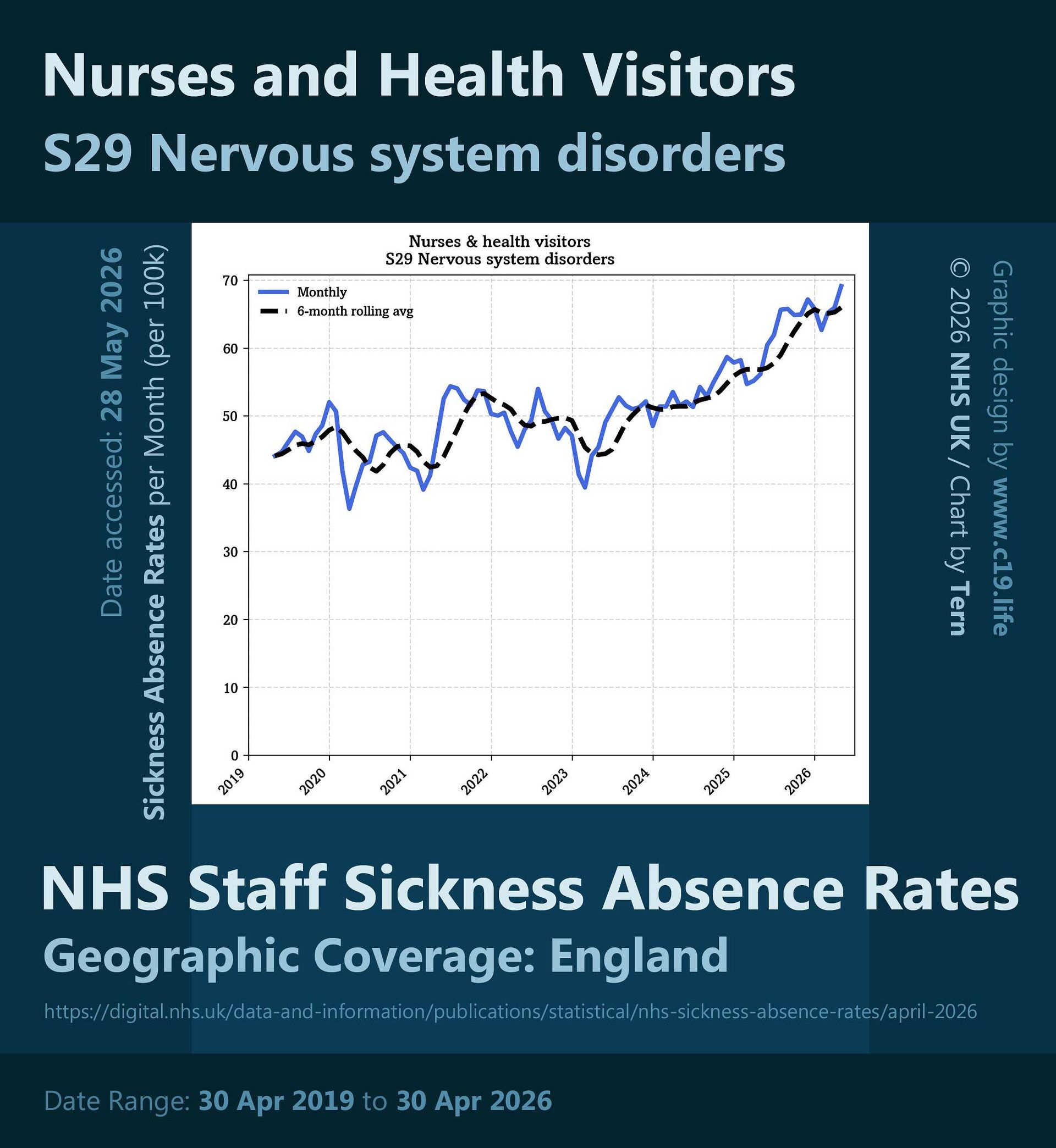
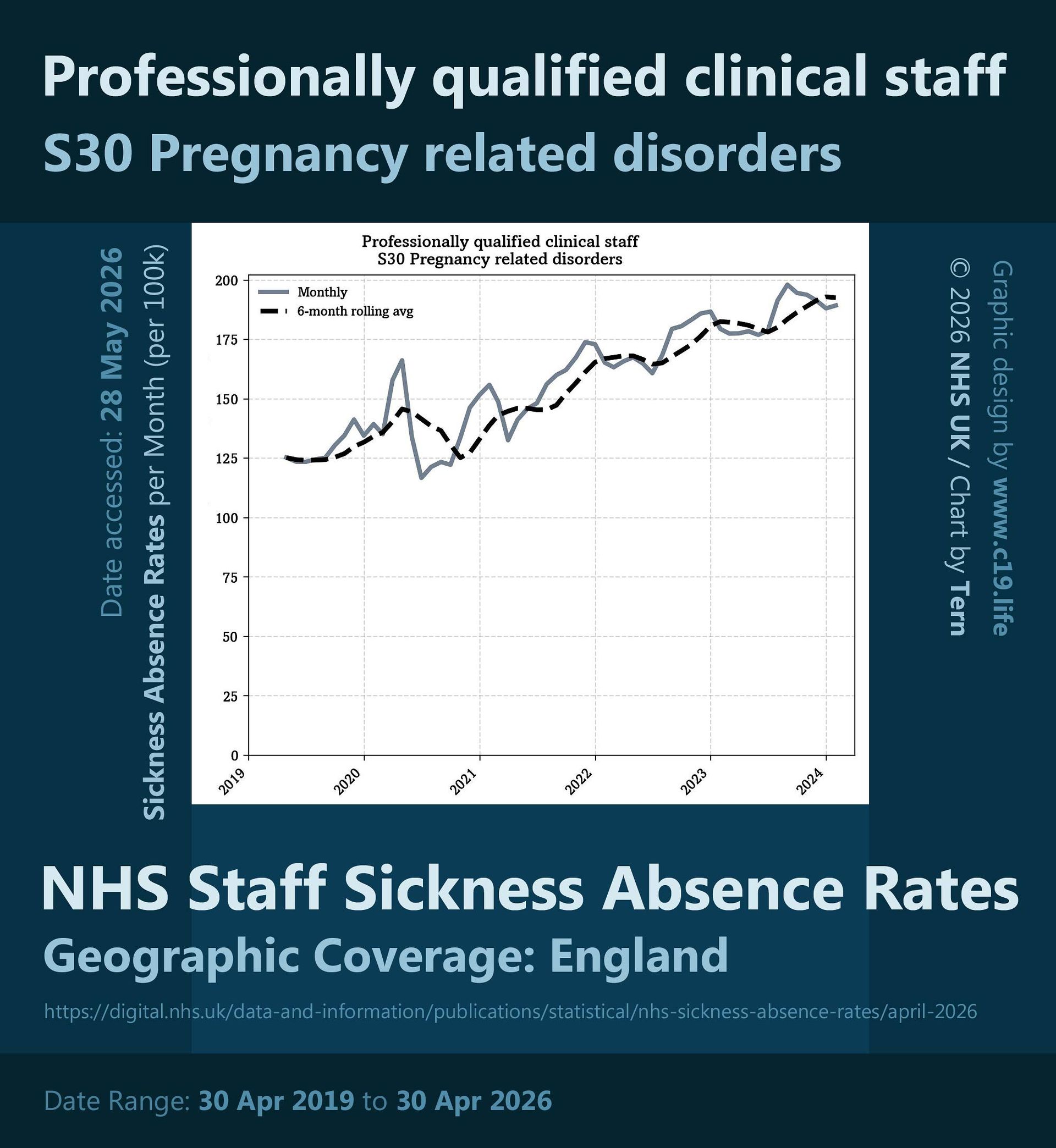
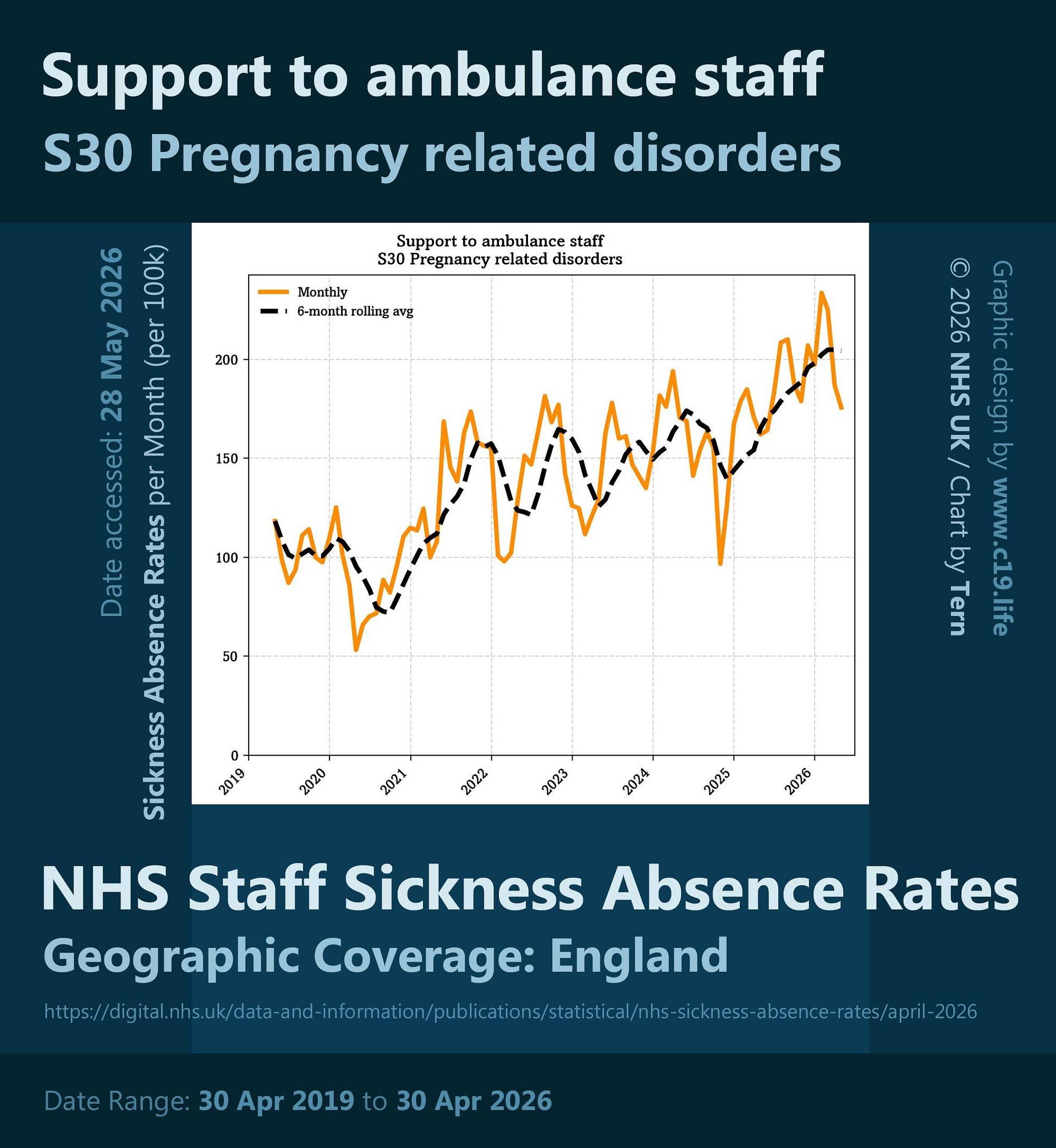
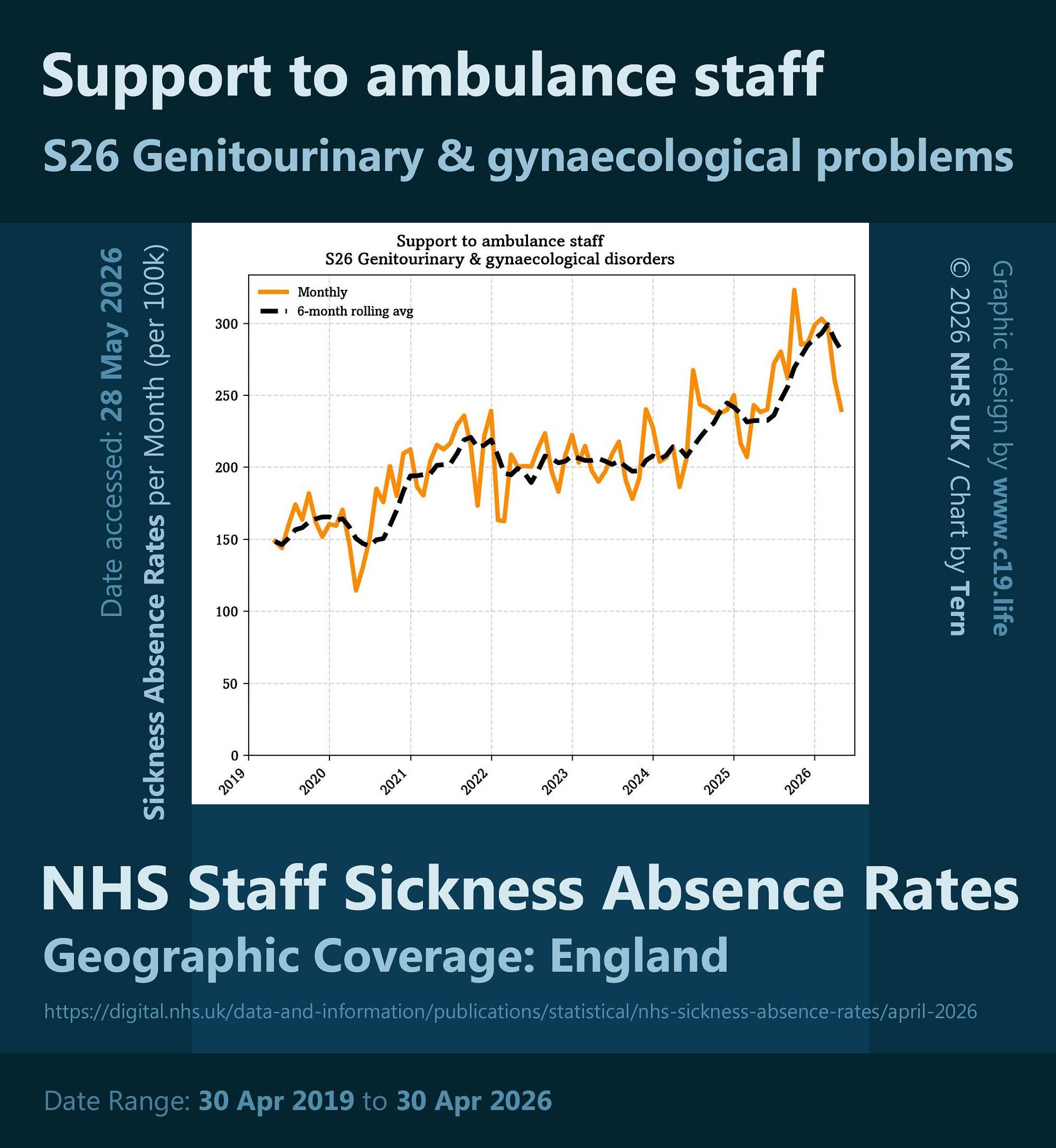
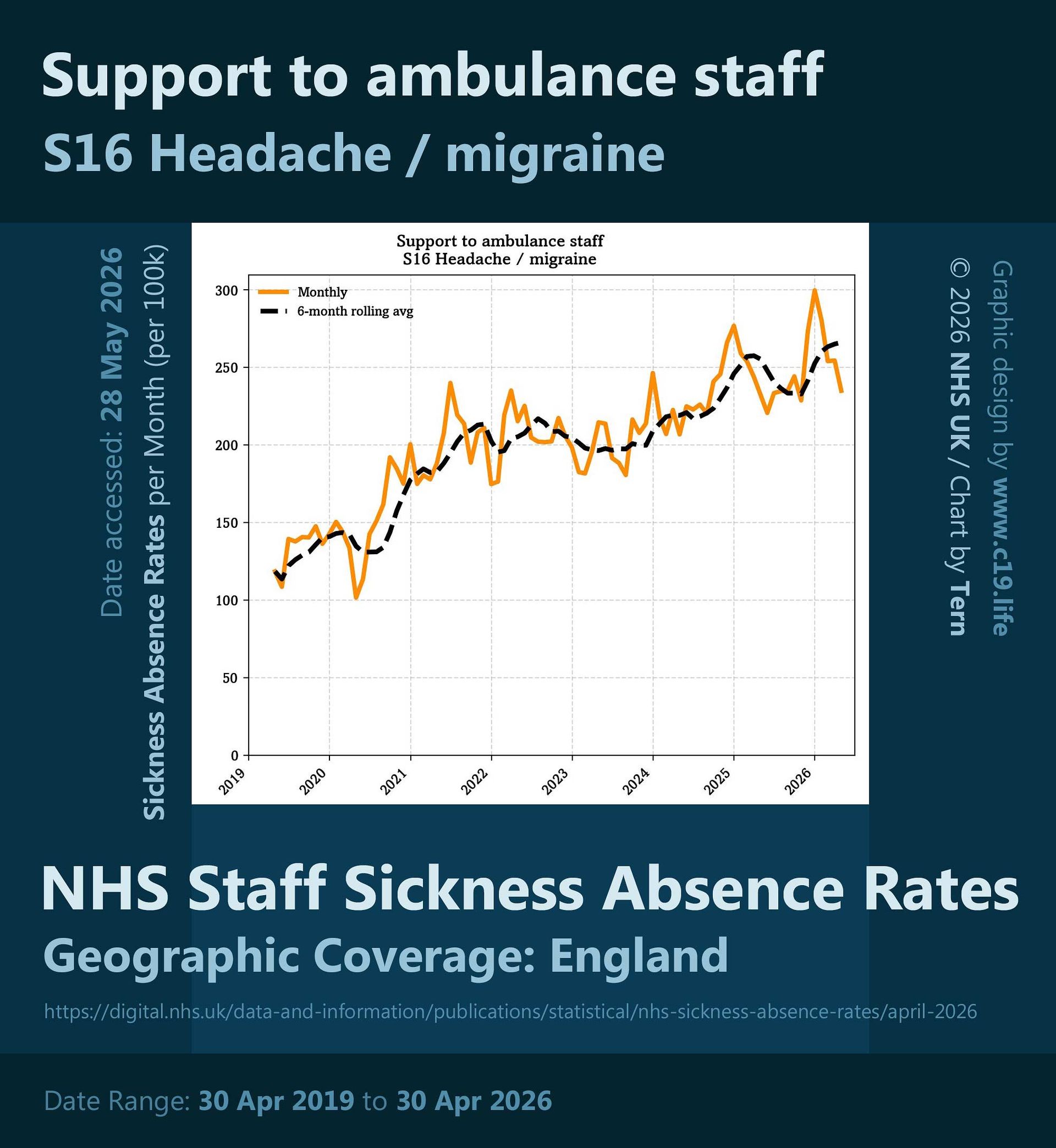
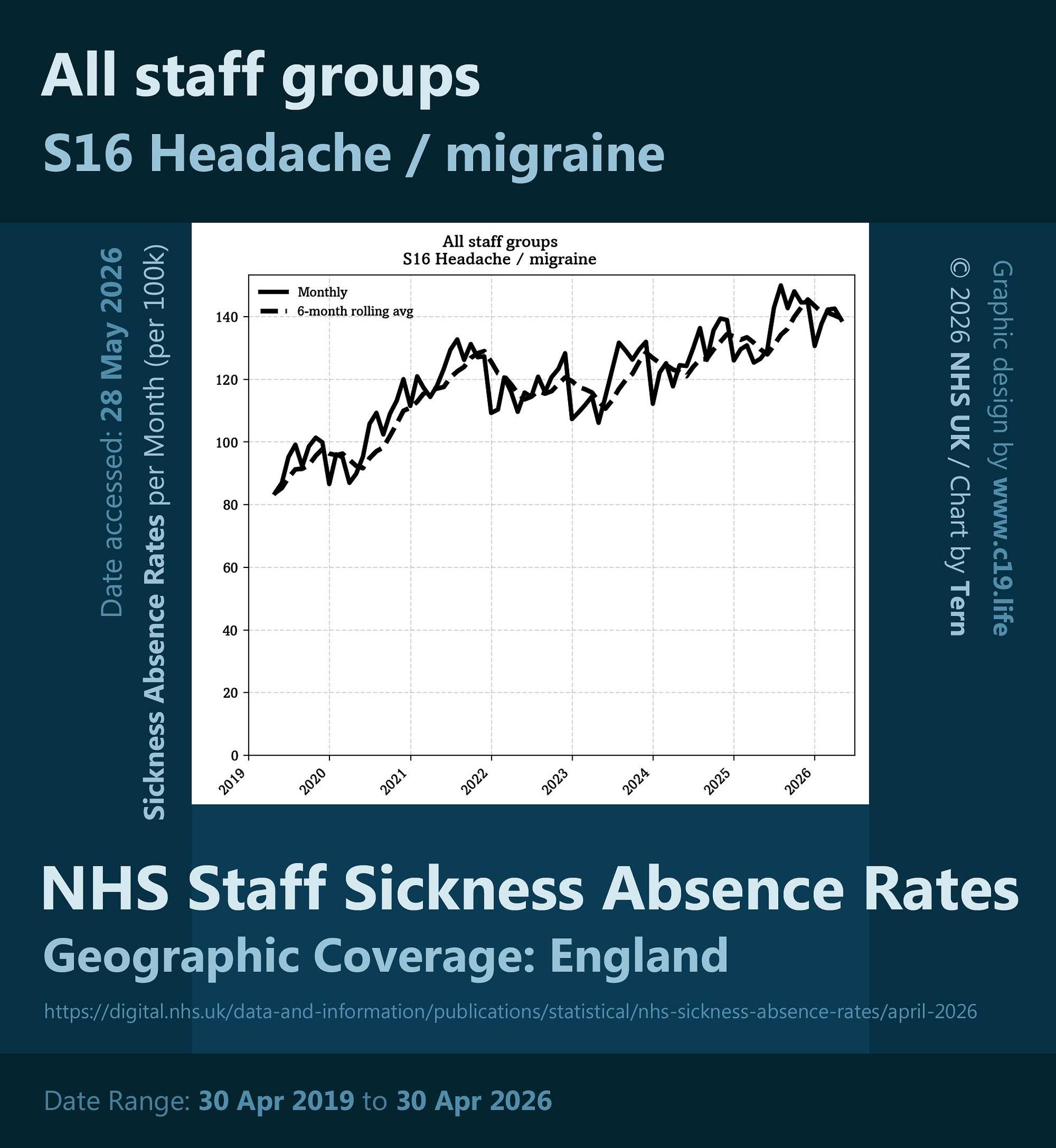
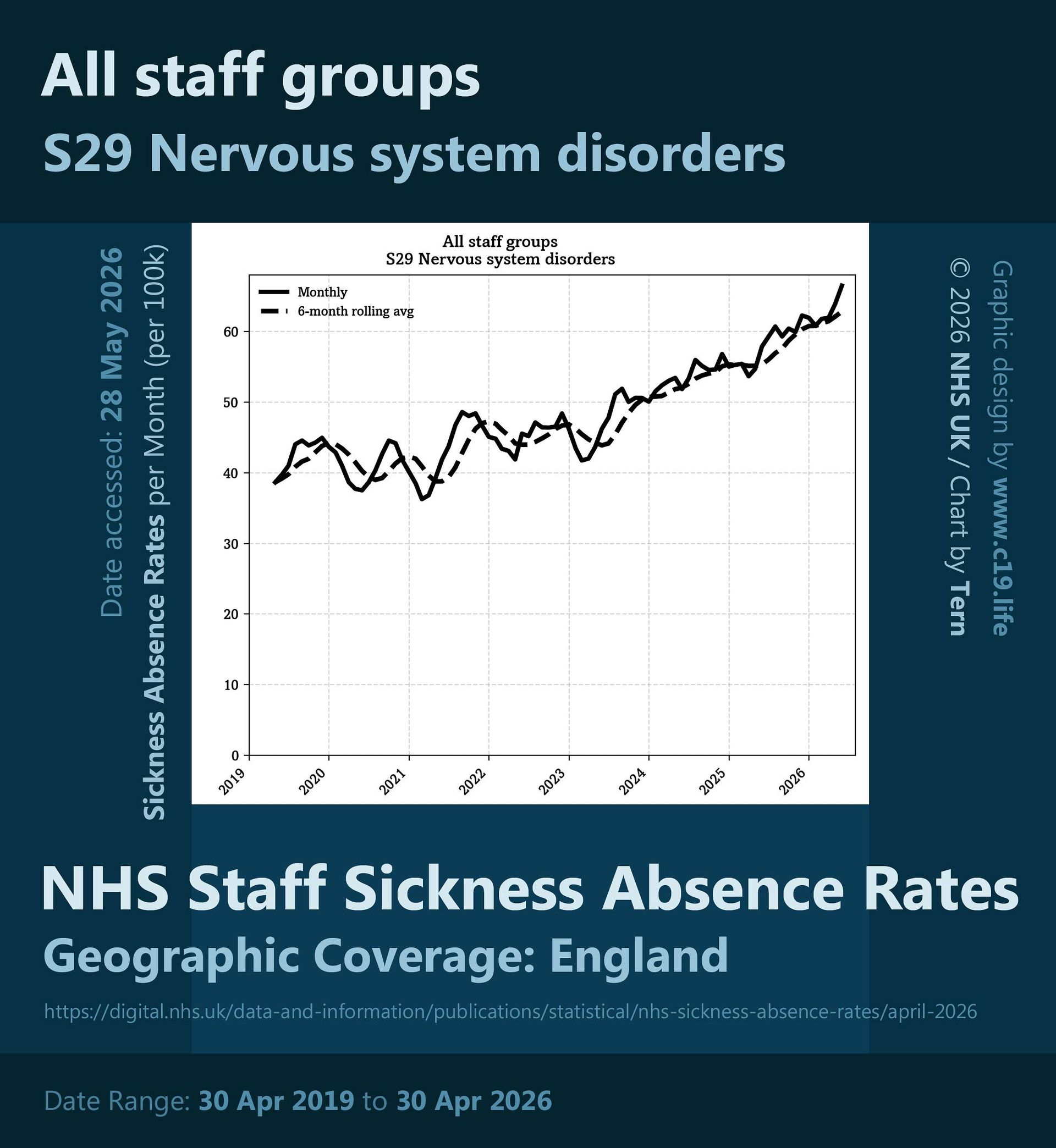
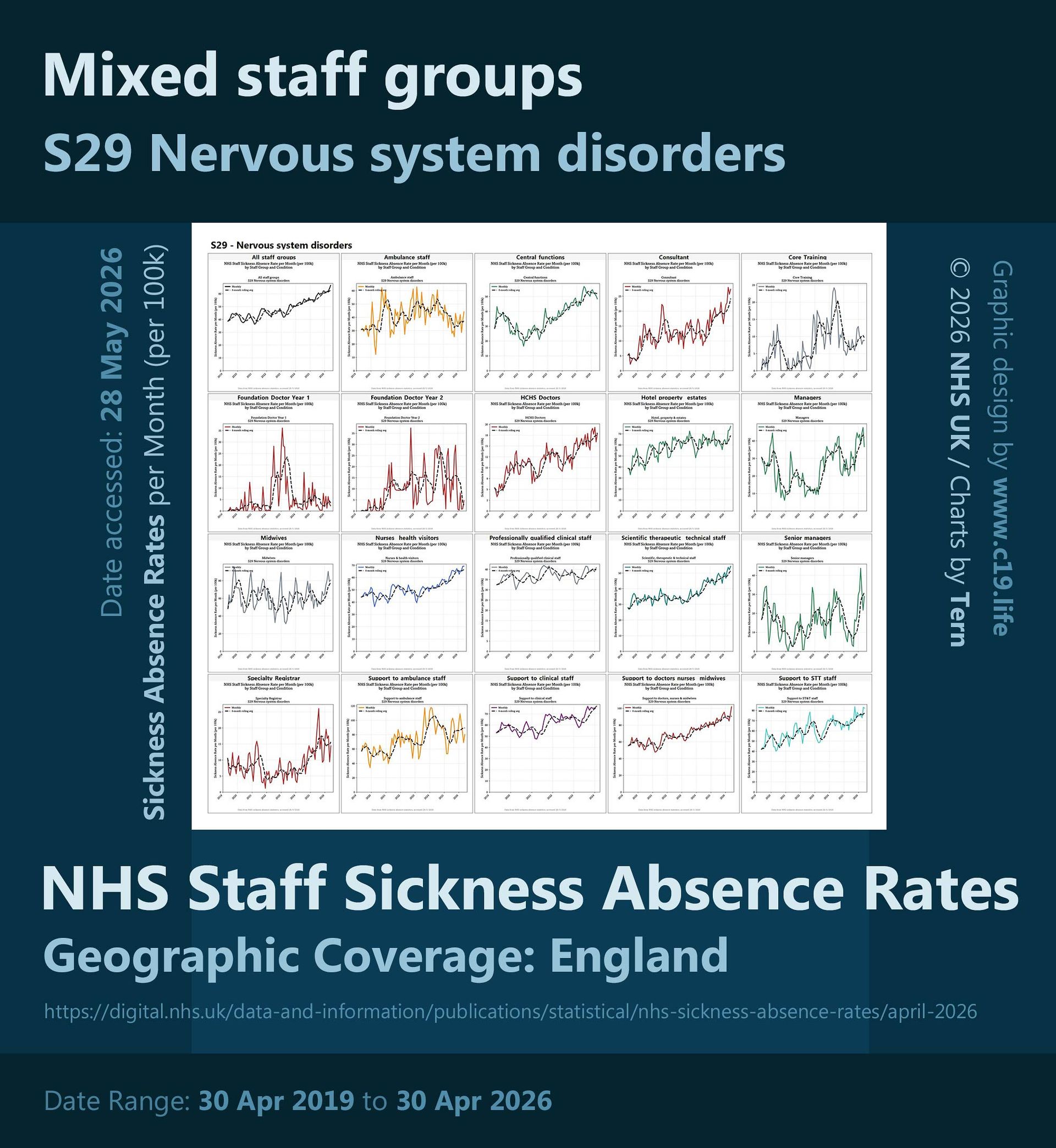
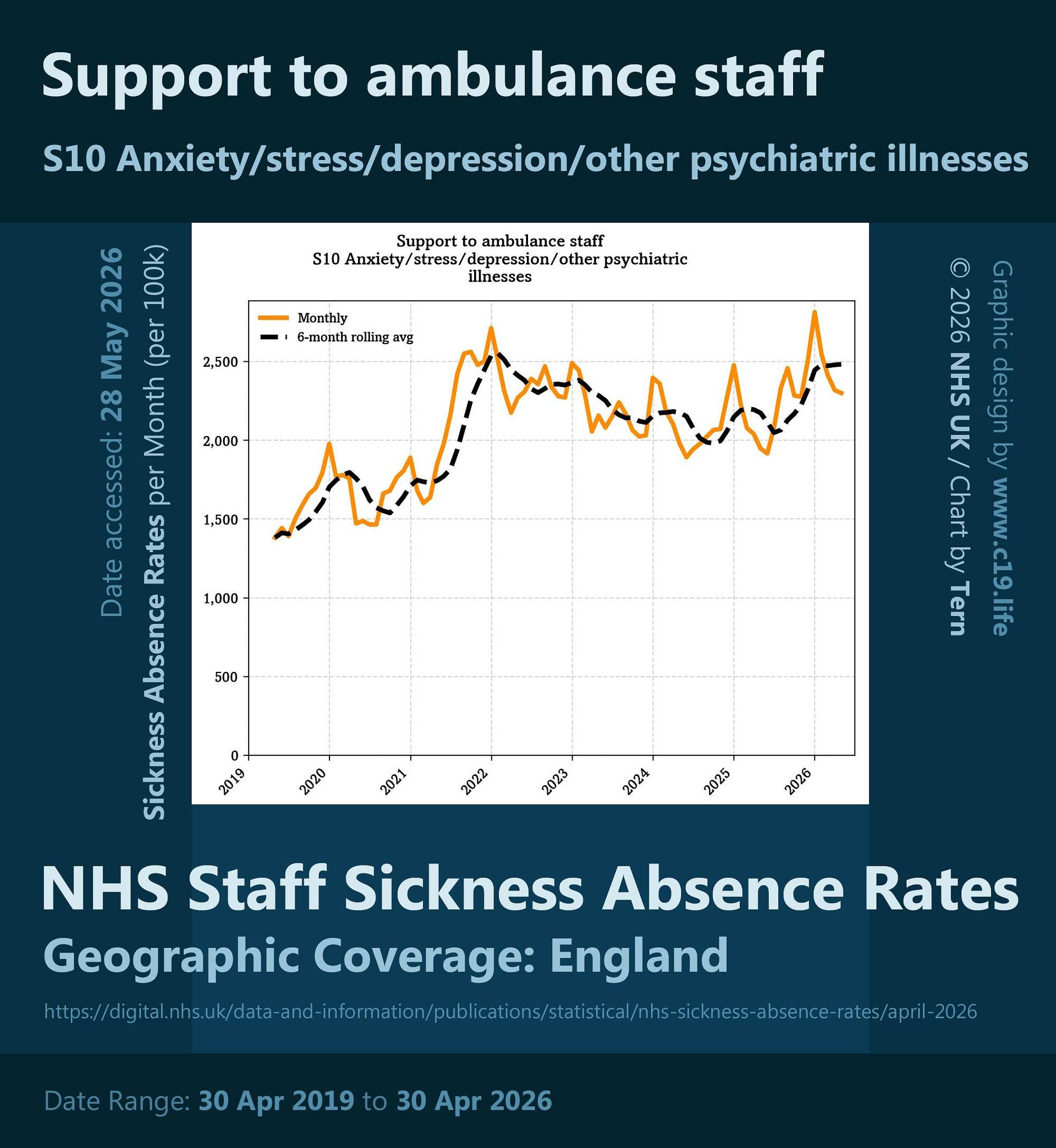
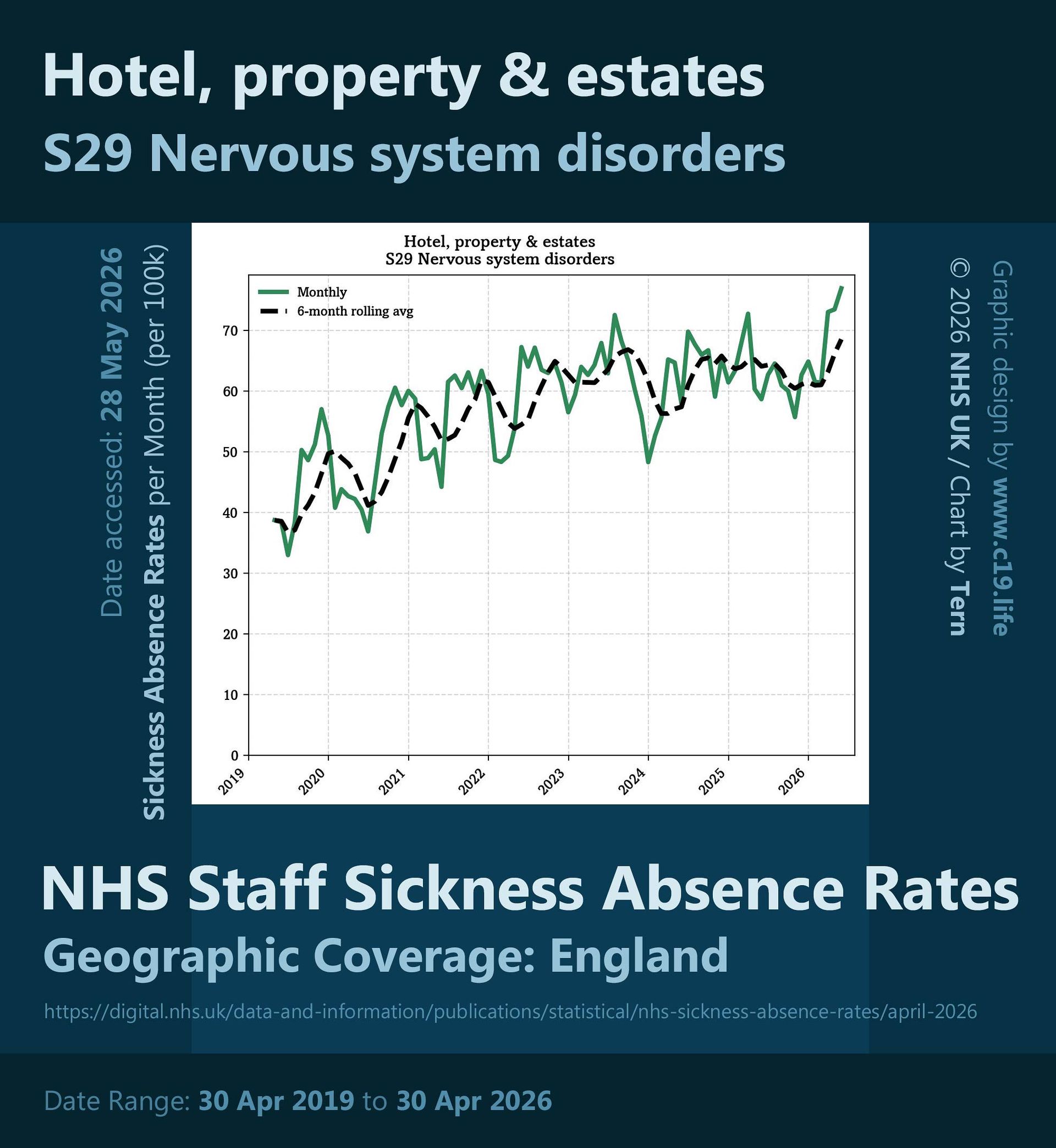
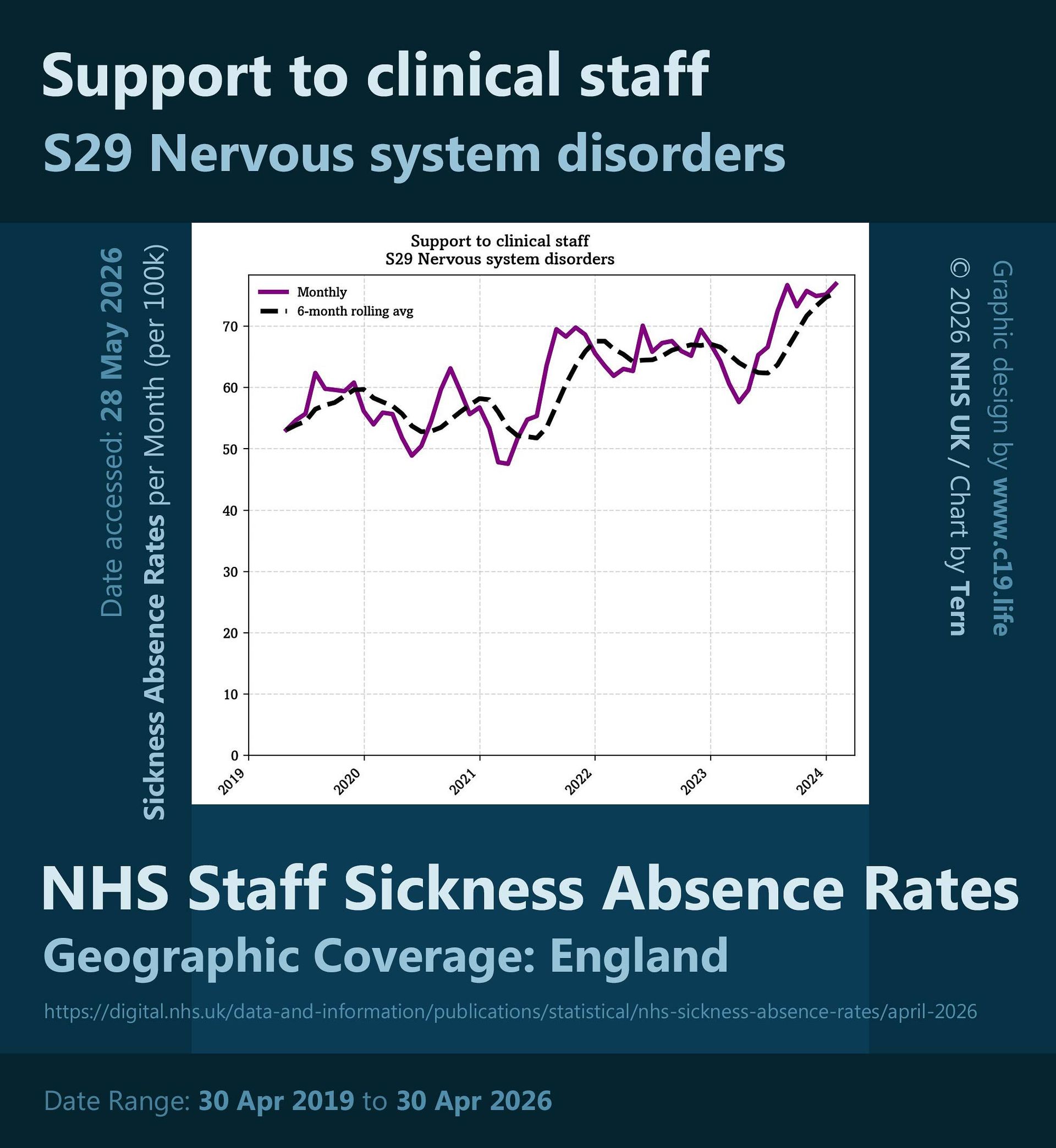
NHS (England) Staff Sickness Absence Rates per Month (per 100k) by Staff Group and Condition 2019–2026.

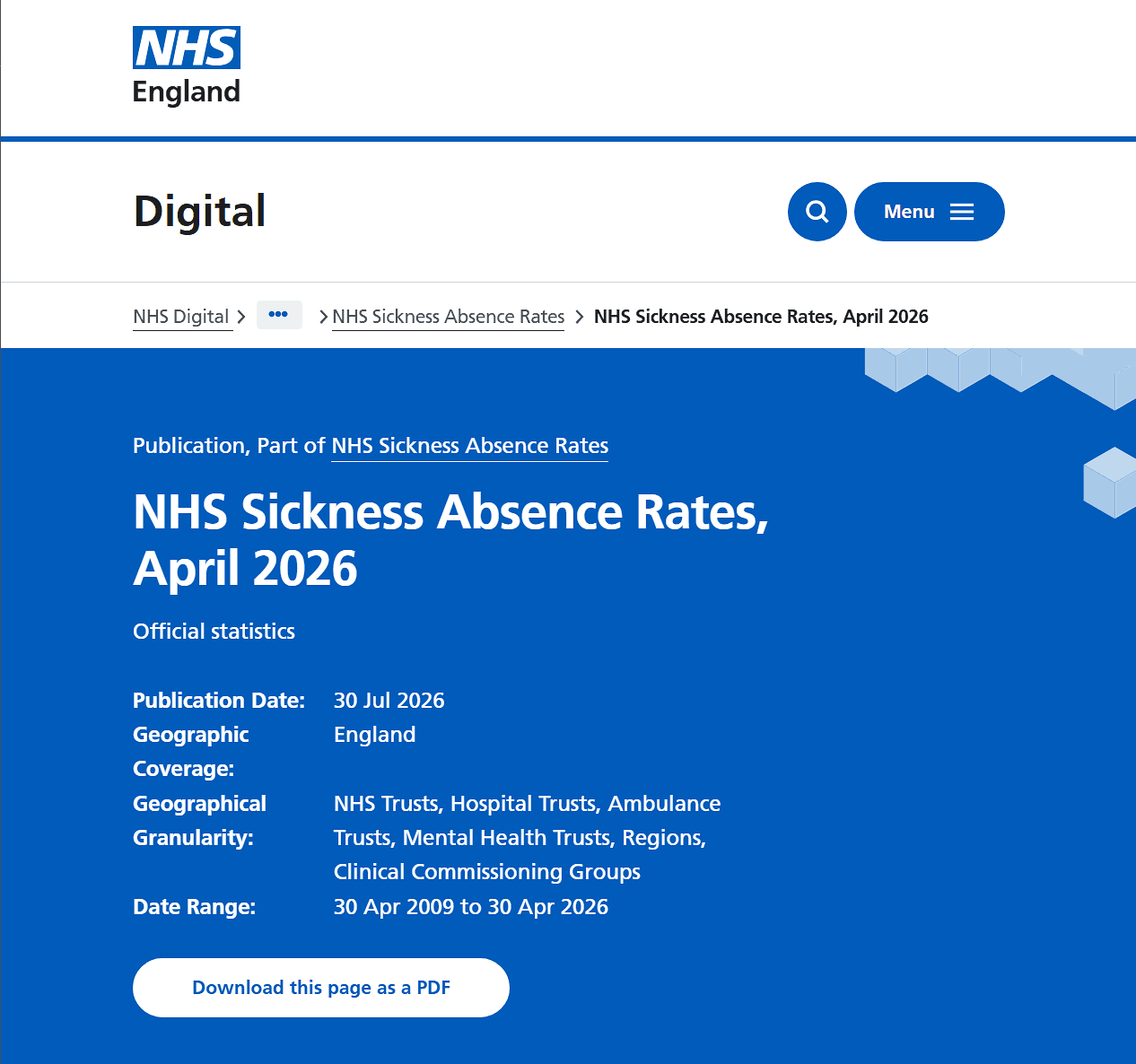
‘NHS Sickness Absence Rates (30 Apr 2009 – 30 Apr 2026) (England)’ ➤


© 2026 National Health Service (NHS) (England) UK.


xxx


By Author et al / Journal (Date)


[Abridged article: Please refer to original manuscript for full text. Link is provided below.]


Para: xxx


‘xxx


‘xxx White xxx light xxx


xxx.’


xxx


Para: xxx


xxx


Para: xxx


xxx


Para: xxx


xxx


Para: xxx


xxx


Para: xxx


xxx


Para: xxx


xxx


Para


xxx.


Para


xxx


Para


xxx


Notes xxx.


Note:


xxx


xxx


Note:


xxx


xxx


Note:


xxx


xxx


[Please refer to original manuscript for full text. Link provided below.]


Para


xxx.


Subpara


xxx.


Subpara


xxx


Subpara


xxx


Para


xxx


Para


xxx [180–182].


Para


xxx


Para


xxx


Para


xxx


Conclusion


xxx


References


1. Author ∙ Author.

Title

Journal. (202x)

Link ➤


2. Author et al

Title

Journal. (202x)

Link ➤


Source: 📖 (Date ~ Journal) Title ➤


© 202x Author et al / Journal.


More... on Healthcare Workers (HCW) and nosocomial (hospital-acquired / healthcare-associated) infections


by C Raina MacIntyre, Noor Bari et al / Respiratory Medicine 13 February 2026
‘Breathing, speaking, coughing, and sneezing produce infectious aerosols in clinical environments. Coughing produces more aerosols than endotracheal intubation.’
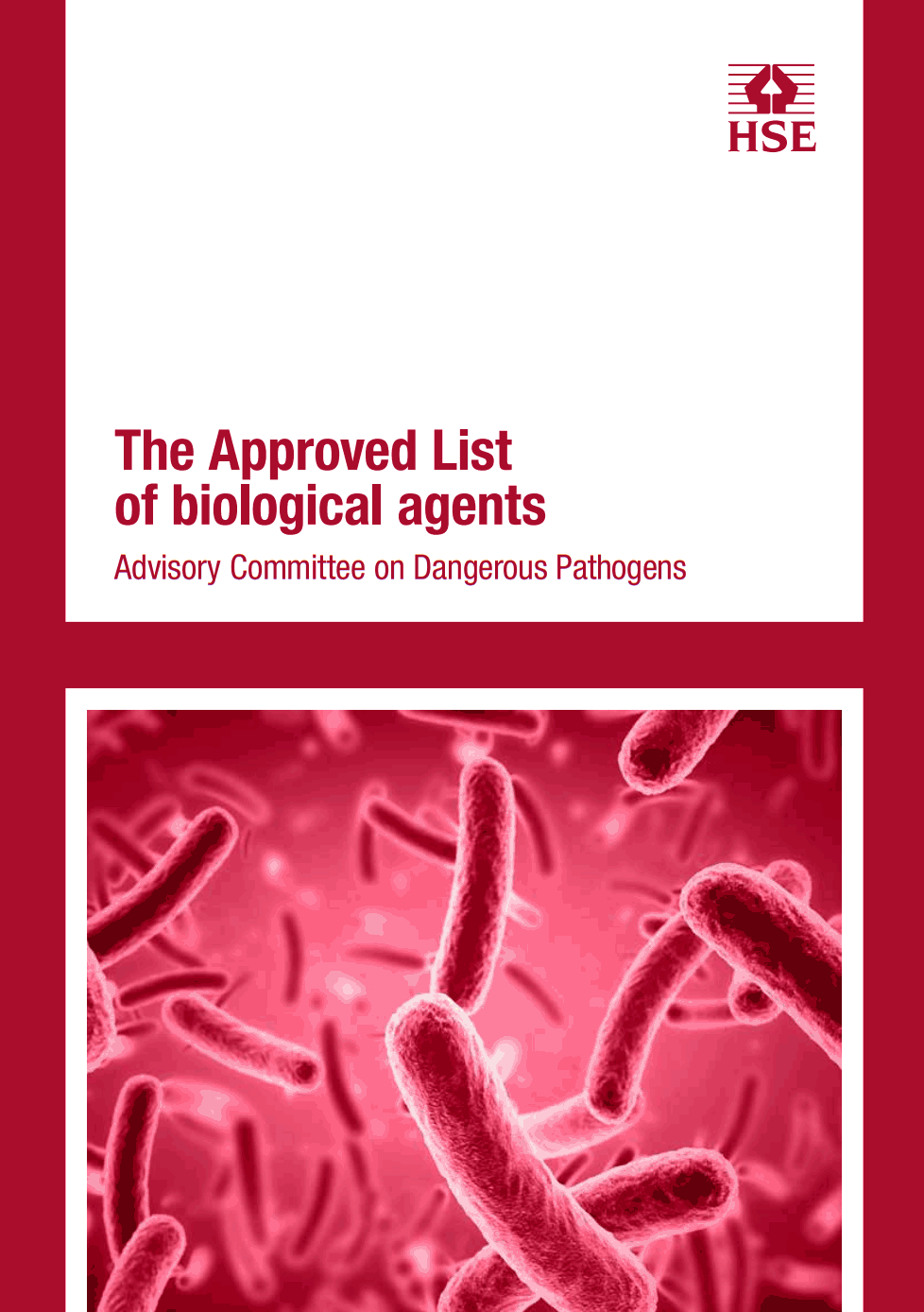
'The Approved List of biological agents'. Advisory Committee on Dangerous Pathogens / UKHSA.
by United Kingdom Health Security Agency (UKHSA) / Health & Safety Executive (HSE) / Control of Substances Hazardous to Health Regulations (COSHH) / C19.Life • Accessed 23 Oct 2025 23 October 2025
The Health and Safety Executive (HSE) has designated SARS-CoV-2, the virus that causes COVID-19, a Hazard Group 3 (HG3) pathogen that can cause severe human disease. The United Kingdom’s Health Security Agency (UKHSA) classifies SARS-CoV-2 as a notifiable organism, and COVID-19 as a notifiable disease (2026).
by The British Occupational Hygiene Society ~ COSHH and Healthcare Respiratory Protection 20 October 2025
‘FRSMs [Surgical Masks] have never been considered either adequate or suitable equipment for protection against inhalable or respirable risks under COSHH.’
by C19.Life 20 October 2024
❦ If parents, and politicians and teachers, and healthcare workers and public health bodies wanted things to change, all they need do is read . It’s all there. But they don’t. They won’t. And they insist on their medical and scientific flat-earthing – hand-sanitiser for aerosol-transmitted disease – because they prefer the world to be flat. So let them walk off the edge of the world. [ Caveat: The earth is not flat, and doing nothing will not flatten the curve – but walk far enough, and you are likely to fall off a cliff.] © 2024 C19.Life
by Dempsey et al / BMJ Journals ~ Occupational and Environmental Medicine 8 October 2024
‘This study included 5248 healthcare workers. While 33.6% reported prolonged COVID-19 symptoms consistent with PCS, only 7.4% reported a formal diagnosis of PCS. Fatigue, difficulty concentrating, insomnia, and anxiety or depression were the most common PCS [Post-COVID-19 Syndrome] symptoms. Baseline risk factors for reporting PCS included screening for common mental disorders, direct contact with COVID-19 patients, pre-existing respiratory illnesses, female sex and older age.’
by Professor Steve Robson MPH MD PhD ~ President, Australian Medical Association (AMA) 20 January 2024
❦ “Every single case in which a person with COVID-19 infects another person in a healthcare setting – patient, relative, or hospital staff member – is a significant failure of hospital procedures. Every single instance .”
by Orla Hegarty / WHO (Europe) 18 January 2024
❦ “We cannot individually assess the risk of infection from poor indoor air quality (IAQ). Just as we cannot individually assess food safety in restaurants, or fire safety in cinemas, or aviation safety on flights. These are in the control of others, and are regulated for our health and safety.”
AI image of an Ink-bottle with a double-edged pencil, made with Wombo by c19.life.
by Dr. David Tomlinson, NHS Consultant Cardiologist 9 January 2024
❦ “I met a nice lady – a ward patient – yesterday who, seeing my [ FFP3 ] respirator [ high-filtration ‘mask’ ] , promptly put on her surgical mask. So instead of diving straight in to asking what was most concerning her and how I could help, I opened up a bit about infection control in hospitals. I explained how, because of a lack of respirators, March 2020 saw NHS leaders downgrade PPE for all non-ICU staff. ❂ PPE : Personal Protective Equipment. I then reminded her of the amazing DHSC 2020 and 2021 campaigns on airborne transmission of SARS2 (the green-and-black smoke ones) – and I had to point out that every IPC Lead Nurse had since had to switch off their brain and forget what they knew – and while at work, to only protect ICU staff. ❂ DHSC : Department of Health and Social Care (UK). ❂ IPC : Infection Prevention and Control. I explained that the individuals responsible for the original IPC downgrade were now authors of the national manual on IPC (NIPCM), which sets the standard for infection control in hospitals, and this manual states that airborne transmission is ‘not a thing’ for SARS2 (AGP only). ❂ NIPCM : The UK’s National Infection Prevention and Control Manual. ❂ AGP : Aerosol-Generating Procedure, ie. intubation. So hospitals are destined to be unsafe spaces thanks to the NIPCM, and the surgical mask that she was wearing was OK (ish) to help protect me – but did very little to reduce her risk of SARS2 inhalation. However, she was in a single room (an extra, and not meant as a ward-bed space – but you know, >100% occupancy forever means that you need to use your imagination) – and she already had the window open. She was appalled at what healthcare workers were being put through. She was appalled at the on-going lies. She was appalled at the possible level of harm to patients and staff from such lies. She then went on to tell me how a weekend visitor of hers had just tested positive for Covid. She was worried that they had hugged and chatted, and that she might have got infected. She’s a switched on lady, too. Lives with a medic who has the windows open all the time (“It’s freezing at home”). So I explained about the CleanAirStars.com site. About HEPA filtration being a low energy and low-cost way to remove all airborne pathogens , and to make home a safer place for... • Covid • Flu • RSV • Norovirus • Fungi, etc. etc. The list goes on and on. — “Wow, that’s like magic!” We had a very nice chat. And then we talked about her heart. I just wish I could have this same conversation with each and every NHS CEO and IPC Lead Nurse. I’d ask some questions. I’d want to know why they aren’t protecting staff as they should. I’d want to know why they aren’t protecting patients as they should. I’d want them to know that they are in breach of UK legislation . And I’d want to look them in the eye and ask them to show compassion to the powerless: to staff, and patients. Help us please. Do whatever you can to counter the lies, and to help protect the NHS. Thank-you.” ✾ © 2024 Dr. David Tomlinson (NHS Consultant Cardiologist) ➤
by Professor Phil Banfield (BMA) & Dr. Barry Jones (CAPA) 22 December 2023
‘It is accepted that COVID-19 can be and is spread by the airborne route. The recent evidence given at the UK COVID-19 Inquiry clearly shows that aerosol transmission is a significant, and almost certainly the dominant, route of transmission for COVID-19.’ The British Medical Association (22 Dec 2023)
by Royal College of Nursing (RCN) (UK) 21 December 2023
‘The RCN is urging healthcare employers to assess the risk posed by COVID-19 and put appropriate safeguards in place for patients and staff. WHO [has] advised healthcare workers and health facilities to implement universal masking in health facilities, as well as appropriate masking, respirators and other personal protective equipment for health workers caring for suspected and confirmed COVID-19 patients; and to improve ventilation in health facilities.’ ✾ ❦ We’ve contacted chief nursing officers in all four UK countries and the UKHSA to find out what action will be taken in response to WHO’s statement on a new COVID-19 variant of interest. The RCN is asking for a revision to current guidelines , to introduce universal implementation of the two measures advised by the World Health Organization (WHO) to help protect healthcare staff against COVID-19. Earlier this week, in light of the new COVID JN.1 variant, WHO advised healthcare workers and health facilities to: implement universal masking in health facilities , as well as appropriate masking , respirators and other personal protective equipmen t for health workers caring for suspected and confirmed COVID-19 patients ; improve ventilation in health facilities . The existing national infection prevention and control manuals don’t require standardised masking for COVID-19, and decisions on respiratory protective equipment are left to local risk assessments. This is now inconsistent with WHO’s latest advice . We also have concerns about the adequacy of ventilation in general ward and outpatient areas within hospital buildings and believe that action must be taken to assess and improve this. Although evidence suggests that the global public health risks from the new variant are low, WHO has warned that onset of winter could increase the burden of respiratory infections in the Northern hemisphere. This comes when there are already unsustainable pressures on the health service. Figures show that there has been a rise in COVID-19 cases and hospitalisations , and the RCN argues that without proper protections , ill health could continue to rise in nursing staff and impact their ability to deliver safe and effective patient care . WHO has advised that it is continuously monitoring the evidence and will update the JN.1 risk evaluation as needed. The RCN is urging healthcare employers to assess the risk posed by COVID-19 and put appropriate safeguards in place for patients and staff . Our COVID-19 workplace risk assessment toolkit aims to help assess and manage the risks associated with respiratory infections such as COVID-19, highlights the duties of nursing staff in specific roles (such as health and safety reps), has advice for employers and leaders, and provides the latest information on risk assessment. ❂ 📖 (21 Dec 2023 ~ Royal College of Nursing / RCN Magazine) COVID JN.1 variant: RCN seeks assurance on new PPE advice ➤ © 2023 Royal College of Nursing (RCN).
by Conor Browne 15 December 2023
❦ “Unless we reduce the transmission of Covid-19 through societal non-pharmaceutical interventions (such as cleaning indoor air) and/or the deployment and uptake of second-generation vaccines, attrition of healthcare will reach a tipping point. This tipping point – which may well happen within the next year – will lead to a global decrease in quality of available healthcare services, which in turn will lead to increased morbidity and mortality from all causes. Every government needs to reduce transmission. The denial of this problem will not change the outcome. Policymakers need to understand this.” ❂ © 2023 Conor Browne ➲
by Bland et al / Occupational Medicine 11 December 2023
❦ ‘As a consequence of their occupation, doctors and other healthcare workers were at higher risk of contracting coronavirus disease 2019 (COVID-19), and more likely to experience severe disease compared to the general population. Post-acute COVID (Long COVID) in UK doctors is a substantial burden. Insufficient respiratory protection could have contributed to occupational disease, with COVID-19 being contracted in the workplace , and resultant post-COVID complications. Although it may be too late to address the perceived determinants of inadequate protection for those already suffering with Long COVID, more investment is needed in rehabilitation and support of those afflicted .’ ❂ 📖 (11 Dec 2023 ~ Occupational Medicine) Post-acute COVID-19 complications in UK doctors: results of a cross-sectional survey ➤
by NHS England 4 December 2023
‘This document aims to serve as interim guidance and a regulatory reference point for the design and correctly-engineered deployment of HEPA filter devices in real-world settings with regard to effectivity and safety. It focuses on HEPA filter-based devices which can be positioned locally within a room.  The emergence of SARS-CoV-2 as a highly contagious virus has demanded new and innovative solutions to safeguard patients, staff, and visitors.’
by NHS England 4 December 2023
➲ I’ll be frank here. What’s the point of formatting this NHS document, and providing an easy-to-read, easy-to-access résumé for you, when every single healthcare worker that I’ve come across in the United Kingdom doesn’t actually believe: a. that SARS-CoV-2 is a highly dangerous, life-threatening, life-altering, biphasic, systemic, neurovascular pathogen; or b. that the laws of physics do, actually, happen to apply to aerosol-driven airborne pathogens – so why waste my time on providing you with (probably legally-binding) solutions? You can’t even recognise the problem yet. * ➲ File under ‘ Increasing Anosognosia & Executive Dysfunction ’. Read the bulletin yourself. Pick it apart. There’s a link below if you can be bothered. Blow it. Hang the whole show. Care for your patients (and yourselves and your own families), or don’t bother. I simply don’t care anymore. Je m’en fous, moi. M’en fiche. * [ As of 25 July 2025. ] ❦ Applicability ‘This NETB applies to all healthcare spaces with ventilation requirements .’ Objective ‘To provide additional technical guidance and standards on the use of UVC devices for air cleaning in healthcare spaces .’ Status ‘The document represents advice for consideration by all NHS bodies .’ ❂ 📖 (2 Oct 2023 ~ NHS England) NHS Estates Technical Bulletin (NETB 2023/01B): Application of ultraviolet (UVC) devices for air cleaning in occupied healthcare spaces: guidance and standards ➤ ✻ Accessed: 4 Dec 2023. ➲ Date Bulletin published: 9 May 2023. ➲ Date Bulletin last updated: 2 Oct 2023 . © 2023 NHS England.
by Dr. Noor Bari, Emergency Medicine 30 August 2023
❦ “It’s not like I’ve never seen people die of causes that are a result of their lifestyle... but it’s awful seeing people die as a result of other people’s lifestyles... and now that includes their healthcare provider! It feels very similar to watching people die from another person’s drunk-driving... That’s the closest similar situation I can think of. We are drunk-driving in healthcare... with a pathogen that has a 10% fatality rate in that setting.”
by Tern, a Priest in England 28 August 2023
❦ “How does Covid being a notifiable disease interact with the UK government discouraging testing? How does this work? How does it work with NHS Trusts telling their staff not to test?” © 2023 Tern, a Priest in England ➤
by Orla Hegarty 23 August 2023
❦ “If doctors knew that one person can breathe out 180,000 copies of the virus in ten minutes, and that most transmission is from people without symptoms, and that mild infection increases your risk of death for six months – would they mask to protect themselves?” ❂ 📖 (18 Sep 2021 ~ The Times) Ventilate! Ventilate! Ventilate! How to design the breathable buildings of the future ➤ By © 2021 Orla Hegarty and Lidia Morawska. 📖 Paywall-free version (Accessed 11 Nov 2023 ~ Wotton Works) Ventilate! Ventilate! Ventilate! How to design breathable buildings of the future ➤ 📖 (21 Aug 2023 ~ Nature: Medicine) Postacute sequelae of COVID-19 at 2 years ➤ 📖 (Accessed 11 Nov 2023 ~ Jessica Wildfire) 51 Sources on Masks ➤ ❂ © 2023 Orla Hegarty ➲
by Tracy Casavant 21 August 2023
❦ “There’s no fear on a worksite with a good safety culture. Just confidence and security.”
by Dr. Noor Bari, Emergency Medicine 11 August 2023
❦ “Anything that is more transmissible will kill in two ways. Infecting more people. Worsening pressure on healthcare.”
by Dr. Lisa Iannattone, Assistant Professor of Dermatology 7 July 2023
❦ “The truth is that SARS2 is so contagious, so virulent, and reinfects so easily that there is no off-ramp for masking in healthcare. At least not without better vaccines and therapeutics that actually stop transmission and prevent Long Covid, Cardiovascular Covid and Neurocovid.”
by Dr. Kelly Fearnley, NHS (England) 4 July 2023
‘Healthcare workers must be provided with respiratory protection and the air quality in hospitals be monitored and improved through the installation of ventilation systems and air filter units.’ ✾
by Dr. Lisa Iannattone, Assistant Professor of Dermatology 8 June 2023
❦ “Whenever I hear someone ask if we’re expected to continue masking in healthcare settings forever, I immediately think of Semmelweis – the man who discovered that healthcare workers’ dirty hands were causing fever and death in patients. The result of his discovery wasn’t the widespread implementation of hand hygiene though... Instead he was shunned, ostracized, lost his job and eventually institutionalized. It took around fifty years before the life-saving value of hand-washing was fully recognized in healthcare. Fifty years. It turns out that doctors didn’t take kindly to the idea that their own hands were unhygienic – and the source of disease and death for some of their patients. Despite the evidence, the denial was rampant and it was strong. The majority consensus was that Semmelweis was a crank... The resistance to the idea that the air we exhale while caring for patients can be unhygienic, and a source of illness and death for some, feels exactly the same to me. Despite the evidence, the denial is strong. Many prefer to cling to the status quo they knew before the pandemic. But that status quo was when we didn’t know better, and when we didn’t have such a virulent and dangerous new airborne pathogen in permanent circulation. Now that we do, and now that we know better, we should be willing to do better. So if the air we breathe can be unhygienic, and cause illness and death in our patients, and we know there’s a simple, effective solution – filtering it through a respirator – then it seems logical that this would become the new standard in our clinics, hospitals and long-term care facilities. Permanently. But as with Semmelweis’ experience, I expect that suggestion to get a lot of pushback, and for it to take a very long time for the medical field to accept that the old status quo is gone, and that masking in healthcare is the new normal. I just hope it won’t take another fifty years.”
by Dr. Noor Bari, Emergency Medicine 26 May 2023
❦ “No-one said life was gonna be easy. No-one said living through a pandemic was going to be easy. It’s all about what you think is important and worth fighting for. I chose health, lives, and sticking together. I chose to try to solve problems, not hide them. You can rewrite history. You can say that the mass overseas graves didn’t matter. You can say that we didn’t need to lock down in Australia in 2020 (when we had no PPE, no vaccines, and no therapeutics). I know different. I was there. Shed enough tears, attended enough zoom funerals… I know it wasn’t easy. I saw the tears when I said that a family on the breadline needed to isolate. I saw the heartbreak as I led a person away from their family, across the red line into the “red zone”. Even as I walked away from my family every day into the red zone, I felt your effort with me. When I said goodbye to my kid every day, and isolated away from my family to protect them from any accidental breaches... I know you all sacrificed too... ...and I was so grateful, and so proud... I wasn’t the one saving lives, you all were. You saved my life... I’m sure of it. We didn’t have enough PPE... Don’t ever forget that, and don’t let those bombastic characters writing rubbish articles about lockdown ever take that away from you.”
by Dr. Lisa Iannattone, Assistant Professor of Dermatology 20 May 2023
❦ “I’m a little confused at the “making people feel bad about how their choices harm others is bad advocacy” takes. Didn’t we do that with smoking? Wasn’t the “second-hand smoke kills” education campaign exactly that? Isn’t “if you drive drunk, you could kill someone” exactly that? Since when is it controversial to point out how our choices could harm other people? Some people seem to think that advocacy should never make anyone feel uncomfortable… Do they really not realize that they’re out here shaming the oppressed for making their oppressors feel bad? We’ve created a system of structural violence against the immunocompromised, disabled, and clinically vulnerable. One that now extends to healthcare. We deserve to feel ashamed about it and we should always feel uncomfortable with perpetuating structural violence against others.”
by NHS Palliative Medicine Consultant 19 May 2023
❦ “What if Covid has been causing mass cognitive impairment and we are all living in an increasingly stupid society? Mad things could happen with that: imagine if hospitals got rid of masks or people started to believe Covid was just a cold? I know that’s far-fetched, but imagine!” ❂ © 2023 NHS Palliative Medicine Consultant .
by The Royal Society of Medicine 15 February 2023
‘32% of people taking part in the study were healthcare workers... Impact on quality of life and time off work, particularly in healthcare workers, is a major concern for individuals, health systems and economies.’
by Dr. Lisa Iannattone, Assistant Professor of Dermatology 11 November 2022
❦ “Mask mandates are the only thing that will get the majority of the population masking again. We are not a “Do the right thing of your own accord” type of society. This isn’t news to anyone. Most people in this country are able to compartmentalize a crisis and convince themselves that them callously catching and spreading viruses in their futile quest for “normal” has nothing to do with all the babies and kids in ICU. People arguing against mask mandates when children are suffering need to do some serious soul-searching. I keep hearing versions of “No-one will do it anyway”. If mandates come back, nearly everyone will mask. And you know that. Which is why you’re arguing against them. If you’re arguing against mask mandates when pediatric ICUs are at or near 200% capacity across the country, you are prioritizing your own need to maintain the illusion of normal over the safety of babies and children. Let’s not sugarcoat it.”
by Health & Care Research Wales / Welsh Government 26 October 2022
❦ ‘The aerosol spread of SARS-CoV-2 has been a major challenge for healthcare facilities and there has been increased use of supplementary air filtration to mitigate SARS-CoV-2 transmission. Appropriately-sized supplementary room air filtration systems could greatly reduce aerosol levels throughout ward spaces . Portable air filtration systems, such as those combining high efficiency particulate air (HEPA) filters and ultraviolet (UVC) light sterilisation, may be a scalable solution for removing respiratory viruses such as SARS-CoV-2. This rapid review aimed to assess the effectiveness of supplementary air cleaning devices in health service settings such as hospitals and dental clinics (including, but not limited to HEPA filtration, UVC light and mobile UVC light devices) to reduce the transmission of SARS-CoV-2. One systematic review (Daga et al. 2021), three observational studies (Conway Morris et al. 2022, Thuresson et al. 2022, Sloof et al. 2022), one modelling study, (Buchan et al. 2020) and two experimental studies (Barnewall & Bischoff 2021, Snelling et al. 2022) were found. Outcome measures included symptom scores, presence of SARS-CoV-2 RNA in sample counts, general particulate matter counts, viral counts, and relative risk of SARS-CoV-2 exposure. From real world settings, the systematic review assessed the effectiveness of HEPA filtration in dental clinics (Daga et al. 2021), two additional observational studies assessed HEPA and UV light in UK hospital settings (Conway Morris et al. 2022, Sloof et al. 2022) and one observational study included mobile HEPA-filtration units in Swedish hospitals (Thuresson et al. 2022). Studies were published from 2020 onwards. Real-world evidence suggests supplementary air systems have the potential to reduce SARS-CoV-2 in the air and subsequently reduce transmission or infection rates but further research, with study designs having lower risk of bias, is required. HEPA filters alongside UVC light could provide the most notable reductions in SARS-CoV-2 counts , although the supporting evidence relates to HEPA/UVC filtration, and this review does not provide evidence on the effectiveness of other potential supplementary air filtration systems that could be used. Evidence is limited on the optimum air changes per hour needed and the positioning of air filtration units in rooms.’ Acronyms : ➲ HEPA High efficiency particulate air * * High efficiency particulate air = A designation used to describe filters that are able to trap 99.97% of particles that are 0.3 microns or larger . ➲ UVC Ultraviolet C ➲ CFD Computational Fluid Dynamics ➲ ACH Air-change per hour ❂ 📖 (26 Oct 2022 ~ Health & Care Research Wales / Welsh Government / MedRxiv / Pre-print) A rapid review of Supplementary air filtration systems in health service settings. September 2022 ➤ © 2022 Health & Care Research Wales / Welsh Government.
by Dr. Lisa Iannattone, Assistant Professor of Dermatology 22 October 2022
❦ Medical school lectures on respiratory pathogens in 2060: “Interestingly in the 1900s and early 2000s, doctors thought respiratory viruses were transmitted by fomites, not aerosols. They spent a tremendous amount of energy cleaning hands and surfaces instead of cleaning indoor air. Unsurprisingly, they were quite terrible at limiting the spread of respiratory viruses and had terrible epidemics each year leading to thousands of deaths, including many among infants and young children.” “Air hygiene has been one of the greatest public health advancements of the century.”
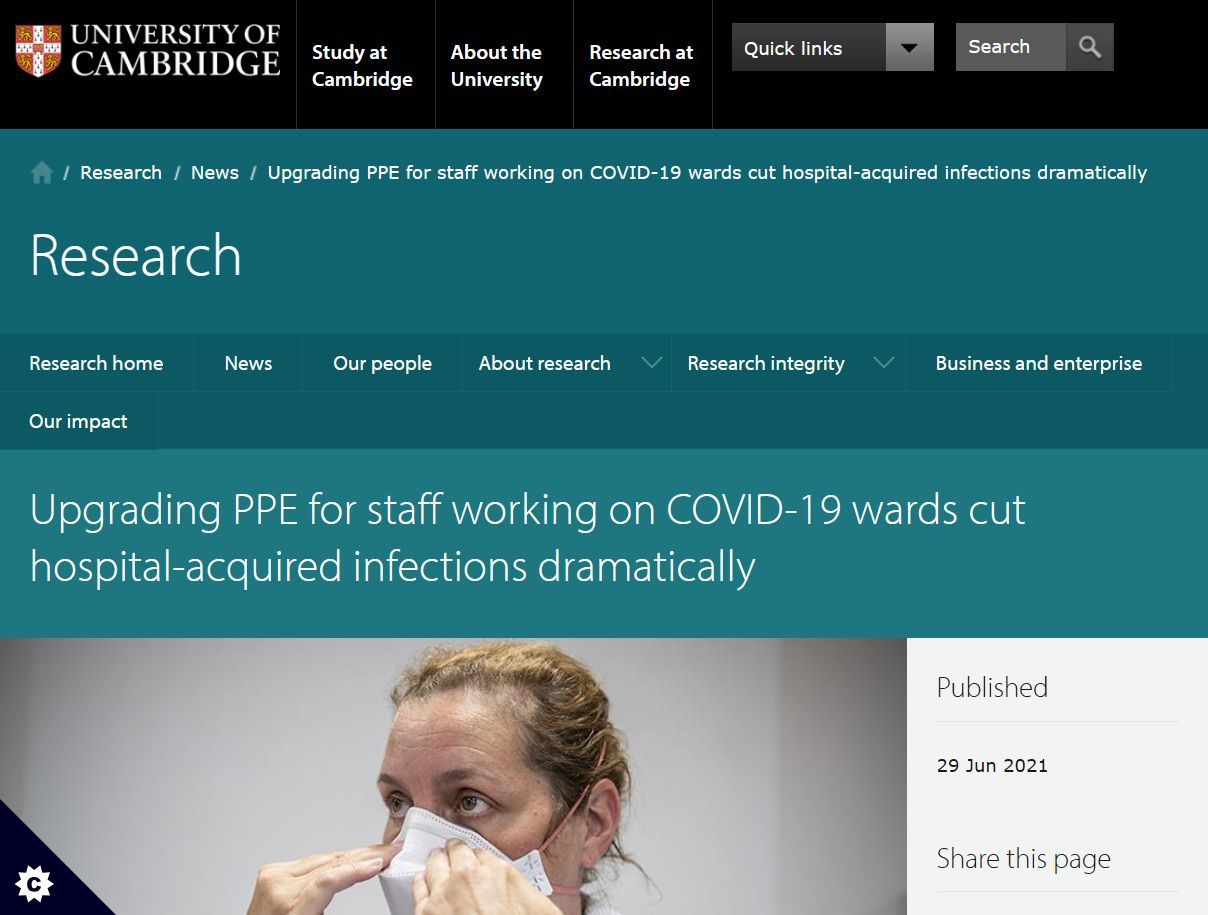
by University of Cambridge / Cambridge University Hospitals (CUH) NHS Foundation Trust 29 June 2021
‘When Addenbrooke’s Hospital in Cambridge upgraded its face masks for staff working on COVID-19 wards to Filtering Face Piece 3 (FFP3) respirators, it saw a dramatic fall – up to 100% – in hospital-acquired SARS-CoV-2 infections among these staff.’
by The Royal College of Nursing (RCN/UK) and The British Medical Association (BMA) 21 January 2021
‘Our very serious concerns relate to the risk of aerosol/airborne infection; RCN and BMA members working in all settings are raising concerns that they are not adequately protected. Our members are concerned that fluid-repellent surgical face masks [FRSM] and face coverings, as currently advised in most general healthcare settings, do not protect against smaller more infective aerosols. ’
by Professor Geoffrey Hughes, MB BS, DRCOG, FFAEM, FRCP, FACEM / Emergency Medicine Journal 23 April 2007
❦ ‘First do no harm, “ primum non nocere ”, is a doctrine as old as medicine itself, frequently but probably inaccurately attributed to Hippocrates, the wise old man of our profession. Prevention of injury and illness is another significant aspect of medical practice. The profound impacts it has had on society, largely taken for granted in the industrialised world but less so elsewhere, are extraordinary; immunisation , sanitation , screening programmes , road safety initiatives – the list goes on – have changed our lives to degrees unimaginable even 30, let alone 100 years ago. Although it is an important component of our profession, it is underplayed in both training and our day‐to‐day activity . It is encouraging to know that it will be part of our new curriculum, despite the time constraints and rationalisation imposed by the modernising medical careers platform...’ ❂ 📖 (23 Apr 2007 ~ Geoffrey Hughes / Emergency Medicine Journal) First do no harm; then try to prevent it ➤ © 2007 Geoffrey Hughes / Emergency Medicine Journal.

More... on Xxx


by C19.Life... et al 29 September 2025
‘The arrival of the Omicron variant marked a major shift, introducing numerous extra mutations in the spike gene compared with earlier variants. Before Omicron, natural infection provided strong and durable protection against reinfection, with minimal waning over time. However, during the Omicron era, protection was robust only for those recently infected, declining rapidly over time and diminishing within a year.’