A Raven’s Overview
‘In people with pre-existing dementia, SARS-CoV-2 infection is repeatedly associated with faster cognitive decline.
For families, that can mean the difference between years at home and a rapid fall over months.’
✾
❦ On fatal silence
By Zdeněk Vrožina MBA (25 Jan 2026)
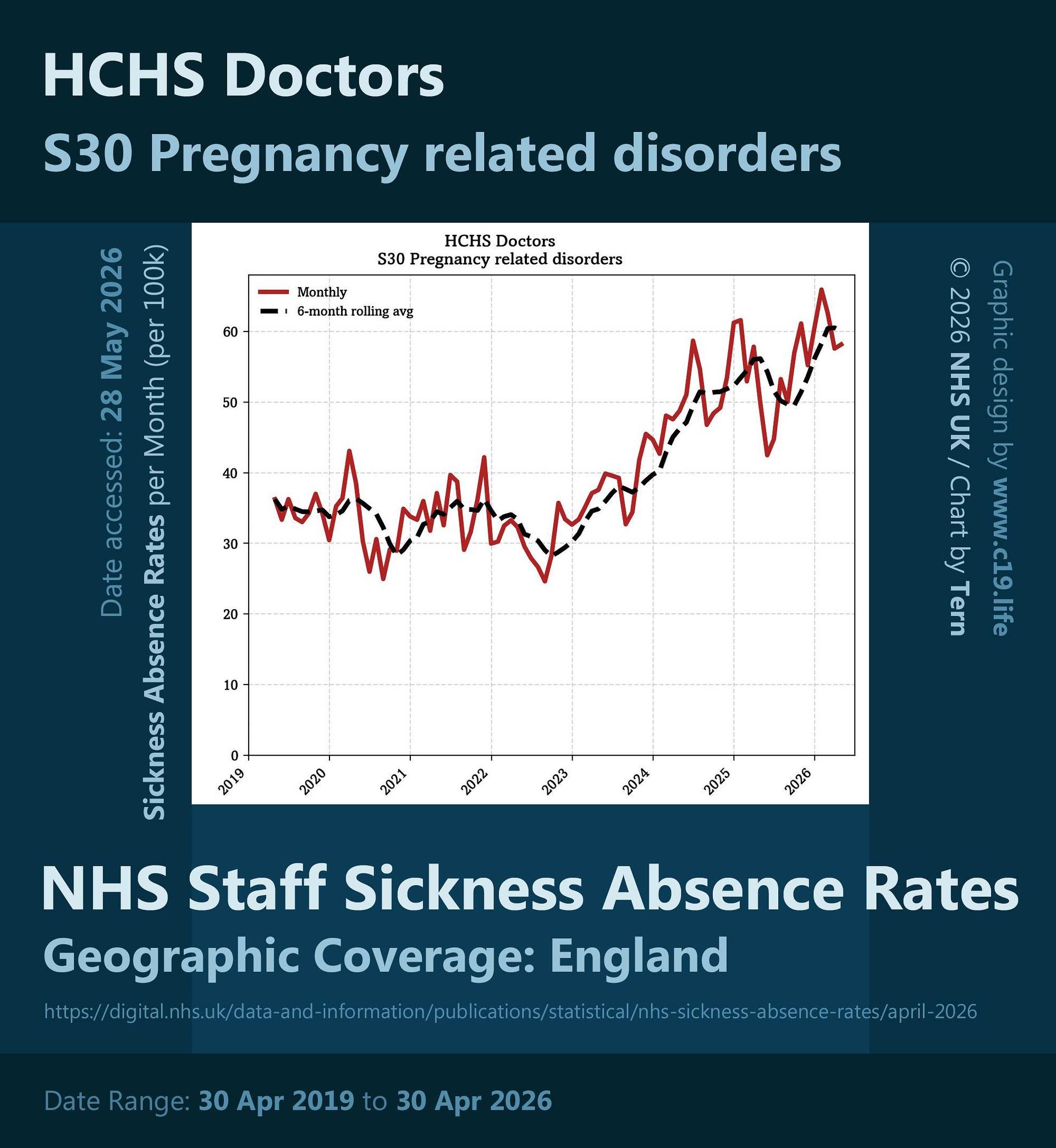
❦ ‘1. COVID-19 infection during pregnancy is not a neutral event.
Inflammation, viral proteins, and especially COVID-specific impairment of placental blood-flow can affect fetal development – and abnormalities in exposed newborns are being reported with increasing consistency across studies.
That infection during pregnancy increases the risk of neurodevelopmental difficulties – in speech, motor skills, attention, and learning – has been known in public-health and medical circles for years.
Mothers were simply not told.
This wasn’t ignorance. It was a decision to downplay the risk.
‘That infection during pregnancy increases the risk of neurodevelopmental difficulties – in speech, motor skills, attention, and learning – has been known in public-health and medical circles for years.’
❦ 2. Are you constantly sick since COVID? Are your children?
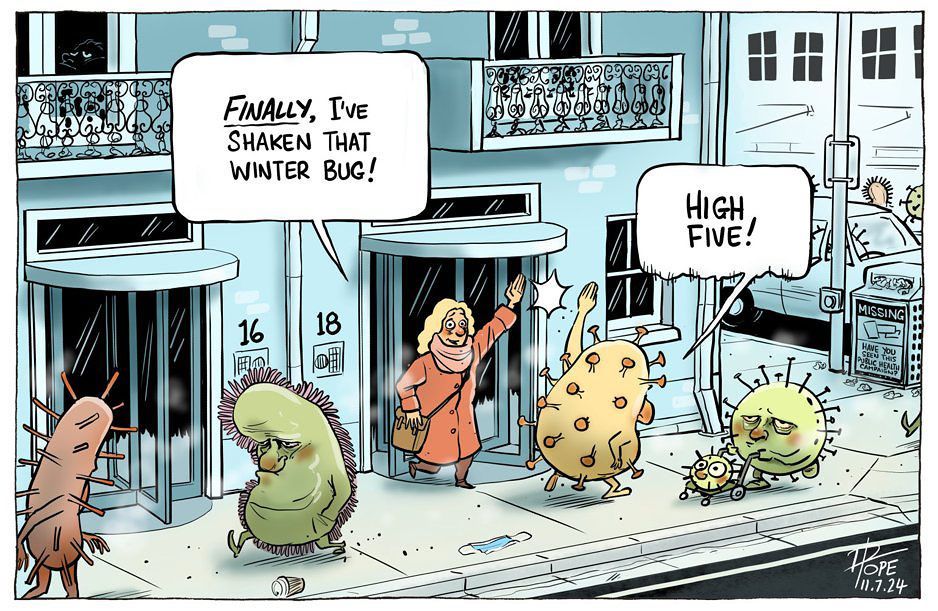
Public health may have avoided telling you an uncomfortable truth – for many people, after SARS-CoV-2 infection, the immune system does not work the same way as before.
Changes in immune-cell numbers, functional exhaustion, and impaired co-ordination between innate and adaptive immunity mean one thing – infections that used to pass in the background now last longer, recur, or come in chains.
Recovery of immune function is uncertain.
‘Changes in immune-cell numbers, functional exhaustion, and impaired co-ordination between innate and adaptive immunity mean one thing – infections that used to pass in the background now last longer, recur, or come in chains.’
❦ 3. “Kids will be fine.”
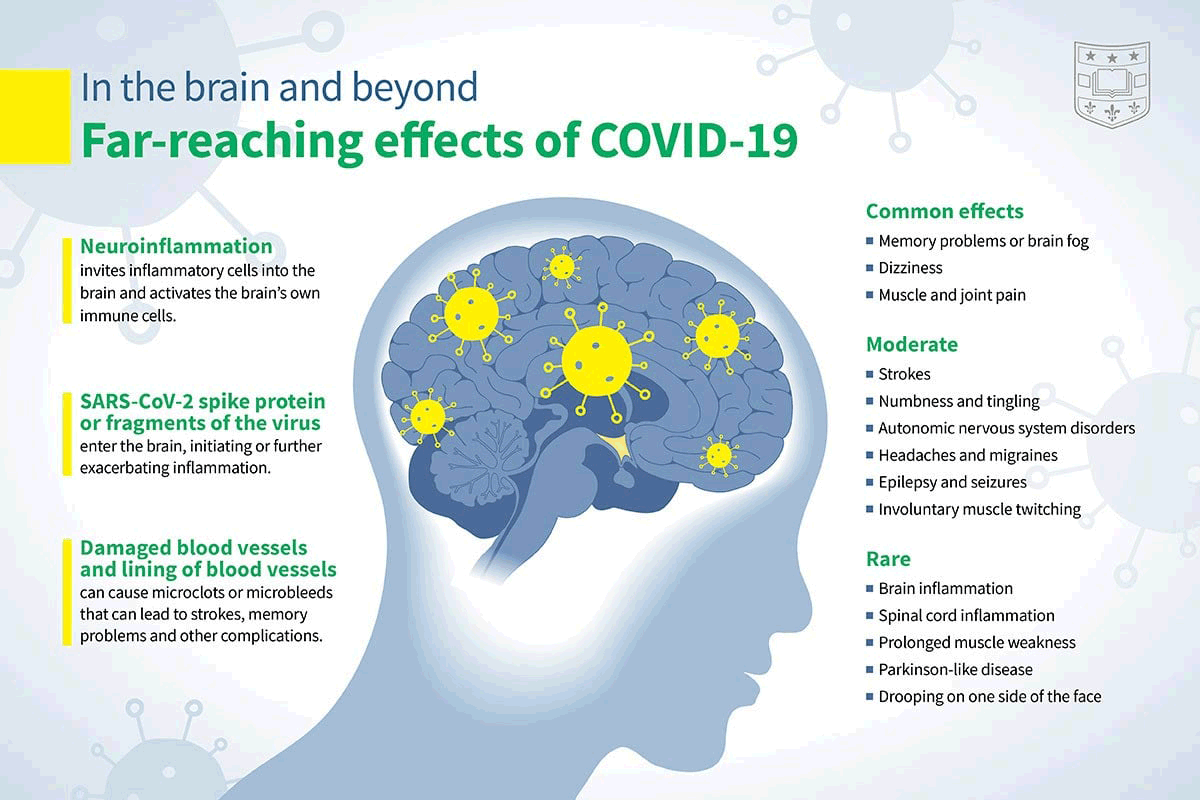
It sounded reassuring. But public health knew that infection-induced neuroinflammation and vascular changes can affect cognition – in children as well as adults.
They didn’t tell you.
And now the consequences are already visible in schools – worse attention, slower information processing, higher cognitive fatigue, and measurable declines in standardized cognitive scores, including IQ.
If prevention of repeated infections in schools is ignored, children will carry the burden.
Not moral consequences. Biological ones.
‘And now the consequences are already visible in schools – worse attention, slower information processing, higher cognitive fatigue, and measurable declines in standardized cognitive scores, including IQ.’
❦ 4. Depression. A trendy explanation for the surge in mental-health problems among children.
But the data don’t fully support that story.
Multiple follow-up studies show that the risk of depression, anxiety, and mood disorders is significantly and consistently higher in children who had SARS-CoV-2 infection.
This is not a uniform pandemic stress effect. It’s not mainly lockdowns, smartphones, or social media.
Infection itself is an independent biological risk factor.
And the neuro-immune mechanisms – neuroinflammation, altered serotonin and dopamine pathways, HPA-axis disruption – have been described in the literature for years.
They just weren’t communicated to the public.
‘Multiple follow-up studies show that the risk of depression, anxiety, and mood disorders is significantly and consistently higher in children who had SARS-CoV-2 infection.
And the neuro-immune mechanisms – neuroinflammation, altered serotonin and dopamine pathways, HPA-axis disruption – have been described in the literature for years.’
❦ 5. After every major COVID wave, the same pattern appears – first the respiratory phase… then cardiovascular aftershocks – clots, heart attacks, strokes.
At the individual level, it’s even clearer.
After a mild COVID infection, there is a higher relative risk of cardiovascular complications – ischemic heart disease, arrhythmias, thrombosis, stroke.
The most frustrating part?
These are often working-age adults. One infection increases the probability of an event that can change the rest of your life.
‘After every major COVID wave, the same pattern appears – first the respiratory phase… then cardiovascular aftershocks – clots, heart attacks, strokes.’
And prevention was simple.
If public health had openly said that risk exists even after mild COVID, some people might have avoided life-long consequences.
Instead, the system failed the very people who fund it.
‘At the individual level, it’s even clearer. After a mild COVID infection, there is a higher relative risk of cardiovascular complications – ischemic heart disease, arrhythmias, thrombosis, stroke.’
❦ 6. And don’t assume cardiovascular effects spare children. They don’t.
A growing number of studies show that even previously healthy children can have subclinical cardiac changes after SARS-CoV-2 infection.
Invisible. Not routinely screened. But biologically real. A ten-year-old not having a heart attack does not mean nothing happened.
❦ 7. For people who don’t yet have cancer, a single SARS-CoV-2 infection can disrupt anti-tumor immune surveillance, beyond the acute phase.
For patients who already have cancer, COVID is well documented to complicate oncologic care and worsen outcomes – through biological stress, immune disruption, reduced tolerance.
This is not new information.
What’s new is that patients were rarely told that reducing infection risk is part of protecting prognosis.
Prevention wasn’t impossible. It was withheld.
‘For patients who already have cancer, COVID is well documented to complicate oncologic care and worsen outcomes – through biological stress, immune disruption, reduced tolerance.’
❦ 8. What about your parents? Did you notice a sudden decline in memory, orientation, speech, or attention after COVID?
In people with pre-existing dementia, SARS-CoV-2 infection is repeatedly associated with faster cognitive decline.
For families, that can mean the difference between years at home and a rapid fall over months.
‘In people with pre-existing dementia, SARS-CoV-2 infection is repeatedly associated with faster cognitive decline.
For families, that can mean the difference between years at home and a rapid fall over months.’
At the population level, studies also show an increased risk of new dementia diagnoses after infection. For older adults, a single infection can accelerate the trajectory of decline.
Silence from public health fills nursing homes and clinics faster than anything else.
❦ 9. Repeated infections?
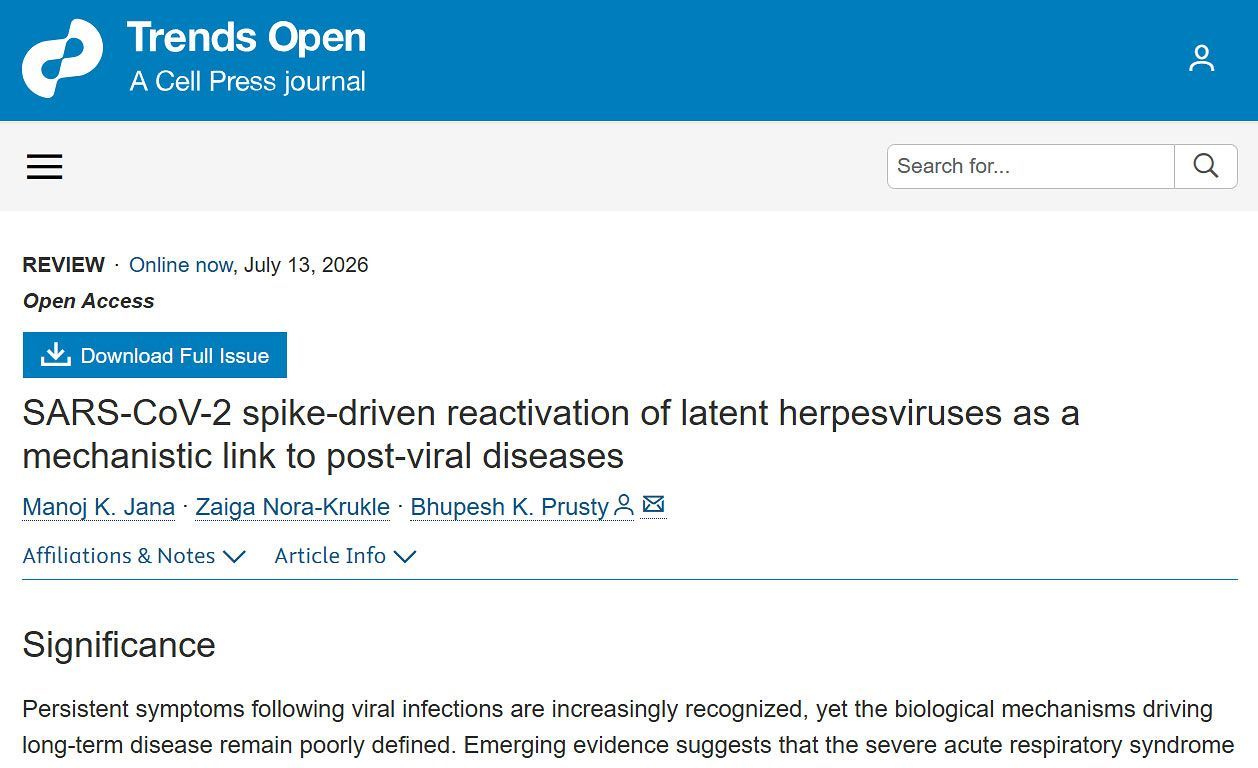
Herd exposure as immune training stopped making sense once immune dysregulation became clear. After SARS-CoV-2 infection, parts of the immune system may no longer function normally.
Weakened interferon responses, impaired antigen presentation via MHC-I, exhausted T cells, disrupted immune surveillance.
Public health has known this for years. They didn’t tell you.
And that’s why each additional infection is no longer neutral – it’s another hit to a system that has already lost balance.
‘Herd exposure as immune training stopped making sense once immune dysregulation became clear.
Weakened interferon responses, impaired antigen presentation via MHC-I, exhausted T cells, disrupted immune surveillance.
Public health has known this for years.’
❦ 10. This essay is about information that already existed. Public health had it. The public did not.
Without information, there is no informed choice. Only consequences.
This wasn’t about people refusing to protect themselves. They were never told why it mattered. When you hide risk, you don’t take away freedom. You take away the chance to choose.
‘Without information, there is no informed choice. Only consequences.’
The greatest failure of the pandemic was not the virus. It was the silence.
The consequences are not a few weeks of fatigue. A significant share of people are now living in a chronic, often progressive condition.
The estimated price tag of $3.7 trillion in the United States. Approximately 1 trillion CZK in the Czech Republic.
Public health silence has translated into a permanent loss of functional capacity across society – lower labor-force participation, reduced productivity, and measurable drag on GDP.
Never in modern history has such a small number of decision-makers, through flawed public-health choices, caused damage on this scale.’
‘Public health silence has translated into a permanent loss of functional capacity across society – lower labor-force participation, reduced productivity, and measurable drag on GDP.
Never in modern history has such a small number of decision-makers, through flawed public-health choices, caused damage on this scale.’
✾
✾
More on... Public Health

More... Essays and Comment