On the ‘Alpha’ Variant of Concern (VOC): 📖 A letter to Sarah Albon, UK Health and Safety Executive (HSE), from the Royal College of Nursing (RCN) and the British Medical Association (BMA)
‘Our very serious concerns relate to the risk of aerosol/airborne infection; RCN and BMA members working in all settings are raising concerns that they are not adequately protected.
Our members are concerned that fluid-repellent surgical face masks [FRSM] and face coverings, as currently advised in most general healthcare settings, do not protect against smaller more infective aerosols.’
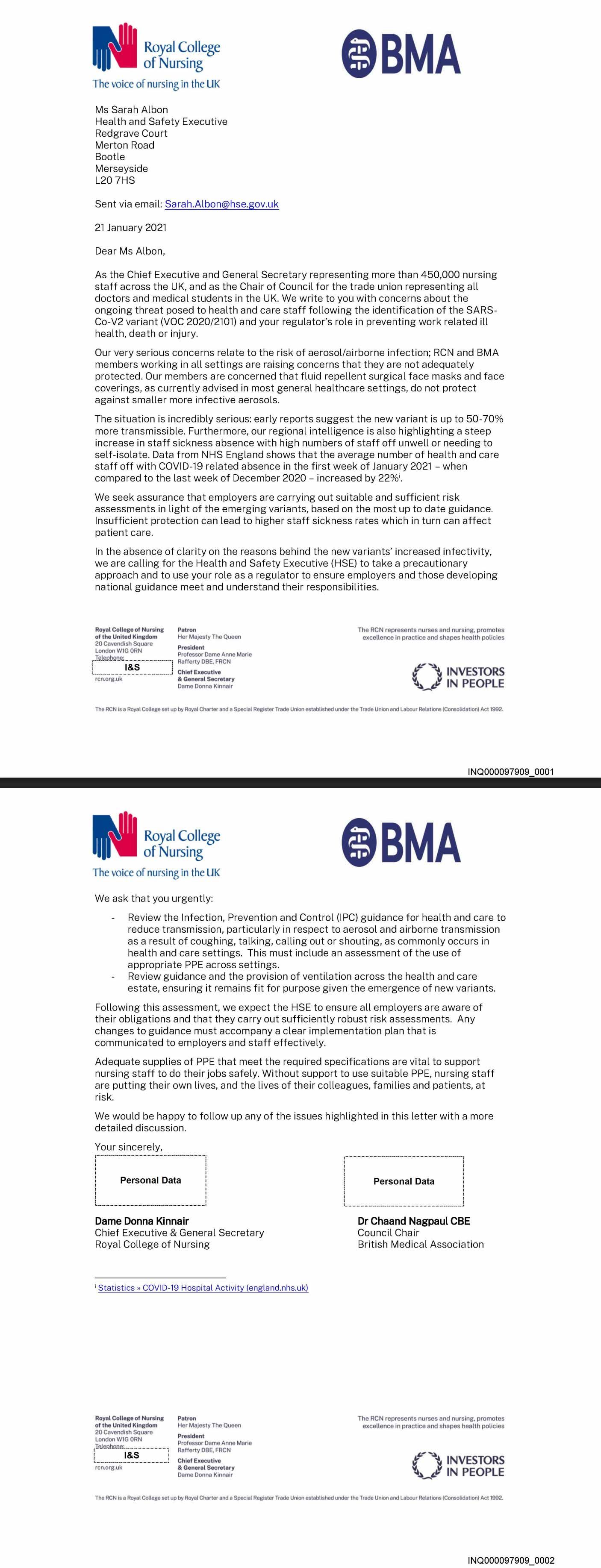
📖 (21 Jan 2021) ~ On the ‘Alpha’ Variant of Concern (VOC): A letter to Sarah Albon, Health and Safety Executive (HSE), from the Royal College of Nursing (RCN) and the British Medical Association (BMA).
© 2021 Royal College of Nursing of the United Kingdom (RCN) / British Medical Association (BMA).
❦ Letter ~ ‘To Sarah Albon, Health and Safety Executive (HSE UK), from the Royal College of Nursing (RCN) and the British Medical Association (BMA)’
By Dame Donna Kinnair (RCN) / Dr. Chaand Nagpaul CBE (BMA)
(21 Jan 2021)
Ms Sarah Albon
Health and Safety Executive
Redgrave Court
Merton Road
Bootle
Merseyside
L20 7HS
Sent via email: Sarah.Albon@hse.gov.uk
21 January 2021
Dear Ms. Albon,
As the Chief Executive and General Secretary representing more than 450,000 nursing staff across the UK, and as the Chair of Council for the trade union representing all doctors and medical students in the UK.
We write to you with concerns about the on-going threat posed to health and care staff following the identification of the SARSCoV2 variant (VOC 2020/2021) and your regulator’s role in preventing work-related ill health, death or injury.
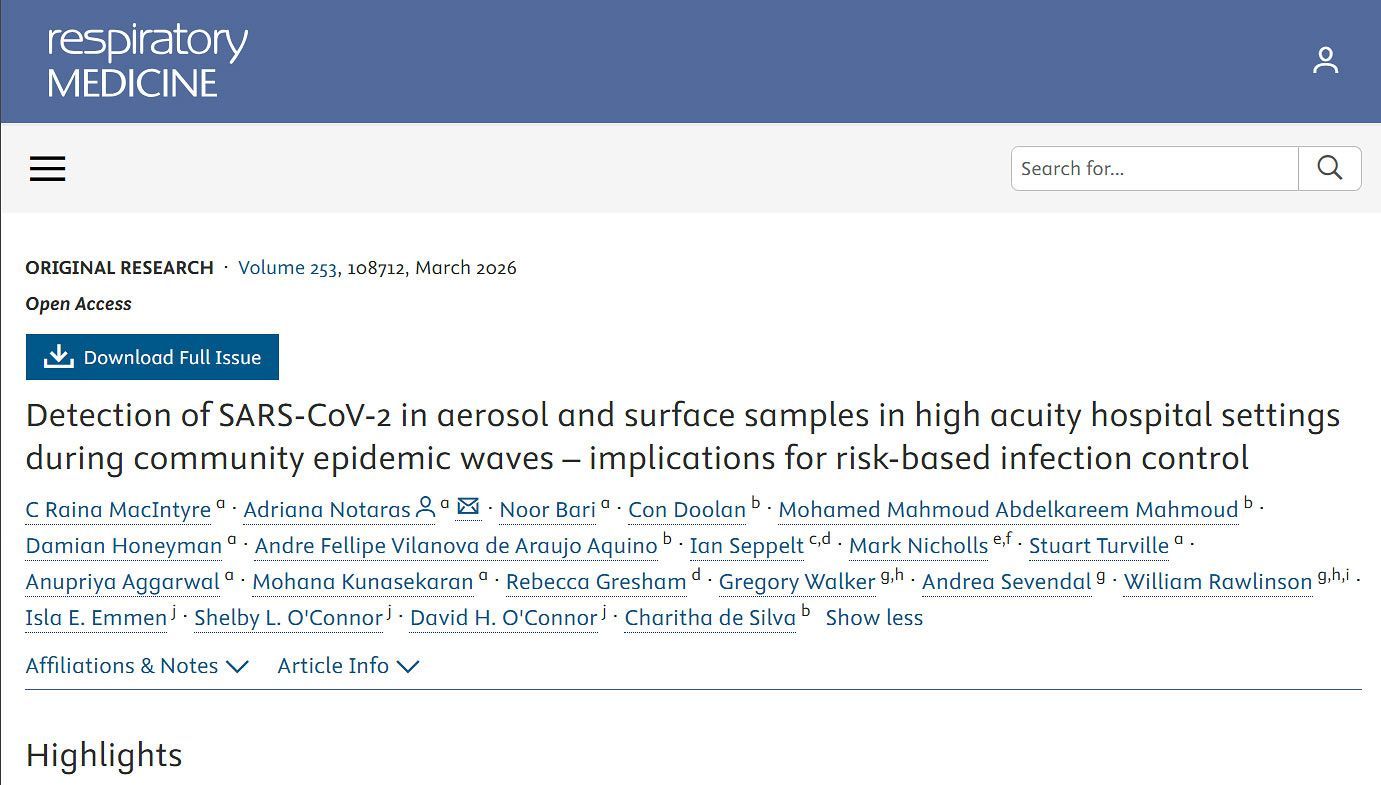
Our very serious concerns relate to the risk of aerosol/airborne infection; RCN and BMA members working in all settings are raising concerns that they are not adequately protected.
Our members are concerned that fluid-repellent surgical face masks [FRSM] and face coverings, as currently advised in most general healthcare settings, do not protect against smaller more infective aerosols.
The situation is incredibly serious: early reports suggest the new variant is up to 50-70% more transmissible.
Furthermore, our regional intelligence is also highlighting a steep increase in staff sickness absence with high numbers of staff off unwell or needing to self-isolate.
Data from NHS England shows that the average number of health and care staff off with COVID-19 related absence in the first week of January 2021 – when compared to the last week of December 2020 – increased by 22%.
We seek assurance that employers are carrying out suitable and sufficient risk assessments in light of the emerging variants, based on the most up-to-date guidance.
Insufficient protection can lead to higher staff sickness rates which in turn can affect patient care.
In the absence of clarity on the reasons behind the new variant’s increased infectivity, we are calling for the Health and Safety Executive (HSE) to take a precautionary approach and to use your role as a regulator to ensure employers and those developing national guidance meet and understand their responsibilities.
We ask that you urgently:
✺ Review the Infection, Prevention and Control (IPC) guidance for health and care to reduce transmission, particularly in respect to aerosol and airborne transmission as a result of coughing, talking, calling out or shouting, as commonly occurs in health and care settings.
This must include an assessment of the use of appropriate PPE across settings.
✺ Review guidance and the provision of ventilation across the health and care estate, ensuring it remains fit for purpose given the emergence of new variants.
Following this assessment, we expect the HSE to ensure all employers are aware of their obligations and that they carry out sufficiently robust risk assessments.
Any changes to guidance must accompany a clear implementation plan that is communicated to employers and staff effectively.
Adequate supplies of PPE that meet the required specifications are vital to support nursing staff to do their jobs safely.
Without support to use suitable PPE, nursing staff are putting their own lives, and the lives of their colleagues, families, and patients at risk.
We would be happy to follow up any of the issues highlighted in this letter with a more detailed discussion.
Your sincerely,
Dame Donna Kinnair
Chief Executive & General Secretary
Royal College of Nursing
Dr Chaand Nagpaul CBE
Council Chair
British Medical Association
✾
📖 (21 Jan 2021
~
Royal College of Nursing / British Medical Association)
A letter to Sarah Albon, Health and Safety Executive (HSE), from the Royal College of Nursing (RCN) and the British Medical Association (BMA) ➤
[PDF]
✾
Also see...
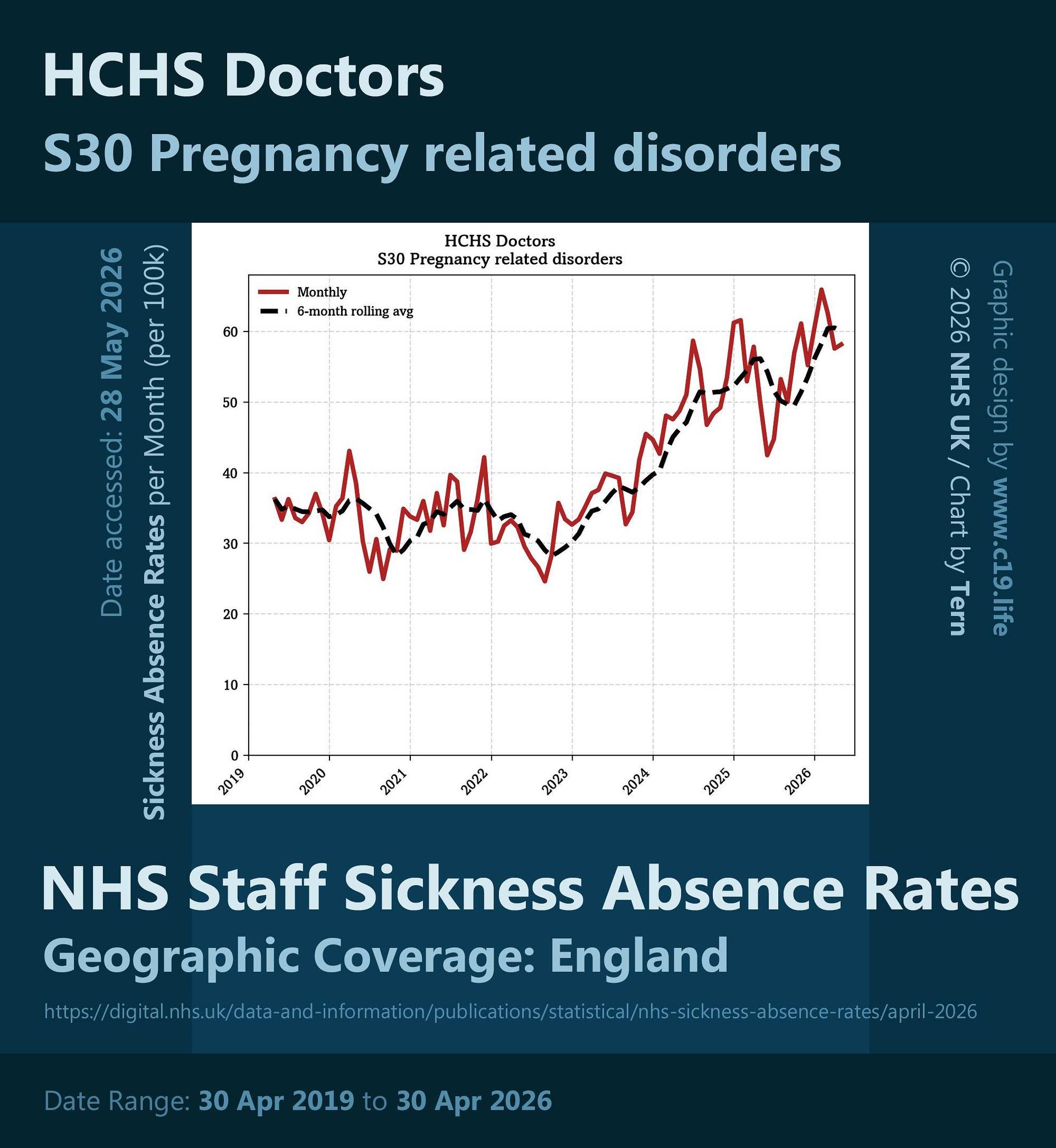

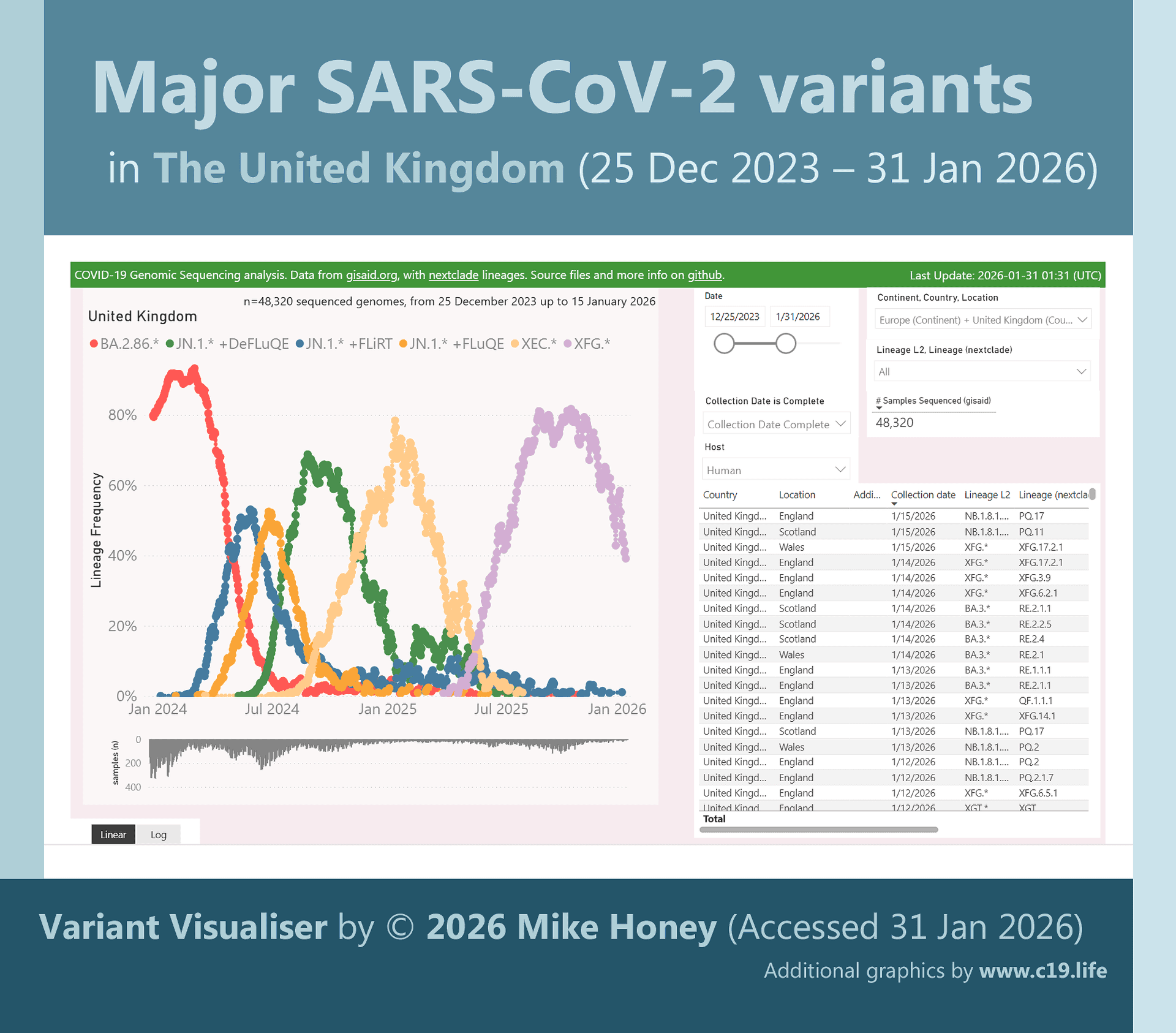





📖 A rapid review of Supplementary air filtration systems in health service settings. September 2022.