📖 Long COVID [PASC] associated with SARS-CoV-2 reinfection among children and adolescents in the Omicron era (RECOVER-EHR): a retrospective cohort study
‘Children and adolescents face a significantly higher risk of various PASC outcomes after reinfection with SARS-CoV-2.
Our paediatric findings also align with adult studies.
Research in adults shows that long COVID [PASC] symptoms often worsen with repeated infections, suggesting potential shared mechanisms across age groups.’
✾
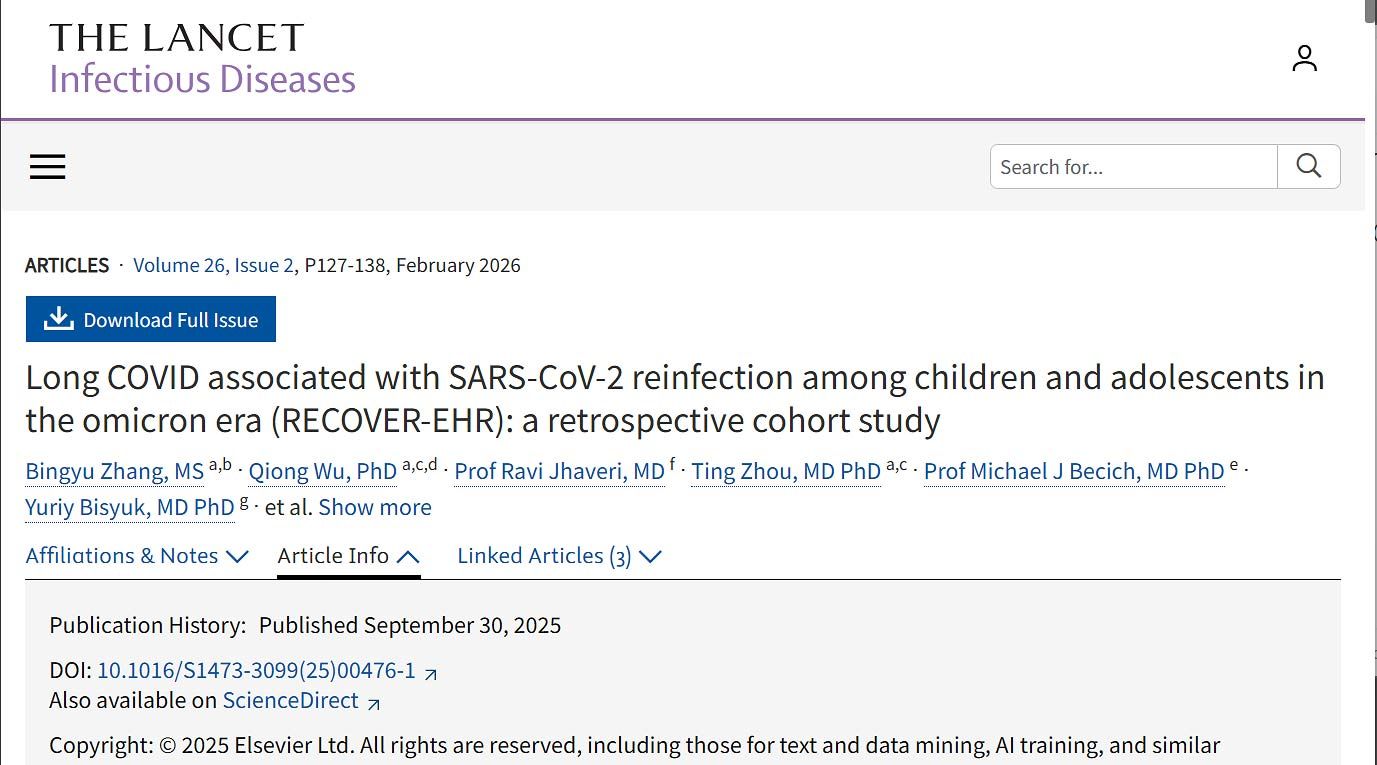
‘Long COVID associated with SARS-CoV-2 reinfection among children and adolescents in the Omicron era (RECOVER-EHR): a retrospective cohort study’.
© 2025 Zhang et al / The Lancet: Infectious Diseases.
❦ Long COVID associated with SARS-CoV-2 reinfection among children and adolescents in the Omicron era (RECOVER-EHR): a retrospective cohort study
By Zhang et al / The Lancet: Infectious Diseases (30 Sep 2025)
[Abridged]
❦ Summary: Background
‘Post-acute sequelae of SARS-CoV-2 infection (PASC) remain a major public health challenge.
*Although previous studies have focused on characterising PASC in children and adolescents after an initial infection, the risks of PASC after reinfection with the Omicron variant remain unclear.* We aimed to assess the risk of PASC diagnosis (U09.9) and symptoms and conditions potentially related to PASC in children and adolescents after a SARS-CoV-2 reinfection during the Omicron period.
* If you are unused to reading scientific papers, this initial statement provides the justification for this study – and is answered, with any reservations, during the course of the article.
Methods
This retrospective cohort study used data from 40 children’s hospitals and health institutions in the USA participating in the Researching COVID to Enhance Recovery (RECOVER) Initiative.
We included patients younger than 21 years at the time of cohort entry; with documented SARS-CoV-2 infection after Jan 1, 2022; and who had at least one healthcare visit within 24 months to 7 days before the first infection.
The second SARS-CoV-2 infection was confirmed by positive PCR, antigen tests, or a diagnosis of COVID-19 that occurred at least 60 days after the first infection.
Findings
We identified 407, 300 (87·5%) of 465, 717 eligible children and adolescents with a first infection episode and 58, 417 (12·5%) with a second infection episode from Jan 1, 2022, to Oct 13, 2023, in the RECOVER database. 233, 842 (50·2%) patients were male and 231, 875 (49·8%) were female.
‘The mean age was 8·17 years.
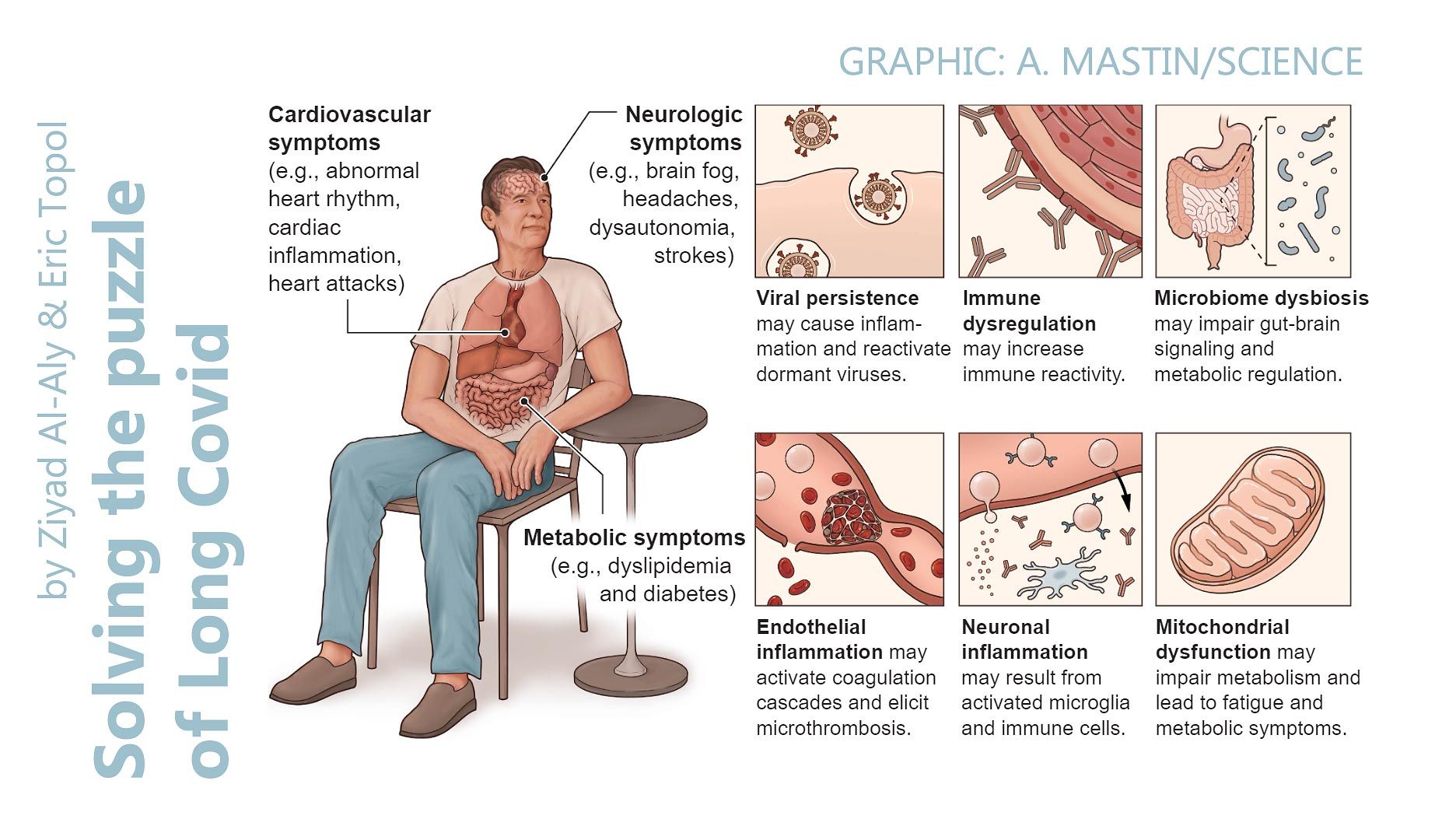
Reinfection was associated with a significantly increased risk of an overall PASC diagnosis (U09.9) (RR 2·08* [1·68–2·59]) and a range of symptoms and conditions potentially related to PASC (RR range 1·15–3·60), including myocarditis, changes in taste and smell, thrombophlebitis and thromboembolism, heart disease, acute kidney injury, fluid and electrolyte disturbance, generalised pain, arrhythmias, abnormal liver enzymes, chest pain, fatigue and malaise, headache, musculoskeletal pain, abdominal pain, mental ill health, POTS or dysautonomia, cognitive impairment, skin conditions, fever and chills, respiratory signs and symptoms, and cardiovascular signs and symptoms.’
* RR 2.08 = Reinfection with SARS-CoV-2 approximately doubles the risk of a PASC diagnosis in this studied cohort of children.
Interpretation
‘Children and adolescents face a significantly higher risk of various PASC outcomes after reinfection with SARS-CoV-2.’
These findings add to previous evidence linking paediatric long COVID to multi-system effects and highlight the need to promote vaccination in younger populations and support on-going research to better understand PASC, identify high-risk subgroups, and improve prevention and care strategies.
❦ Introduction
Since the onset of the COVID-19 pandemic, post-acute sequelae of SARS-CoV-2 infection (PASC, also known as long COVID) has emerged as a pronounced global concern with substantial long-term health effects in adults and children.
Defined by the US National Institutes of Health (NIH) and Centers for Disease Control and Prevention (CDC) as new or on-going health problems persisting at least 4 weeks after infection, PASC spans a wide range of symptoms and syndromes affecting multiple organ systems.
Although existing research has characterised the clinical features and burden of PASC in adults and children, the clinical presentation differs markedly between these populations.
‘In adults, PASC often includes respiratory, cardiovascular, and neurocognitive sequelae, whereas children and adolescents tend to have more heterogeneous and non-specific symptoms, such as fatigue, mood changes, dizziness, and abdominal pain.’
Understanding how PASC manifests in children is crucial for improving diagnosis, treatment, and long-term monitoring.
‘With the emergence of Omicron (B.1.1.529) variants, SARS-CoV-2 reinfections have markedly increased, likely due to the immune-evasive and fast-spreading nature of Omicron variants, the generally milder acute presentation compared with earlier variants, and a declining booster uptake in the UK and USA.’
This shift in the pandemic landscape has led to uncertainties regarding the risk of PASC after reinfection, particularly by Omicron.
‘Understanding the long-term consequences of reinfection is crucial, as even mild or asymptomatic cases could contribute to substantial morbidity.’
In adult populations, several observational studies have investigated the risk of PASC after reinfection. [15–19]
‘Most found that individuals with reinfection had a higher risk of developing PASC compared with those with a single infection, and that the risk increased with the number of infections.’
Evidence on the effect of reinfection on PASC risk in paediatric populations remains scarce.
Five studies focused on children and adolescents, most of which relied on survey data with small sample sizes and insufficient adjustment for confounding factors.
Notably, three of those studies focused on the Omicron period [20–22] but were based on self-reported outcomes and did not have clinically verified diagnoses or detailed information on comorbidities or healthcare utilisation.
These studies generally reported no significant difference in risk of PASC between children with reinfection and those with only one infection, but the interpretation of these findings could be restricted by the small sample size and insufficient statistical power.
❦ Added value of this study
To our knowledge, this study is the first and largest electronic health record (EHR)-based cohort to comprehensively evaluate the risk of PASC after SARS-CoV-2 reinfection with the Omicron variant (B.1.1.529) among children and adolescents.
This study extends the literature on PASC symptom development beyond the early pandemic period (March 2020 to December 2021).
❦ Implications of all the available evidence
The growing frequency of SARS-CoV-2 reinfections in the Omicron era underscores the need to understand their long-term consequences.
Our findings indicate that PASC risk persists after reinfection in children and adolescents, although the magnitude might vary by previous infection history, severity, and vaccination status.
These results suggest that reinfections might contribute to cumulative morbidity.
On-going long-term follow-up is essential for informing clinical care and public health strategies to mitigate the paediatric burden of long COVID.
❦ Discussion
In this study involving 465, 717 individuals, we observed an increased risk of PASC across multiple organ systems after SARS-CoV-2 reinfection, reinforcing concerns about the long-term consequences of reinfection.
These findings emphasise the on-going risk of PASC with reinfection, regardless of severity, and suggest that the risk of PASC might be cumulative with each successive infection.
Our large and diverse cohort enables clinically verified outcomes, detailed covariate data, and extended follow-up.
This approach allowed us to isolate reinfection-specific risk and extends the literature on PASC development beyond the early pandemic period, which has been the primary focus of most paediatric studies to date.
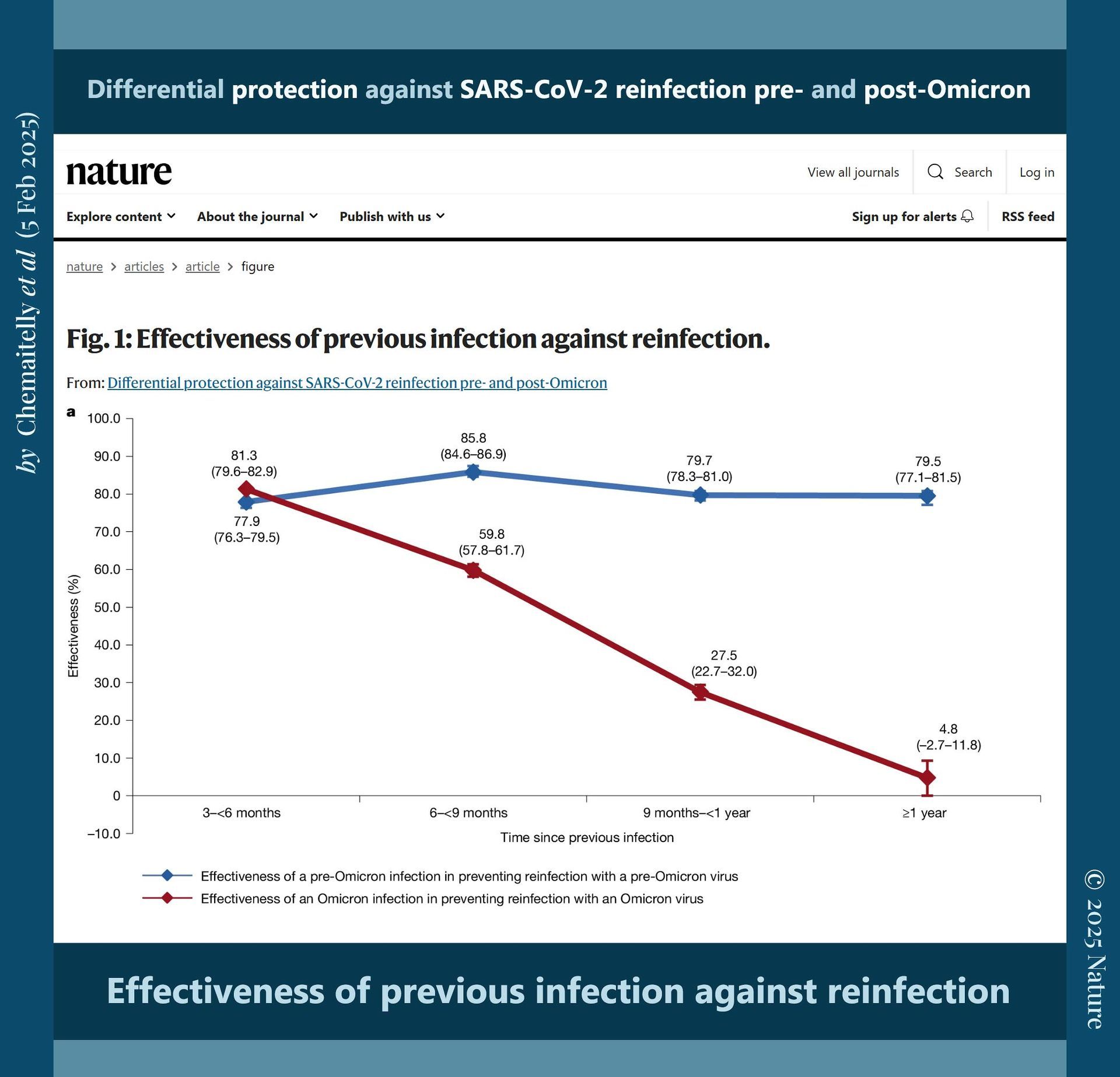
Our findings align with emerging evidence on immune-waning post-infection.
Although T-cell responses remain stable, neutralising antibody concentrations decline over time, possibly compromising immunity upon reinfection.
‘During the Omicron era, protection from natural infection diminished more rapidly, with reinfections becoming more common, especially among younger adults aged 18–49 years.
These dynamics elevate the need to understand reinfection risks in children, a group increasingly affected yet understudied in this context.’
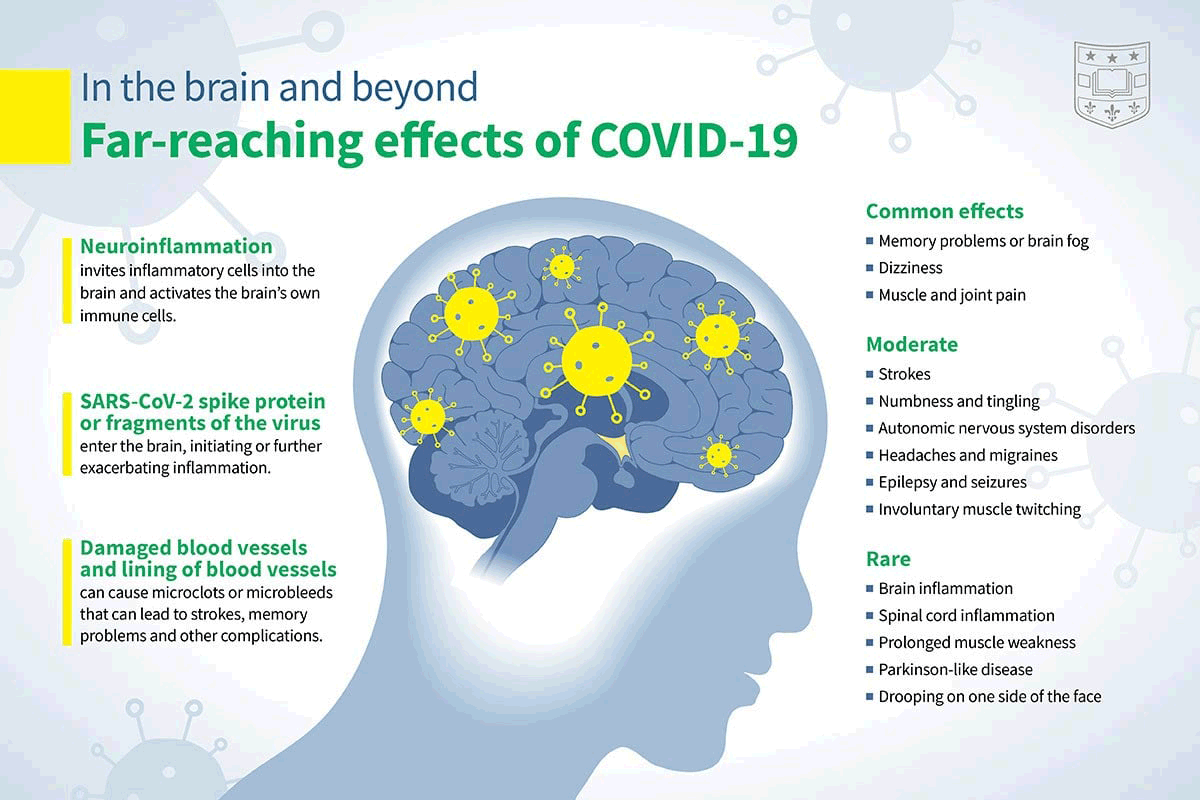
Previous paediatric studies further support the clinical relevance of our findings. Long COVID [PASC] in paediatric populations has been associated with proteomic biosignatures, POTS, exercise intolerance, vascular problems, and CNS [Central Nervous System] issues.
Our real-world data add to this literature by showing that post-acute sequelae persist across reinfections and continue to impose a measurable clinical burden.
‘Our paediatric findings also align with adult studies. Research in adults shows that long COVID [PASC] symptoms often worsen with repeated infections, suggesting potential shared mechanisms across age groups.’
These cross-population findings collectively emphasise the importance of on-going clinical vigilance, mechanistic research, and strategies to mitigate reinfection-related risk.
‘A previous study shows that immunisation can reduce PASC risk by preventing infections.
Persistently low paediatric vaccination rates, due to milder Omicron symptoms, delayed vaccine availability for those younger than 5 years, low booster uptake among older children, and public COVID-19 fatigue, remain a challenge.’
Strengthening public health messaging and expanding access to vaccination might help to reduce the burden of PASC in children.
This study has several limitations.
First, although SARS-CoV-2 testing was broadly accessible in the USA during the study period, with costs typically covered by insurance or federal programmes, results from at-home testing were not systematically captured in EHRs; therefore, some infections might be misclassified or missed, particularly for asymptomatic or mild cases.
In paediatric populations, test results are more likely to be documented during a clinical encounter or due to school and day-care requirements.
We mitigated this limitation by using PCR, antigen tests, and diagnosis codes, although some underdiagnosis might remain and could possibly bias estimates toward the null, making our findings more conservative.
‘In summary, this study shows an increased risk of PASC in children and adolescents after SARS-CoV-2 reinfection.’
These findings add to previous evidence linking
paediatric long COVID
[PASC]
to
multi-system effects
and highlight the need to
promote vaccination
in younger populations and support on-going research to better understand PASC, identify high-risk subgroups, and
improve prevention
and
care strategies.’
✾
📖 (30 Sep 2025 ~ The Lancet: Infectious Diseases) Long COVID associated with SARS-CoV-2 reinfection among children and adolescents in the Omicron era (RECOVER-EHR): a retrospective cohort study ➤
© 2025 Zhang et al / The Lancet: Infectious Diseases.
✾
More... on Babies, Children, and Reinfection