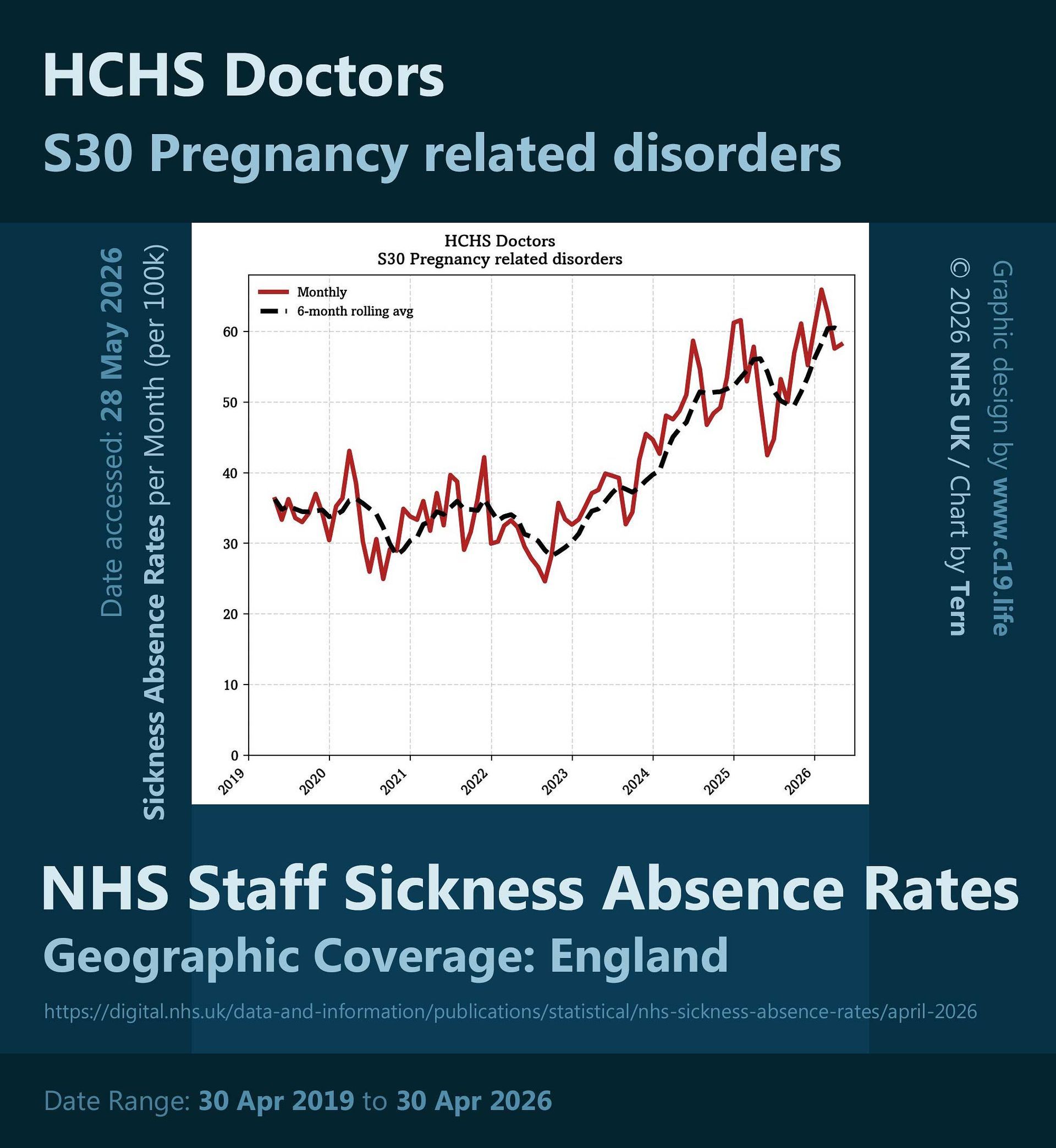
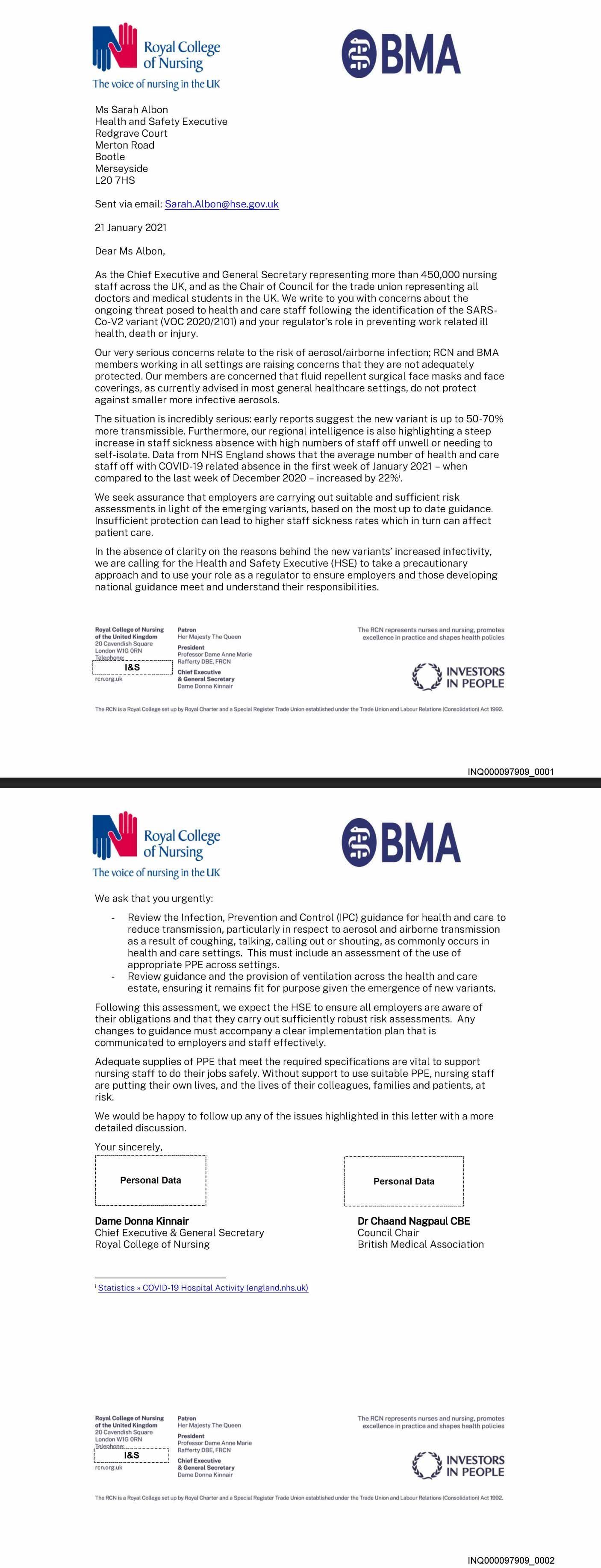
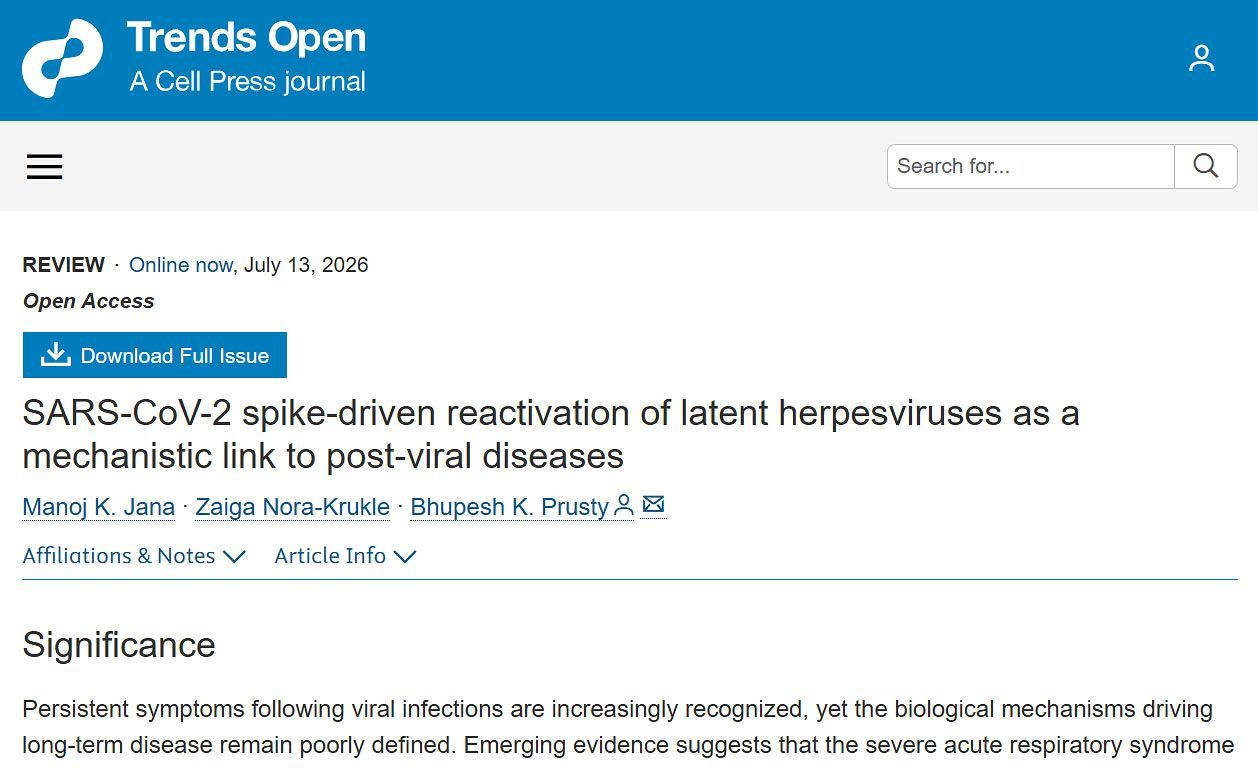
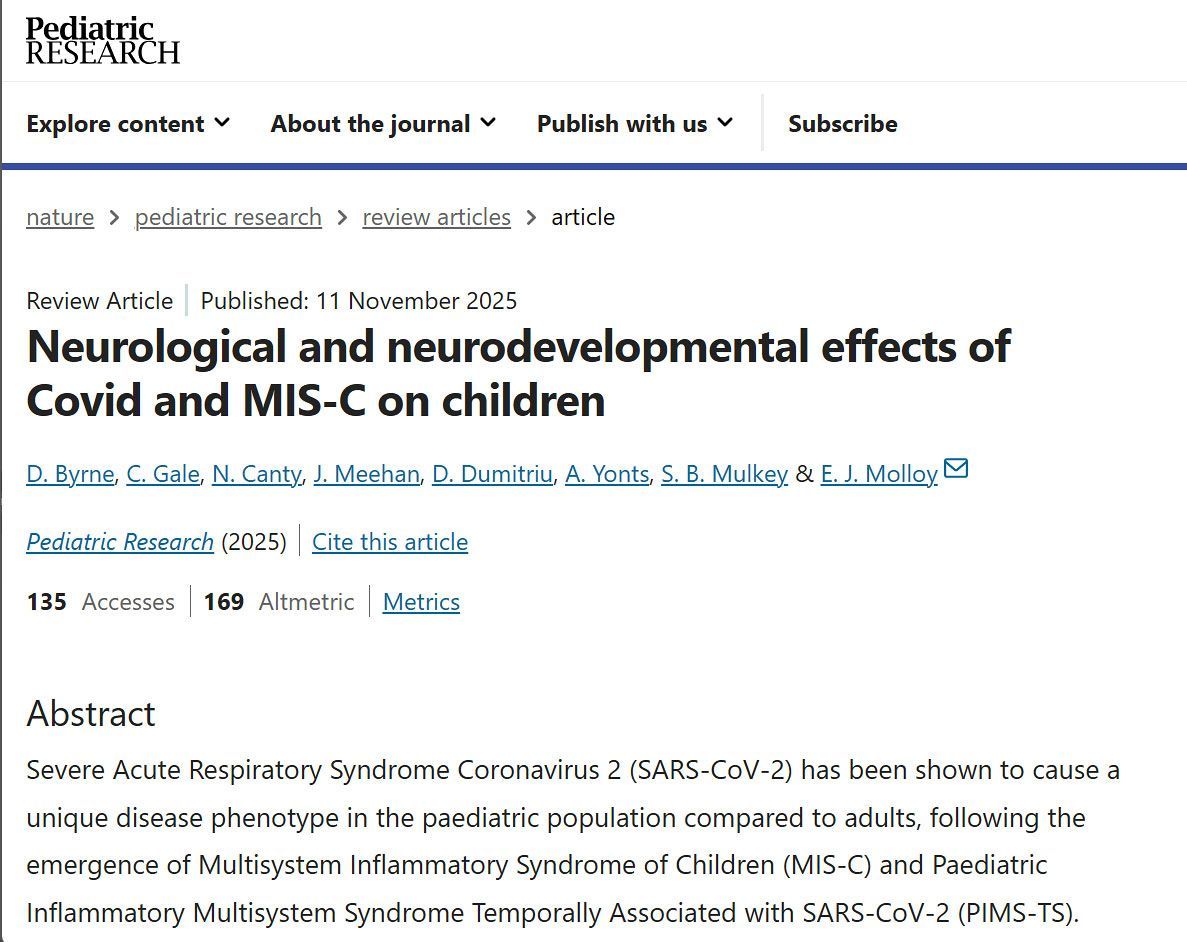
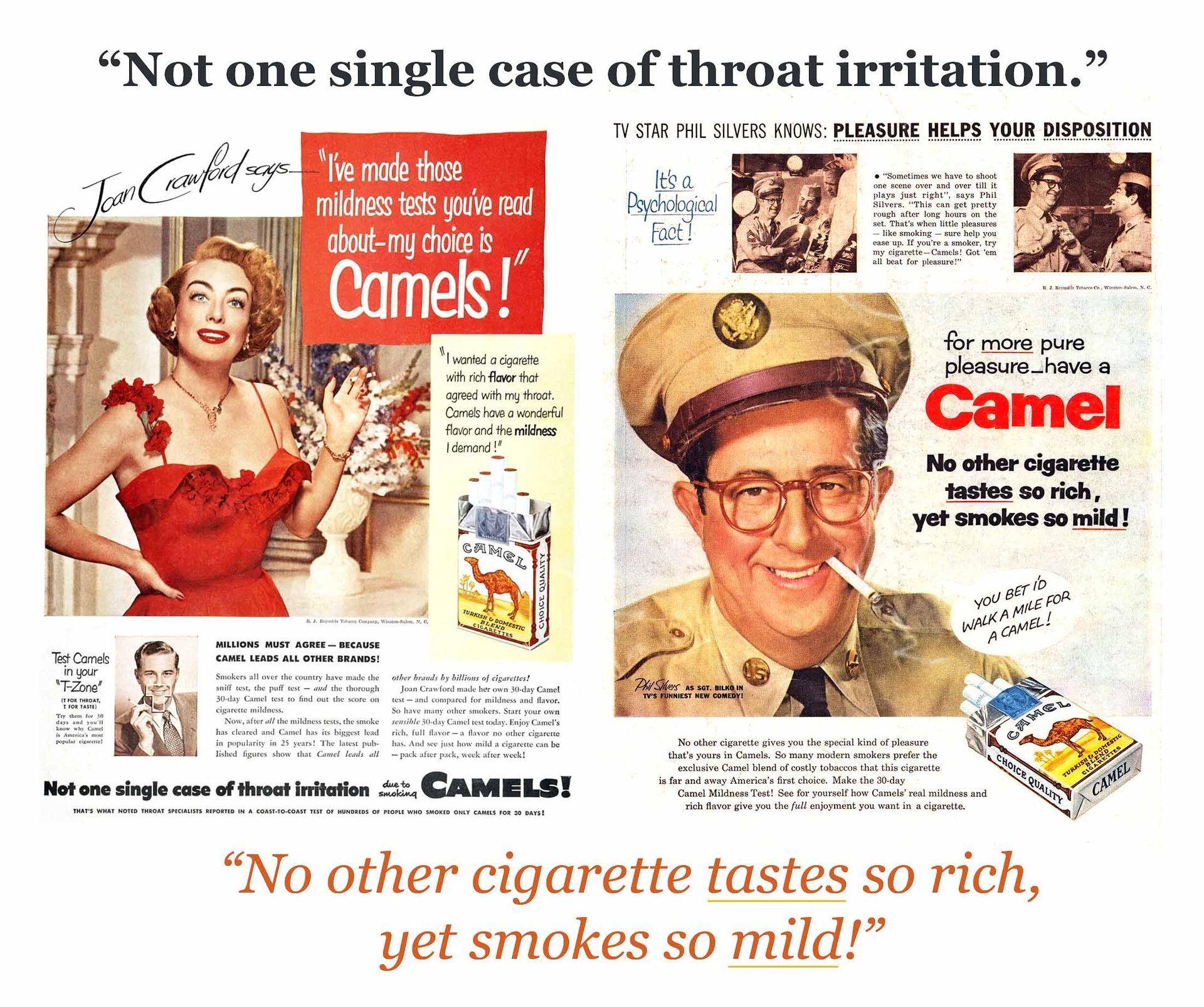
📖 Detection of SARS-CoV-2 in aerosol and surface samples in high acuity hospital settings during community epidemic waves – implications for risk-based infection control
‘Breathing, speaking, coughing, and sneezing produce infectious aerosols in clinical environments.
Coughing produces more aerosols than endotracheal intubation.’
✾
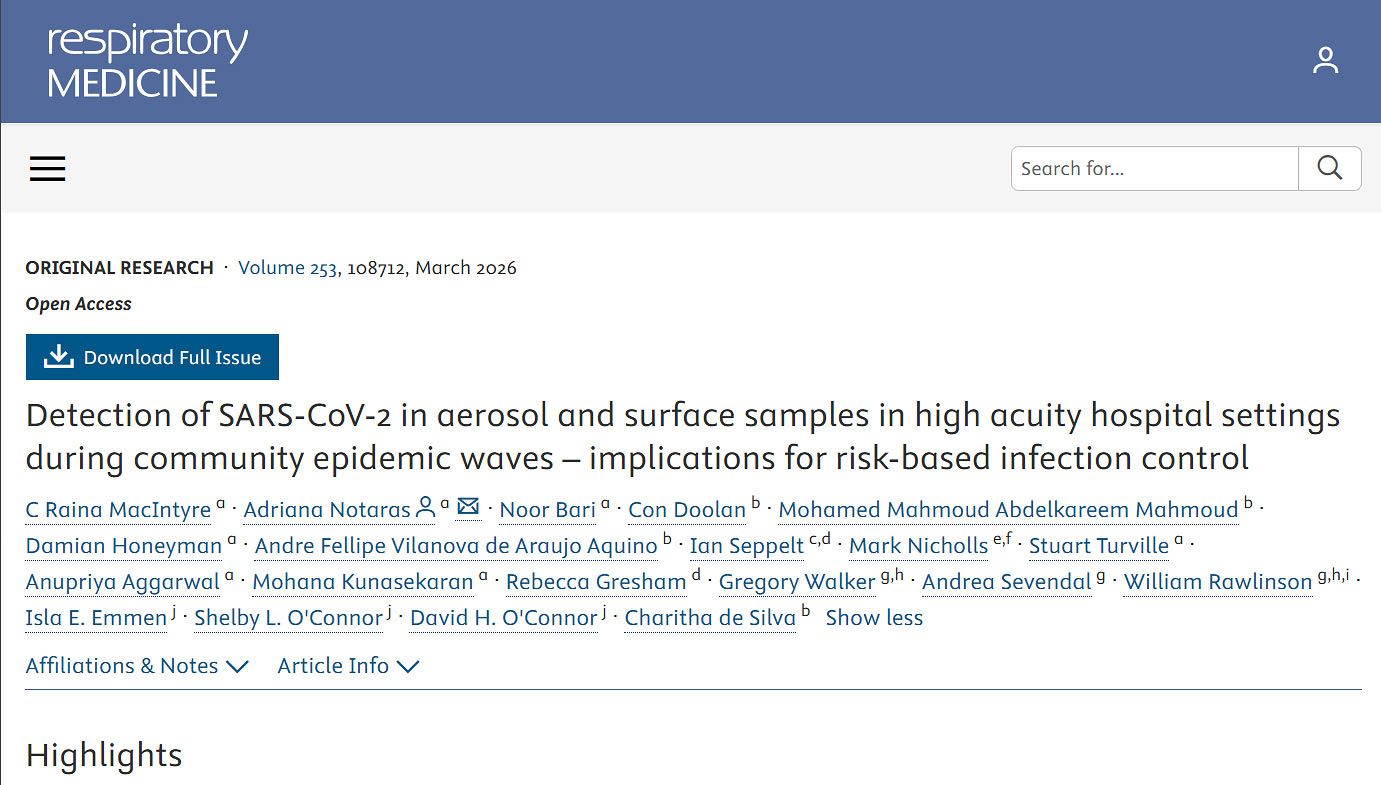
‘Detection of SARS-CoV-2 in aerosol and surface samples in high acuity hospital settings during community epidemic waves – implications for risk-based infection control’.
© 2026 C. Raina MacIntyre, Noor Bari et al / Respiratory Medicine.
❦ Detection of SARS-CoV-2 in aerosol and surface samples in high acuity hospital settings during community epidemic waves – implications for risk-based infection control
By C. Raina MacIntyre, Noor Bari et al / Respiratory Medicine (13 Feb 2026)
[Abridged]
✾ Highlights
- Despite good air quality (mean CO2 614 ppm), 39% of air samples had SARS-CoV-2 RNA.
- Hot spots for risk in the emergency ward include the acute care and waiting area.
- In critical care, hot spots include the tea-room and corridors near infected rooms.
- The risk of nosocomial outbreaks may be mitigated through air purifiers and masks.
❦ Abstract: Rationale
‘Nosocomial transmission of SARS-CoV-2 is multifactorial and may vary between clinical sites.
❦ Abstract: Objectives
To measure SARS-CoV-2 in the air and on surfaces within the Intensive Care Unit (ICU) and Emergency Department (ED).
❦ Abstract: Methods
We conducted an air and surface-sampling study of SARS-CoV-2 in the ED and ICU of a hospital in Sydney.
❦ Abstract: Measurements
We sampled air, patient equipment, and personal protective equipment during two community COVID-19 epidemics. SARS-CoV-2 was detected using quantitative reverse transcription polymerase chain reaction (RT-qPCR).
Carbon dioxide (CO2) was measured simultaneously, with <800 ppm indicating good air quality.
❦ Abstract: Main results
SARS-CoV-2 genetic material was detected in 39% of 51 aerosol samples, with mean CO2 levels consistently <800 ppm for positive samples.
The ED had more detections than the ICU (80% vs. 20%) and a higher mean CO2 level than the ICU (669 ppm vs. 522 ppm).
The ED waiting room, acute ward, and ICU staff tea-room showed higher detection rates than the ICU ward area.
SARS-CoV-2 was detected in air samples in the ED a week before an outbreak was declared, and both inside and outside a COVID-19 patient’s negative-pressure ICU room, where high-flow nasal prongs and a glove tested positive.
❦ Abstract: Conclusion
During community epidemics, SARS-CoV-2 genetic material is detected in hospital air despite good ventilation.
Enhanced protection with masks [FFP2/3 respirators], vaccines, and portable air purifiers, especially in high-risk areas, may mitigate nosocomial transmission, including among staff.
Air sampling can provide an early warning of an outbreak and help identify areas that need enhanced infection control.
✾ 1. Introduction
Nosocomial transmission of SARS-CoV-2 is an on-going problem.
Internationally, up to 24% of hospitalised patients who tested positive for SARS-CoV-2 acquired their infection in hospital.
High proportions of asymptomatic and pre-symptomatic transmission further complicate hospital infection control.
SARS-CoV-2 transmission is multifactorial, and is influenced by host, pathogen and environmental factors.
Among environmental factors, CO2, temperature and relative humidity all influence pathogen survival.
Specifically, increases in CO2 augment the stability of SARS-CoV-2 aerosols and may therefore directly increase the transmission risk, as well as act as a proxy for the presence of exhaled air and potentially infectious aerosols.
Nosocomial transmission is also influenced by building ventilation, occupancy and the behaviour of staff, visitors, and patients, including exposure duration and the use of personal protective equipment (PPE).
Hospitals are at risk of outbreaks during community epidemics, given infected patients, staff and visitors, who may be asymptomatic or pre-symptomatic, mix in closely shared spaces.
In clinical settings, patients may wander and have difficulty wearing a mask, potentially increasing the risk of transmission.
Compounding these issues, staff in hospitals might be working in unfamiliar clinical environments or under increased pressure during emergencies and may be repeatedly exposed to infectious particles for extended periods.
COVID-19 transmission risk is influenced by building design. Modern hospitals are often designed without openable windows.
Heating, Ventilation and Air Conditioning (HVAC) systems mix indoor air homogeneously for thermal comfort, which may disperse pathogens widely.
Staff tearooms may have inadequate ventilation, and corridors may receive air from connected rooms.
Due to the accumulation of aerosols, indoor exposure risks are significantly higher than compared to outdoor settings.
‘Furthermore, breathing, speaking, coughing, and sneezing produce infectious aerosols in clinical environments.
Coughing produces more aerosols than endotracheal intubation.’
Use of PCR for detection of SARS-CoV-2 RNA in environmental samples may indicate potential risk to patients and staff, but a positive PCR does not necessarily reflect the presence of viable virus. Nonetheless, this is the commonest method for testing for the virus in the environment.
Studies have shown SARS-CoV-2 on surfaces, PPE, air and equipment in clinical settings and on surfaces in non-clinical settings, with hands being a prominent way that the virus is transferred.
Contamination of ventilation grates suggests that surface contamination may occur through deposition of aerosols.
Aerosol biosensing has emerged as a method for quantifying and understanding risk. In addition to CO2, particulate matter (PM2.5) levels reflect air quality and may be associated with transmission risk.
‘CO2 and PM2.5 may serve as a proxy measure for the risk of SARS-CoV-2 transmission.’
The aim of this study was to detect SARS-CoV-2 in ambient air, surfaces and equipment in the Intensive Care Unit (ICU) and the Emergency Department (ED) of a large hospital.
A secondary aim was to evaluate proxy measures of air quality and their relationship to viral aerosol detection.
✾ 2. Methods: Study design and setting
We conducted a SARS-CoV-2 surface and air sampling study, with CO2 and PM2.5 as proxy measures of air quality, in a >500-bed metropolitan hospital located in Sydney, New South Wales, Australia.
We collected air and surface/equipment samples using four different methods simultaneously: aerosol sampling for SARS-CoV-2; measurements of CO2 and PM2.5 levels; and swabs of surfaces, patient equipment and personal protective equipment (PPE) (herein referred to as surface samples) for SARS-CoV-2.
We began sampling during two SARS-CoV-2 epidemic waves, based on data from the New South Wales Department of Health.
✾ 2.2 Data collection
We conducted sampling from November 2023 to February 2024, and in July 2024, covering both a summer and winter period.
In the first sampling period, we sampled the ICU and the ED, and in the second period, only the ED. We sampled clinical environments in the ED and ICU, as well as the staff tea-room of the ICU.
The rooms were selected pragmatically across all areas of the ICU and ED to reflect areas where patients and staff may be.
‘The patient room in ICU, and sampling outside the patient’s room, was based on a COVID-19 patient being in there at the time.
Areas around that room such as the corridor outside were also sampled, as well as the tea-room.
For the ED, the acute care area, waiting room and ambulance bay were sampled as the main areas of concern.
The walkway was sampled as this was a high traffic area, although patients and staff merely walked through this section and did not stay for longer periods.’
We placed the aerosol collection and CO2 and PM2.5 air samplers in the same area of each department to be tested and took measurements concurrently, at a maximum distance of 7 m apart, and rotated the sample locations throughout the study period.
We collected aerosol and air samples 1-4 days per week during the sampling months over various durations, ranging from 2 h to 26 h. The surface samples were collected simultaneously in the same locations.
The ThermoFisher Aerosol Sense 2900 Sampler was used to collect air samples at a rate of 200 L/min on a polyurethane foam substrate integrated with a plastic transport cartridge.
Further information regarding the positioning of aerosol samplers, air sampling machine choice, air sampling and other collected data relating to the building can be found in the supplementary materials.
✾ 2.3 Testing of samples
Aerosol samples were tested for SARS-CoV-2 by RT-qPCR. Surface samples were tested for SARS-CoV-2 at the Serology and Virology Division (New South Wales Health Pathology, Randwick).
[See original manuscript for details.]
✾ 2.4 Data analysis
We conducted a descriptive analysis of all aerosol and surface samples. The aerosol samples were categorised into three sample durations for analysis (2, 4 or 24 h). The CO2 and PM2.5 data were collected in 10-min increments. Mean and median CO2 and PM2.5 values were calculated for each aerosol sample overall for the study. Floor plans of the ICU and ED, including sampling locations, were created using Lucidchart.
[See original manuscript for details.]
✾ 3. Results
A total of 51 aerosol samples were collected, 51% in the ED and 49% in the ICU. We collected 28 surface samples. Of the aerosol samples, 20/51 (39.22%) were positive, 10/51 (19.61%) were inconclusive, and 21/51 (41.18%) were negative for SARS-CoV-2.
When looking at specific locations, in the ED, 16/32 (50%) were positive, 8/32 (25%) were inconclusive and 8/32 (25%) were negative.
In the ICU, 4/19 (21%) were positive, 2/19 (11%) were inconclusive and 13/19 (68%) were negative.
If we assume that the inconclusive results are positive, this will mean 75% of results were positive from the ED and 32% from the ICU.
If we assume that the inconclusive results are negative, this will mean 50% of results were negative from the ED and 79% from the ICU.
‘There was a significantly higher aerosol positivity rate in ED compared to ICU, with 16 (80%) of the positive samples being collected in the ED and 4 (20%) in the ICU.’
The adjusted incidence rate of SARS-CoV-2 positivity in aerosols was significantly higher in the ED (β = 1.40, 95% CI: 0.30 to 2.49; p = 0.012), with 4.04 higher odds of positive detections in the ED than in the ICU (OR = 4.04; 95% CI: 1.35 to 12.09; p = 0.012).
In the ED, 1/1 aerosol samples were positive from the walkway, 9/13 (69%) from acute care, 6/12 (50%) from the public waiting room, and 0/6 (0%) from the ambulance bay.
Positive aerosol samples in ICU were detected in the ICU tearoom (2/10), inside a single-bed negative pressure room of a SARS-CoV-2-infected patient (1/1); in the ICU ward area (1/8), directly outside the negative pressure single room of the same SARS-CoV-2 patient. The negative pressure was activated while the patient was present in the room, with Ct 32.85 from the room sample and 33.96 from the sample outside the room.
We detected two positive aerosol samples in the ED acute care area on November 1st and 6th, 2023, and two additional positive samples in the ED waiting room on November 2nd and 7th, 2023.
A hospital SARS-CoV-2 outbreak involving two wards was announced on November 8th, and the hospital implemented mask mandates and visitor restrictions on that date.
This outbreak was a multi-ward outbreak involving two wards which went into lockdown to contain transmission.
Staff were notified formally of the outbreak via email, when mask mandates were implemented for staff and visitors in all clinical areas starting from November 8th and extending until November 30th, 2023.
The mean CO2 across the whole study was 614 ppm and mean PM2.5 was 4.27 cm−3. The mean and median CO2 readings per aerosol sample respectively ranged between 483 and 851 ppm, and 480 and 854 ppm, while the mean and median PM2.5 readings respectively ranged between 0.32 and 12.4 cm−3, and 0.32 and 11.4 cm−3. Only 3.9% (2 samples) of mean CO2 readings were >800 ppm, both in the ED acute care area.
The mean CO2 (ppm) level was significantly higher in the ED compared to the ICU.
Of the 20 SARS-CoV-2 positive samples, 65.0% (13/20) had average CO2 levels higher than the mean (614 ppm); and 33% (7/21) of the negative samples had an average CO2 level below the mean.
‘The odds of SARS-CoV-2 detection were 3.71 times higher when the mean CO2 was >614 ppm.’
When looking at only positive aerosol samples, the highest mean CO2 level recorded was 752 ppm. Additionally, three other positive detections were made when the mean CO2 level exceeded 700 ppm. Fig. 4 suggests that PM2.5 concentration doesn’t seem to have a relationship with positive SARS-CoV-2 results. Table S1 which as well as the Ct value, shows the respective CO2 and PM2.5 results for that sample, suggests a lack of association between SARS-CoV-2 detection and PM2.5.
Further information regarding the ventilation settings in the areas sampled can be found in the supplementary materials.
The results of the 28 surface samples (collected from PPE, surface swabs and patient equipment) collected are shown in Table 1.
Of these, 2/28 (7%) were positive, both from the room of an ICU patient with SARS-CoV-2. One of the positive samples was from the patient’s high-flow nasal oxygen prongs, and the other from a nurse’s used glove.
✾ 4. Discussion
During a rising epidemic wave of SARS-CoV-2 in the community, we found that over one-third of the aerosol samples tested positive for SARS-CoV-2 RNA in the ED and ICU environments, regardless of sampling duration and despite good ventilation within the hospital (CO2 < 800 ppm).
Although the presence of viral RNA in the air does not confirm infectiousness, the findings suggest during periods of high community epidemic activity, adequate air changes in the hospital ventilation system alone may not be enough to protect staff and patients from nosocomial transmission.
Positive aerosol samples were detected from the first week until the last week of the collective sample period, which covered both summer and winter, confirming epidemiologic evidence that SARS-CoV-2 is not seasonal.
The hospital environment includes immunocompromised vulnerable patients, and staff who themselves may have risk factors.
Therefore, a flexible approach to scaling of infection control measures depending on the level of community transmission would help mitigate such risk more than a reactive approach, where additional measures are only implemented after nosocomial epidemics are detected.
Further research could help elucidate whether there are periods when COVID-19 transmission is lower, during which ventilation alone may be sufficient to mitigate longer-range transmission risk in hospitals.
‘We detected SARS-CoV-2 in aerosols seven days before a nosocomial outbreak was declared, highlighting the potential for aerosol sampling to identify outbreaks early.’
Simultaneous aerosol and human sampling studies for SARS-CoV-2 have found that aerosol samples in certain school environments were consistently positive when participants with positive SARS-CoV-2 samples were in those same areas.
Our results are consistent with a likely relationship between positive aerosol samples and human-to-human transmission.
The implementation of such measures a week earlier by using real-time sampling instruments may have mitigated the size of the ensuing epidemic.
Although our sampling results were not available in real time, detection of pathogen genetic material by aerosol surveillance using real-time instruments can provide an early warning for increased risk of infection, which could trigger infection control measures earlier.
In the absence of viral biosensing, monitoring CO2 or PM2.5 may assist in identifying poor air quality.
Although our data suggests CO2 is a better proxy than PM2.5, this is based on limited data.
However, CO2 is produced predominantly by human exhalations, whilst PM2.5 may be produced by humans, pollution or other sources. In fact, during some of the sampling, building works were on-going at the hospital, which may have contributed to PM2.5 levels.
We found viral RNA in ambient air in the ED acute care area, the waiting room, and the staff break-room.
In the ICU, our data suggest that the risk of aerosol detection increases when there is a positive SARS-CoV-2 patient, with positive aerosol samples inside and outside an active, single negative-pressure room of a COVID-19 patient. In this room, the sensor was placed approximately 3 m from the bed of the positive patient, unlike in other studies which did not find positive aerosol samples within 2 to 5 m from the patient’s bed.
The tea-room is also a potential infection risk for staff.
The potential increased risk of infection in non-clinical areas where staff congregate, such as tea-rooms and kitchen areas, has been identified in other studies. Masks cannot be worn during meals, and air quality may not be as good as in clinical areas.
In one study, the risk of transmission was higher when staff were speaking during meals, as speaking generates more aerosols than breathing.
‘A simple mitigation measure would be the use of air purifiers in tea-rooms and meal-break rooms, along with policies that limit the total number of staff in the room at any given time.’
The higher rate of detection in the ED, as well as a higher mean CO2 level, suggests the ED carries a higher risk than the ICU, especially the public waiting room and acute care area.
The ventilation configuration described in the supplementary materials, as well as higher occupancy rates, both of which contribute to higher CO2 levels, may explain why the ED environment has higher positivity rates compared to the ICU. However, given the small number of samples, and the possibility of unmeasured confounding factors, the data should be interpreted cautiously.
Confounders in addition to occupancy and ventilation may include the performing of high-risk procedures, the presence of super-spreaders, the prevalence of coughing and sneezing at the time of sampling, and distance of infected people from the samplers. In addition, patients are more likely to be early in their infection while in ED compared to ICU, which may also impact the respective positivity rates.
Our findings reinforce the importance of incorporating HEPA filtration and providing staff with masks [FFP2/3 respirators] to improve infection control during epidemic periods, especially in settings like the ED.
Portable air purifiers and improvements in ventilation system and maintenance may also reduce the risk of aerosol transmission.
Tailored ED infection prevention and control policies for specific clinical environments may help.
‘The ED waiting room is a site for the potential spread of airborne infections, such as SARS-CoV-2, influenza, measles, and high-consequence pathogens, as patients and their families may wait for many hours in this shared space.’
Failure of diagnosis and triage of potentially lethal infectious agents is a recurring problem worldwide.
Increased mitigations for the waiting room area can help reduce these risks.
We found that aerosol samples were more frequently positive than surface samples, patient equipment, or PPE swabs. Of the surface samples, high-flow nasal prongs in the ICU and gloves were found to be contaminated. ICU staff have considered high-flow nasal prongs as potentially high risk, but some studies have not found these to be contaminated, so our study adds further data to understanding the risk associated with patient equipment.
Our study reinforces the importance of safe donning and doffing techniques to prevent self-contamination.
‘Traditional hospital infection control policy assumes risk of transmission is only present in close and prolonged proximity to infected patients and during aerosol-generating procedures, but the uniform mixing of air by HVAC systems results in more widespread risk inside a hospital, and asymptomatic or mildly symptomatic staff may be a vector of transmission in hospitals.
SARS-CoV-2 has high rates of asymptomatic transmission, so infected staff or patients cannot be reliably identified without testing.
Furthermore, healthcare workers have an increased risk of contracting SARS-CoV-2 compared to the public.’
One study found that just 15 min of exposure to an infected patient increased the risk of transmission.
Nosocomial COVID-19 continues to occur, with a high case fatality rate and the risk of Long COVID.
In 2023, 6007 patients admitted for other reasons contracted COVID-19 in hospitals in New South Wales, Australia. Of those, 297 died (4.9%), which is 49 times higher than the crude case fatality rate of community-acquired COVID-19 of 0.1% in New South Wales.
Similar data from Victoria and Queensland have been released. In 2020, 3500 healthcare workers in Victorian hospitals became infected.
✾ 4.1 Strengths and limitations
[See original manuscript for details.]
✾ 5. Conclusion
Nosocomial COVID-19 remains a major problem in hospitals, with high morbidity and mortality.
Despite good ventilation in the study hospital, as reflected by CO2 levels mostly below 800 ppm, we found SARS-CoV-2 genetic material in air and surface samples when community epidemic levels were rising or higher than baseline.
Whilst SARS-CoV-2 cannot be eliminated from the healthcare environment, a layered approach that considers community epidemic activity, utilises administrative controls, and enhances mitigation in high-risk spaces can help reduce the risk of nosocomial transmission.
Increased mitigation, such as masks [FFP2/3 respirators] and portable air purifiers in high-risk areas like the ED acute care unit, public waiting rooms, and the ICU tea-room, may assist in controlling nosocomial transmission.
In the ICU, even with the use of negative-pressure rooms for SARS-CoV-2 patients, there remains a risk to staff both inside and outside the room.
Infection prevention and control guidelines should consider the heterogeneity of risk in different clinical and non-clinical areas. Policies for high-risk environments should be flexible, depending on the level of community epidemic activity and the prevalence of asymptomatic transmission, and should also consider the occupational safety of health workers.
This study can inform the prevention of nosocomial outbreaks, including use of aerosol sampling for early warnings of epidemics.’
✾
📖 (13 Feb 2026 ~ Respiratory Medicine) Detection of SARS-CoV-2 in aerosol and surface samples in high acuity hospital settings during community epidemic waves – implications for risk-based infection control ➤
© 2026 C. Raina MacIntyre, Noor Bari ➲ et al / Respiratory Medicine.
✾
More... on Healthcare-Associated / Hospital-Acquired Infection (HAI) ~ Nosocomial infections, healthcare workers... and the patient