📖 SARS-CoV-2 infection heightens the risk of developing HPV-related carcinoma in situ and cancer
‘Over a 3-year follow-up period, individuals with SARS-CoV-2 infection had significantly higher risks of developing HPV-related cancers compared to those without infection: a 67% increase in cervical cancer, 131% in vaginal cancer, 98% in vulvar cancer, 92% in anal cancer, and 78% in oropharyngeal cancer.
Similar trends were observed for carcinoma in situ, with increased risks of 34% for cervical, 61% for vaginal, 74% for vulvar, 96% for anal, and 78% for oropharyngeal carcinoma in situ.’
✾
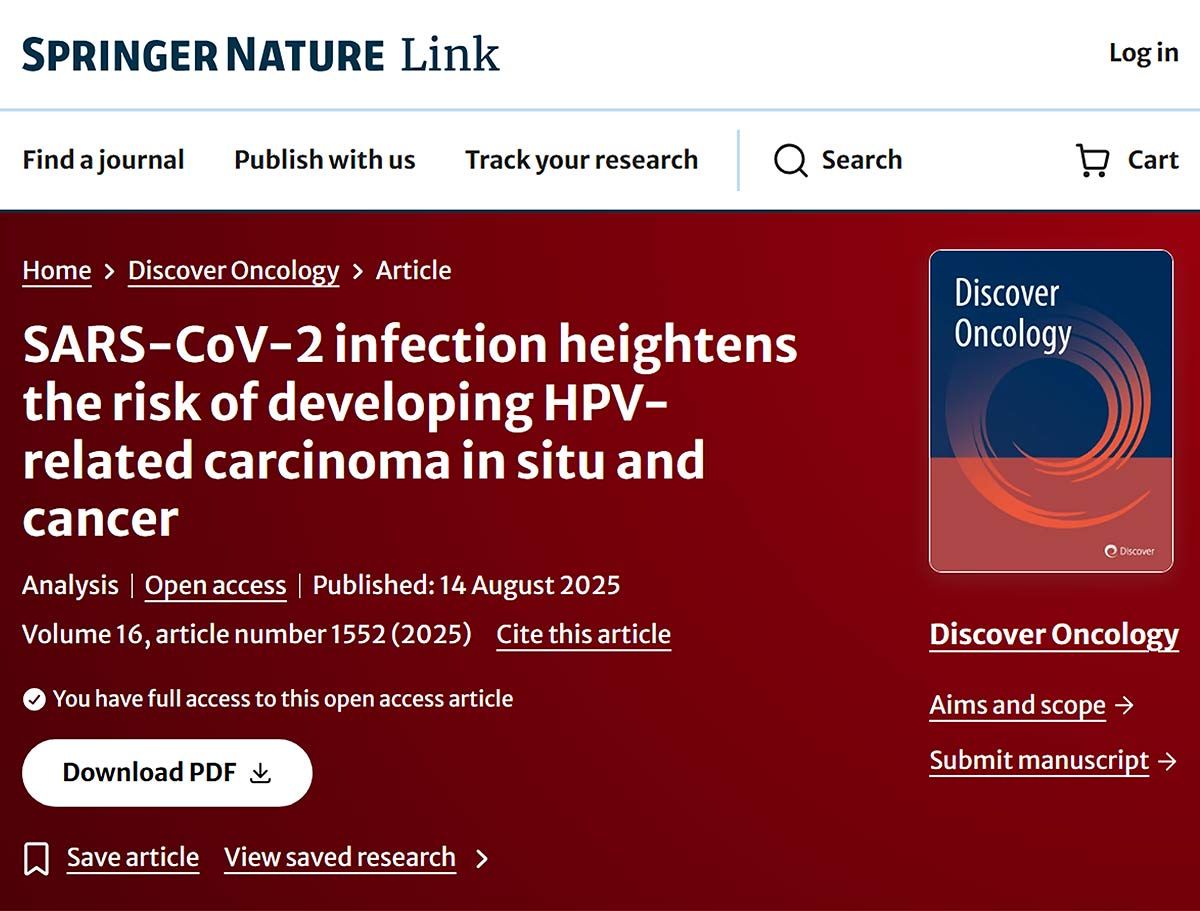
‘SARS-CoV-2 infection heightens the risk of developing HPV-related carcinoma in situ and cancer’.
© 2025 Shih et al / Springer Nature ~ Discover Oncology.
❦ SARS-CoV-2 infection heightens the risk of developing HPV-related carcinoma in situ and cancer
By Shih et al / Springer Nature ~ Discover Oncology (14 August 2025)
[Abridged article: Please refer to original manuscript for full text. Link is provided below.]
‘SARS-CoV-2 infection is associated with elevated risks of HPV-related carcinoma in situ and cancer, irrespective of age or race.’
✾ Abstract: Objective
‘This study aims to investigate the impact of SARS-CoV-2 infection on HPV-related cancer and carcinoma in situ.
✾ Method
We utilized data from TriNetX, a database encompassing 106 healthcare organizations spanning 15 countries and comprising information from over 124 million participants.
Propensity score matching was utilized to compare two cohorts: SARS-CoV-2 infection and non- SARS-CoV-2 infection groups.
The cohorts consisted of females aged 18–90 with no previous history of HPV-related cancers before SARS-CoV-2 infection in 2020 and no HPV vaccine before 2020.
✾ Results
The study included a total of 4,872,295 patients, with 1,281,997 in the SARS-CoV-2 infection group and 3,590,298 in the non-infection group.
After propensity score matching, both groups comprised 1,281,997 patients each.
Over a 3-year follow-up period, individuals with SARS-CoV-2 infection had significantly higher risks of developing HPV-related cancers compared to those without infection: a 67% increase in cervical cancer, 131% in vaginal cancer, 98% in vulvar cancer, 92% in anal cancer, and 78% in oropharyngeal cancer.
Similar trends were observed for carcinoma in situ, with increased risks of 34% for cervical, 61% for vaginal, 74% for vulvar, 96% for anal, and 78% for oropharyngeal carcinoma in situ.
Subgroup analyses stratified by age and race demonstrated consistent results.
✾ Conclusion
SARS-CoV-2 infection is associated with elevated risks of HPV-related carcinoma in situ and cancer, irrespective of age or race.
The findings underscore the importance of understanding the
interplay between viral infections and
cancer development, particularly in the context of the COVID-19 pandemic.’
✾
Source: 📖 (14 Aug 2025 ~ Springer Nature / Discover Oncology) SARS-CoV-2 infection heightens the risk of developing HPV-related carcinoma in situ and cancer ➤
© 2025 Shih et al / Springer Nature ~ Discover Oncology.
✾
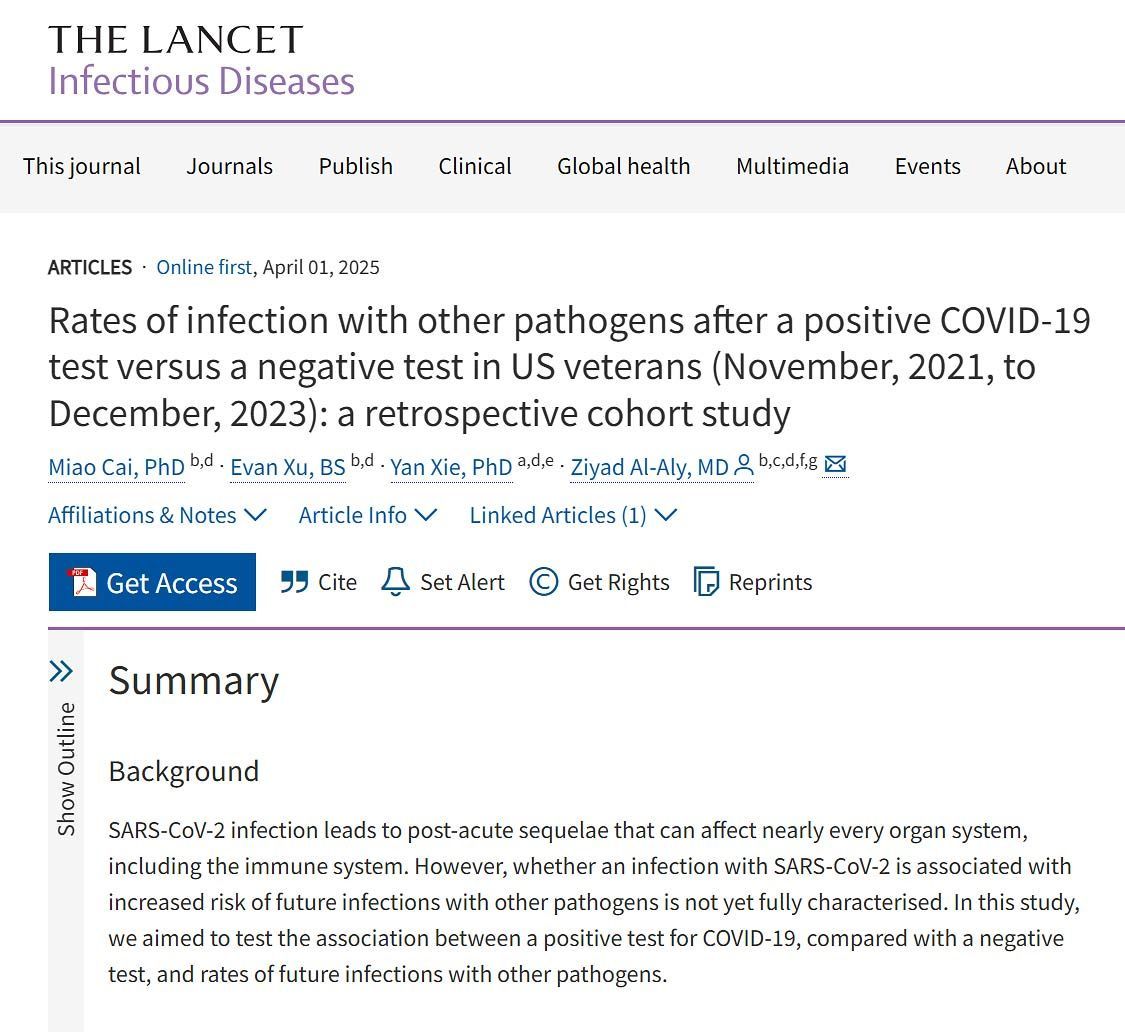
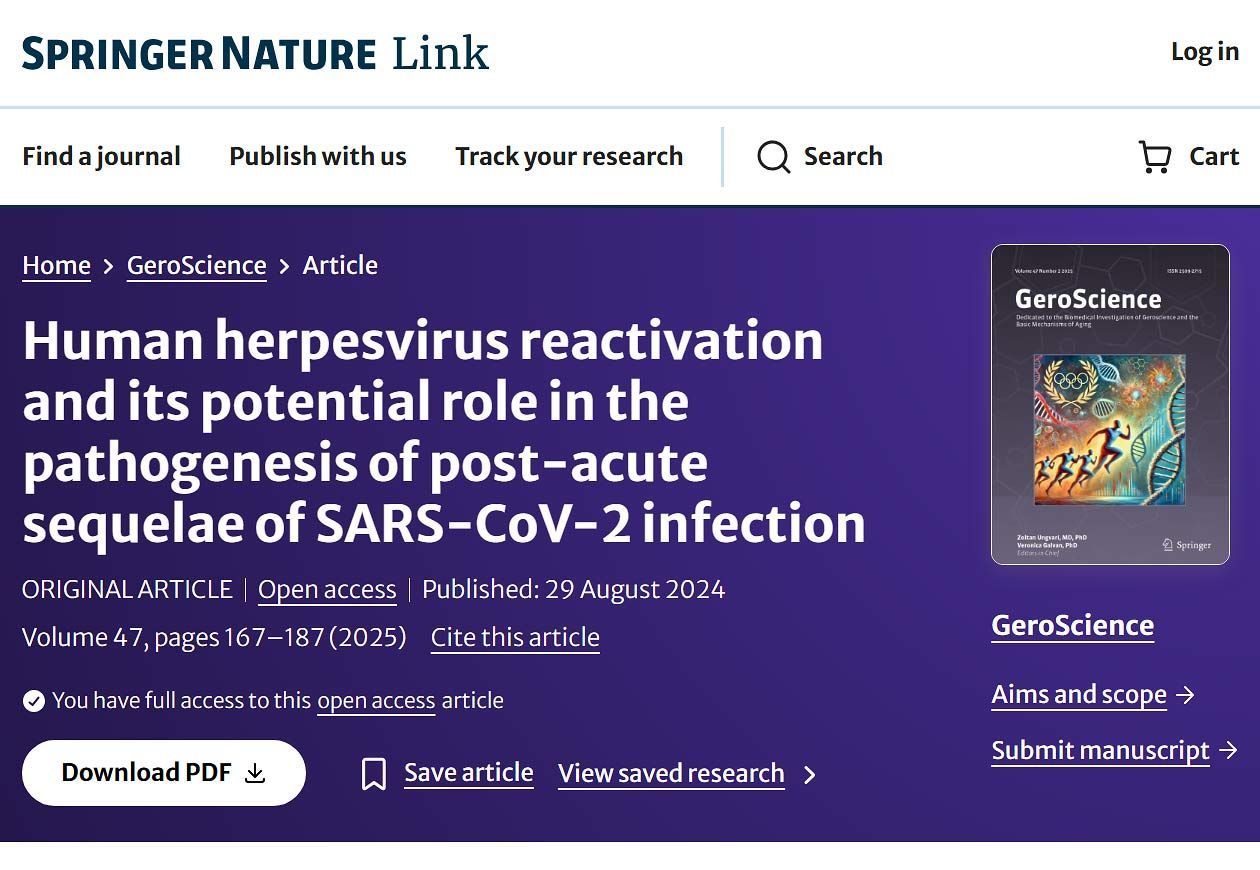
More... on SARS-CoV-2 and reactivation of latent herpesviruses & other pathogens

More... on Reinfections