On fire, fear and caution
❦ Person puts hand in flame. Gets burnt. Knows fire burns flesh. Has a fear of getting burnt in the future, because fire and flesh create undesirable pain.
Lives in a permanent state of fear of fire for rest of life?
No. Becomes cautious of fire, and takes precautions to not be burnt again.
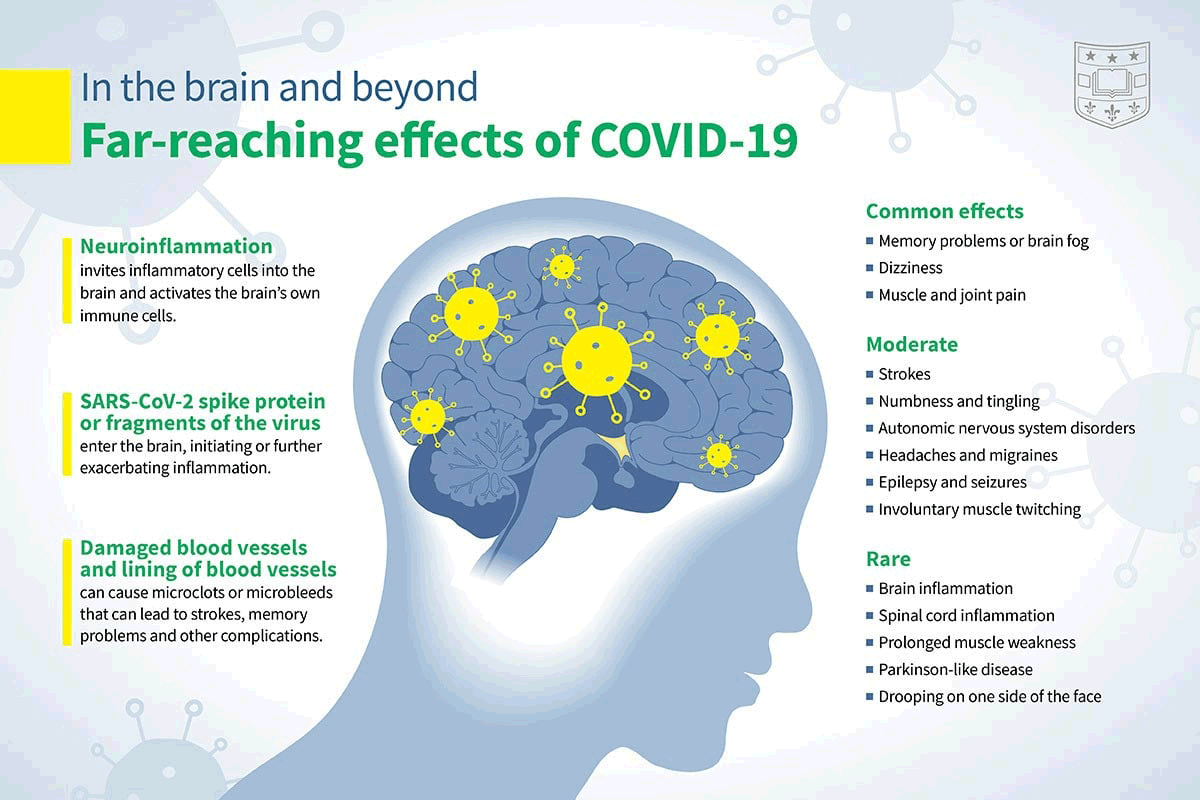
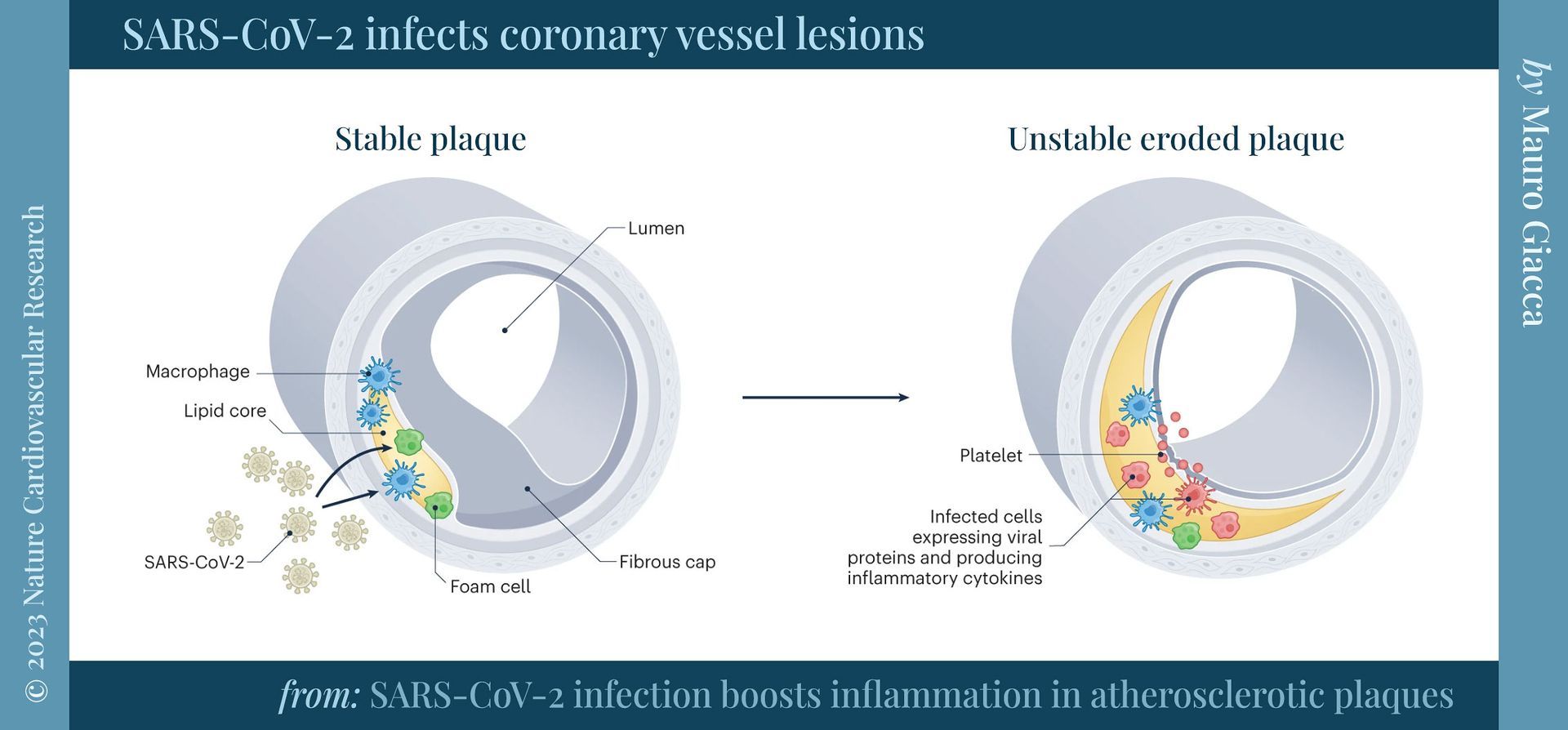
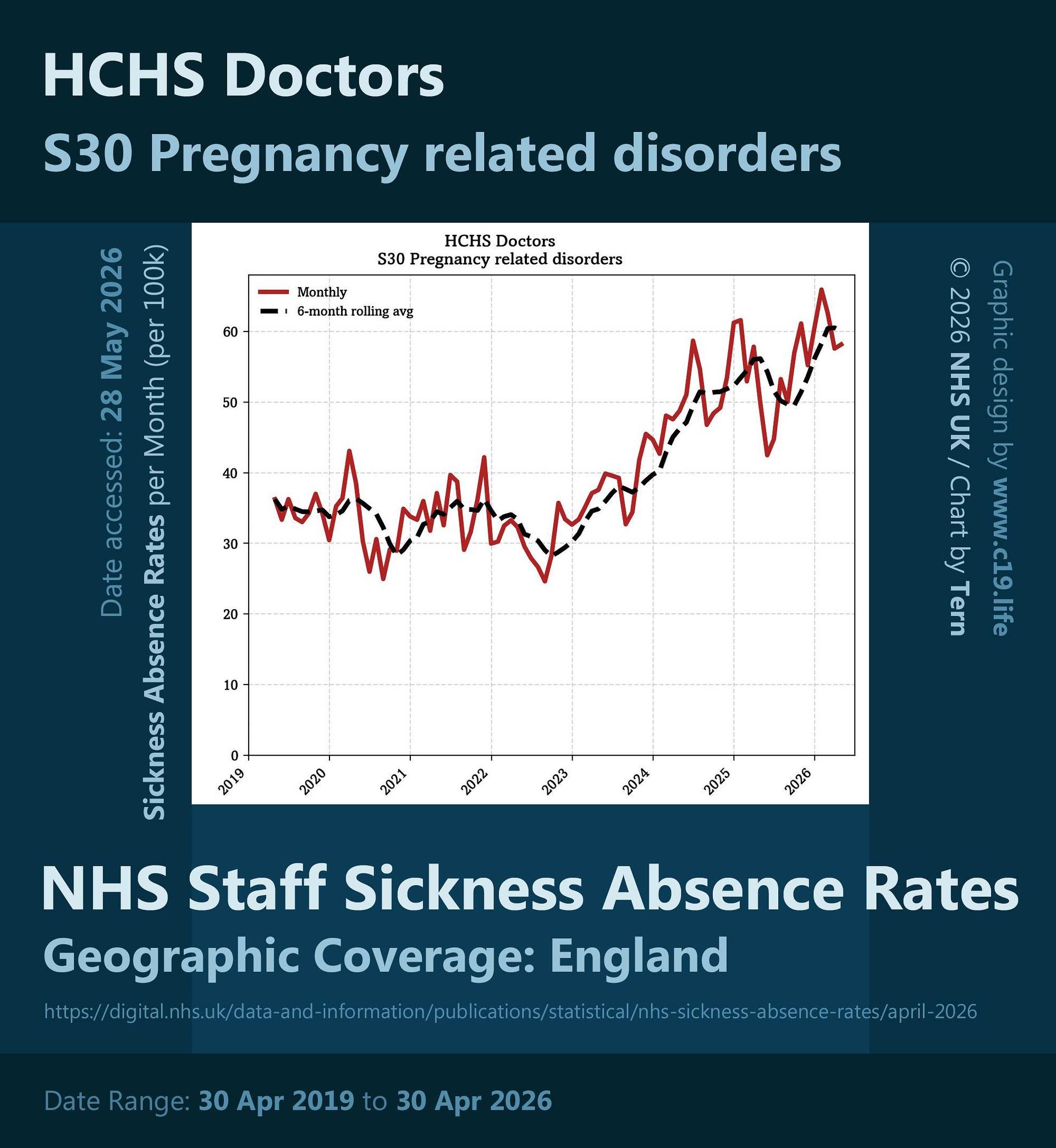
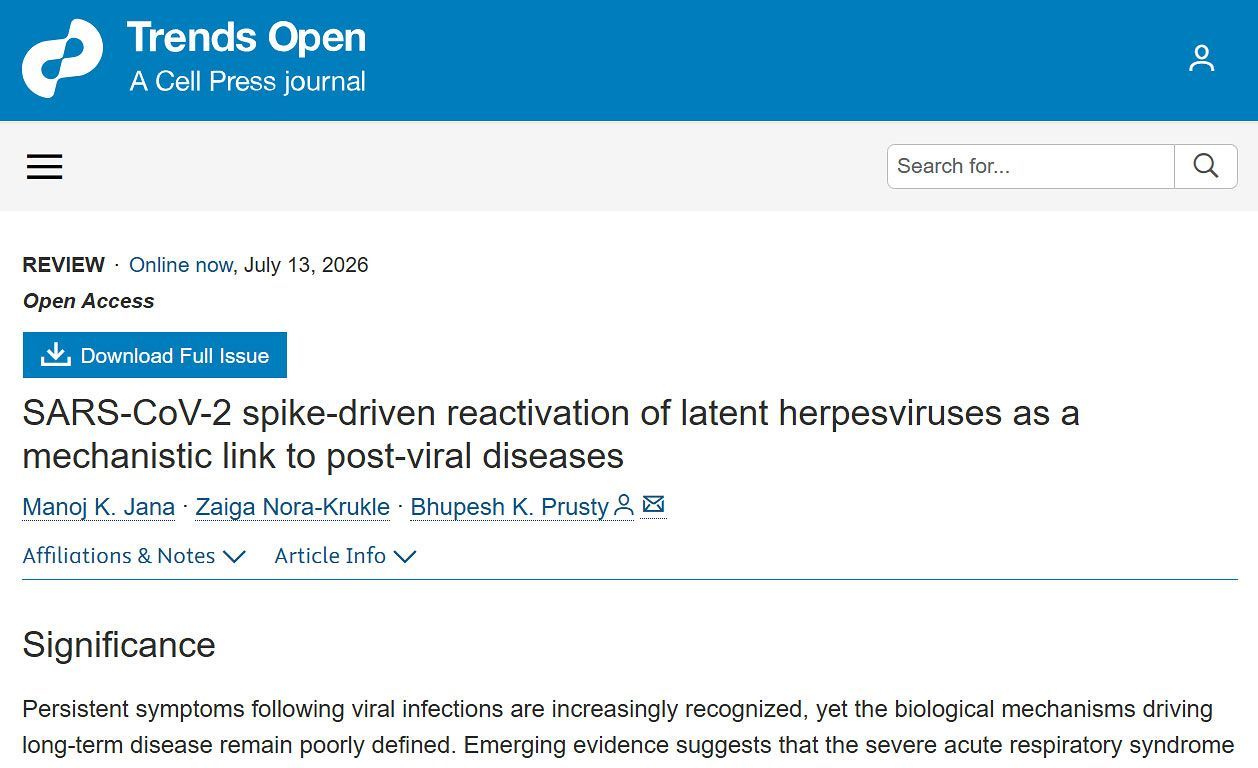
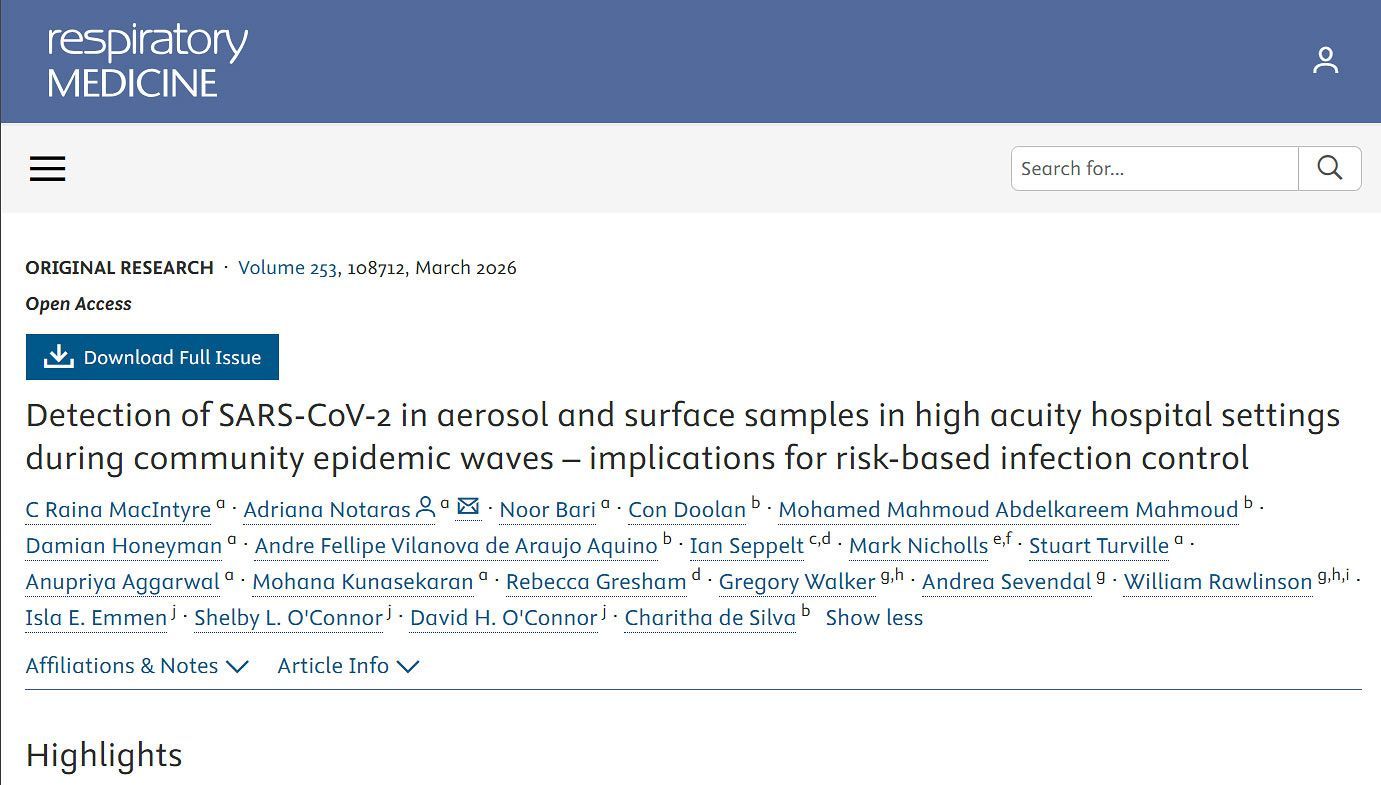
If anybody accuses you of ‘living in fear’ for taking precautions to avoid catching SARS-CoV-2 (Covid-19) again and again, know that you are, in fact, ‘living with sensible caution’ – as you know that the headaches and heart attacks and strokes and plaque build-up in arteries and the killing of one’s own parents and the reduction of your children’s IQ and fertility, and your daily fatigue, and your memory disorders and immune dysregulation and your new-onset susceptibility to other opportunistic viral, bacterial and fungal infections, and your high blood pressure, and your aggressive, new-onset or recurrence of cancer and the rapid, aggressive, new-onset dementia – are all things you should rightly be afraid of.
For yourself, and for other people.
But SARS-2 is clever.
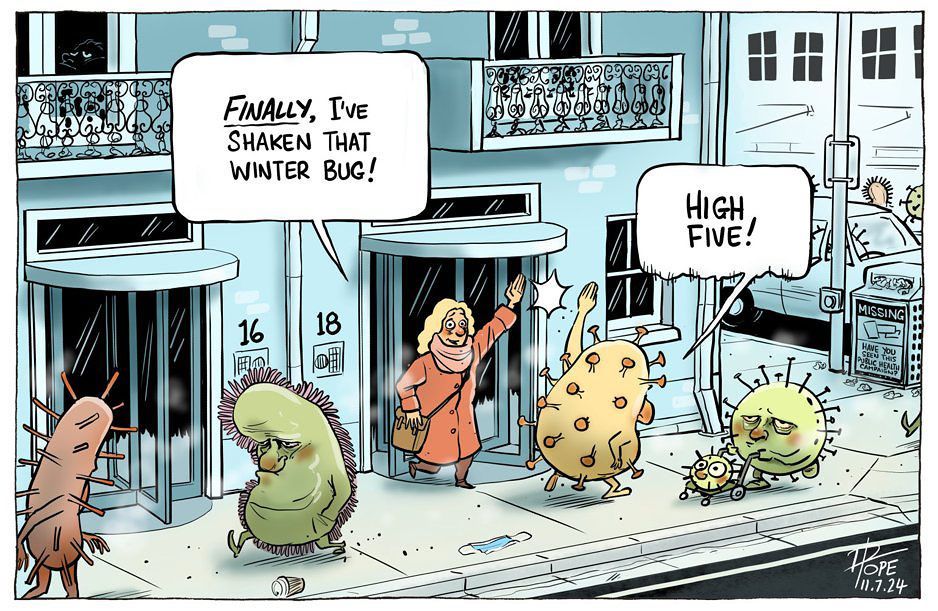
You often only feel the burn weeks or months later, and you don’t make the connection between the time you stuck your hand in a fire and the now-septic wound that has worked its way into the gristle of your toes.
SARS-2 isn’t stupid, you know, and it has had four years of mutating repeatedly inside several billion humans and animals to hone its game while we sit on the lawn and watch our house burn down.
❂
© 2023 C19.Life.
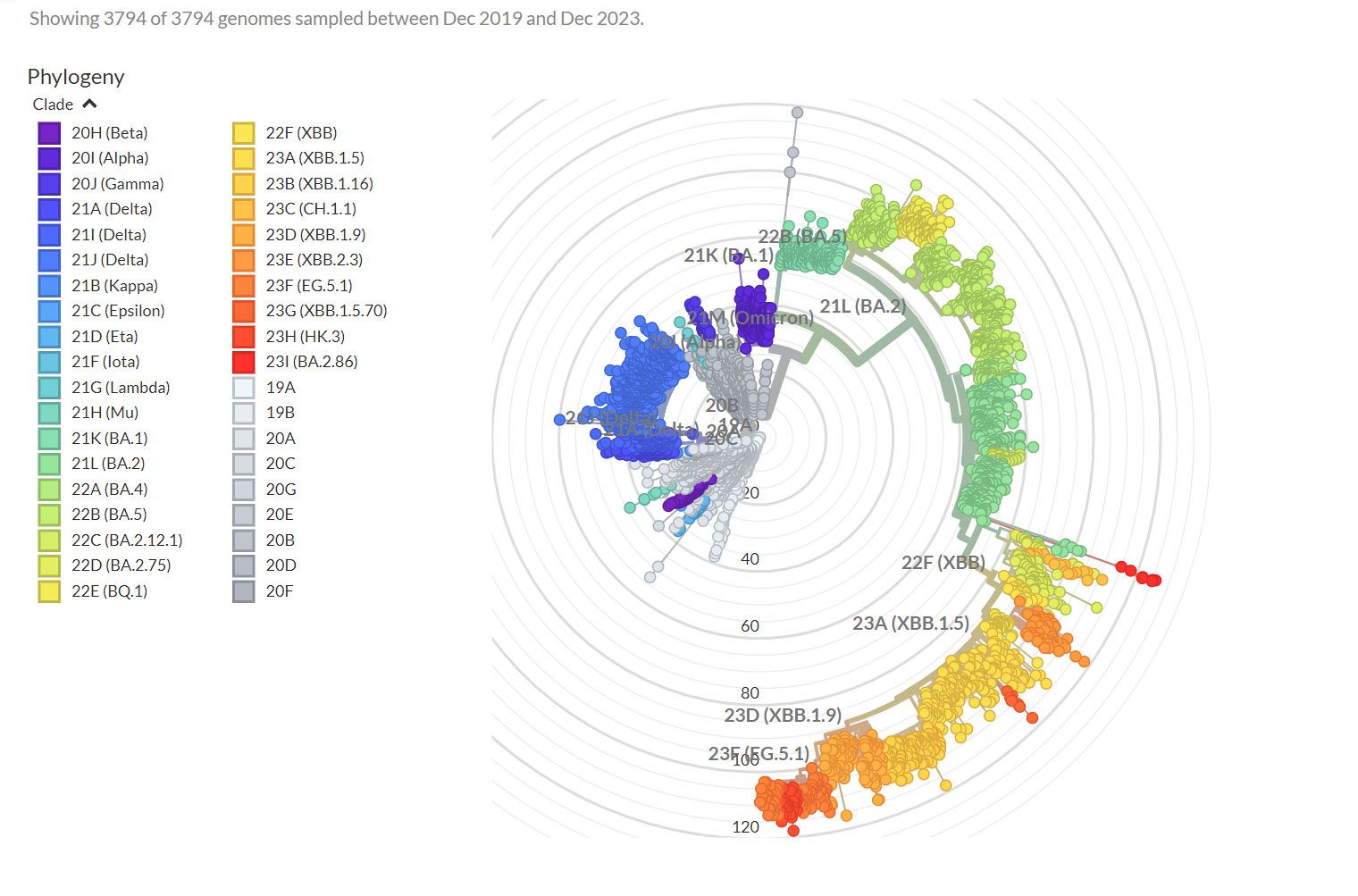
➲ Genomic epidemiology of SARS-CoV-2 with subsampling focused globally since pandemic start.
➲ Data accessed 19 Dec 2023.
© 2023 NextStrain.org.

➲ Genomic epidemiology of SARS-CoV-2 since pandemic start.
➲ Data accessed: 21 Jan 2024.
© 2024 NextStrain.org
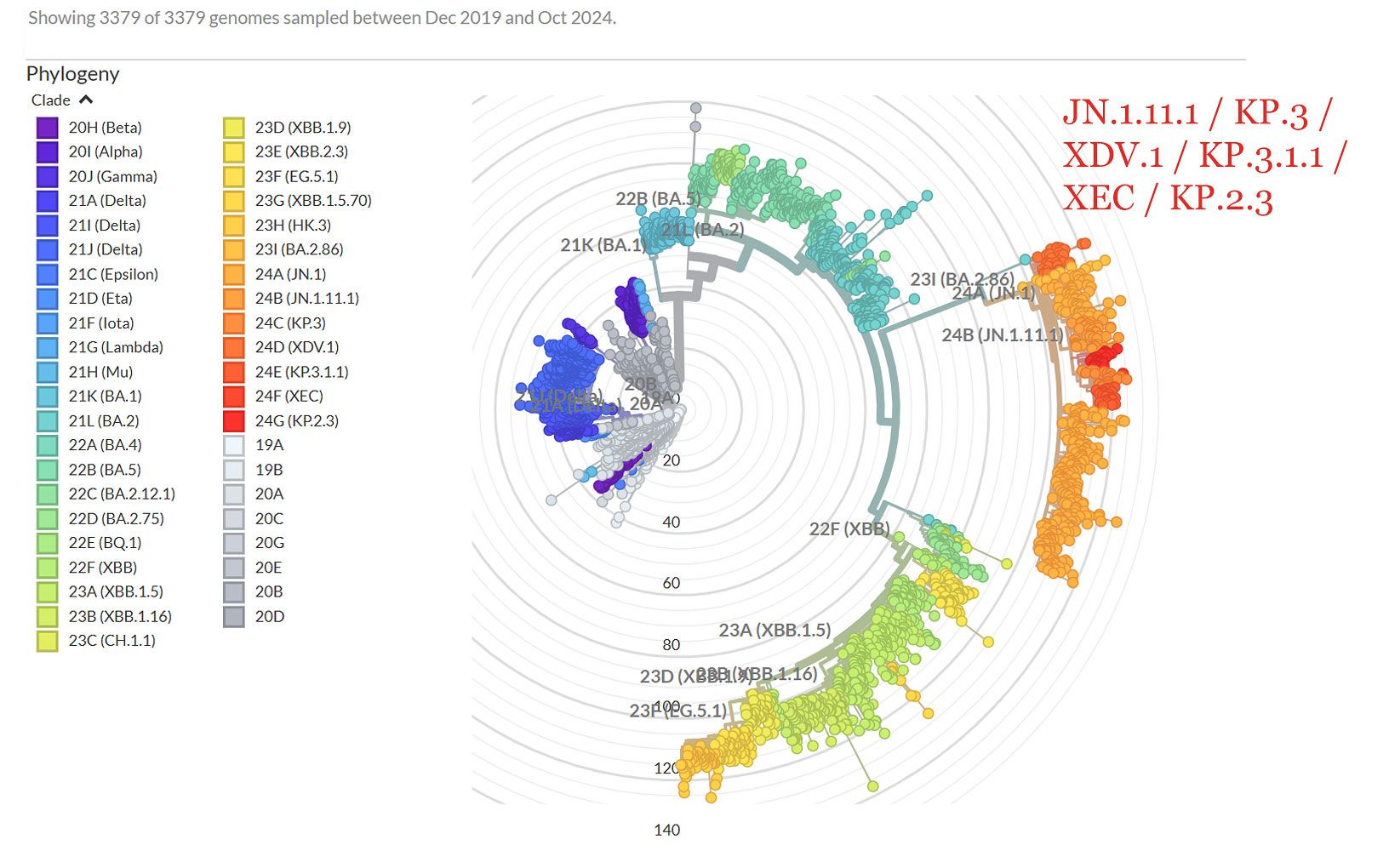
➲ Genomic epidemiology of SARS-CoV-2 since pandemic start.
➲ Data accessed: 29 Oct 2024.
© 2024 NextStrain.org ➲
More by... C19.Life