On testing: a question and answer
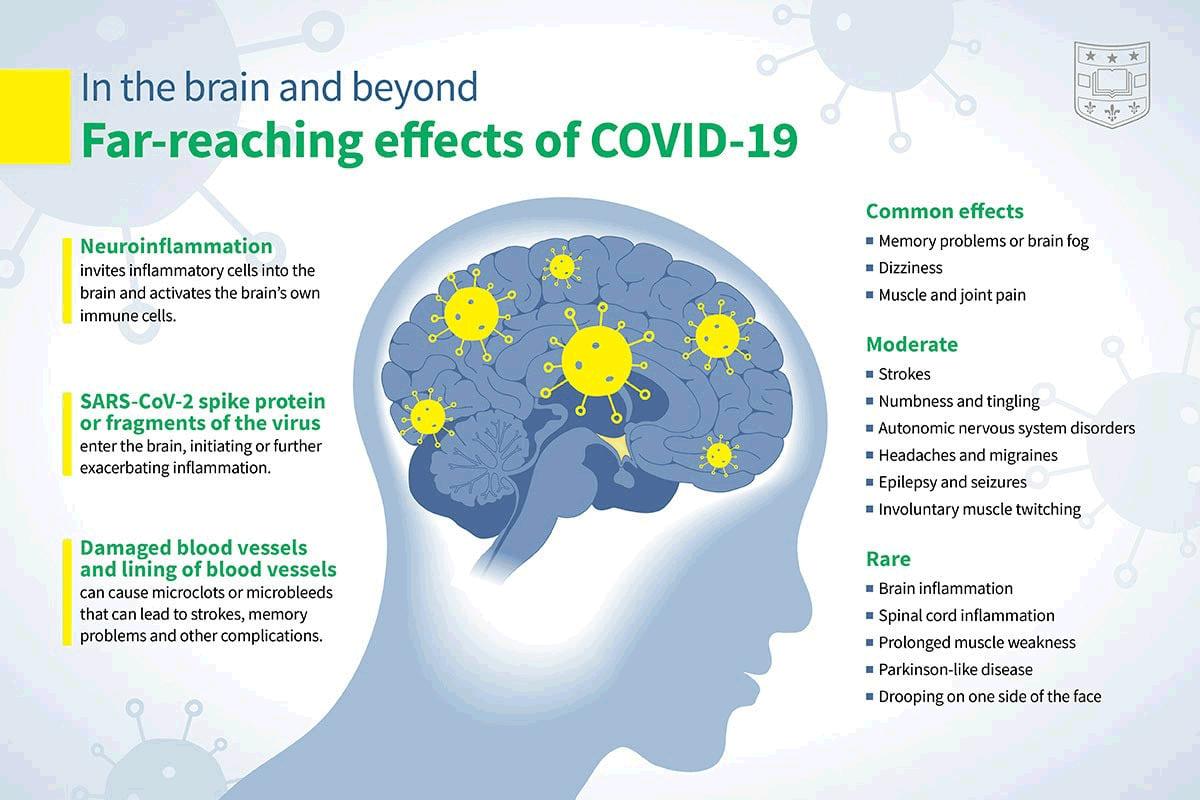
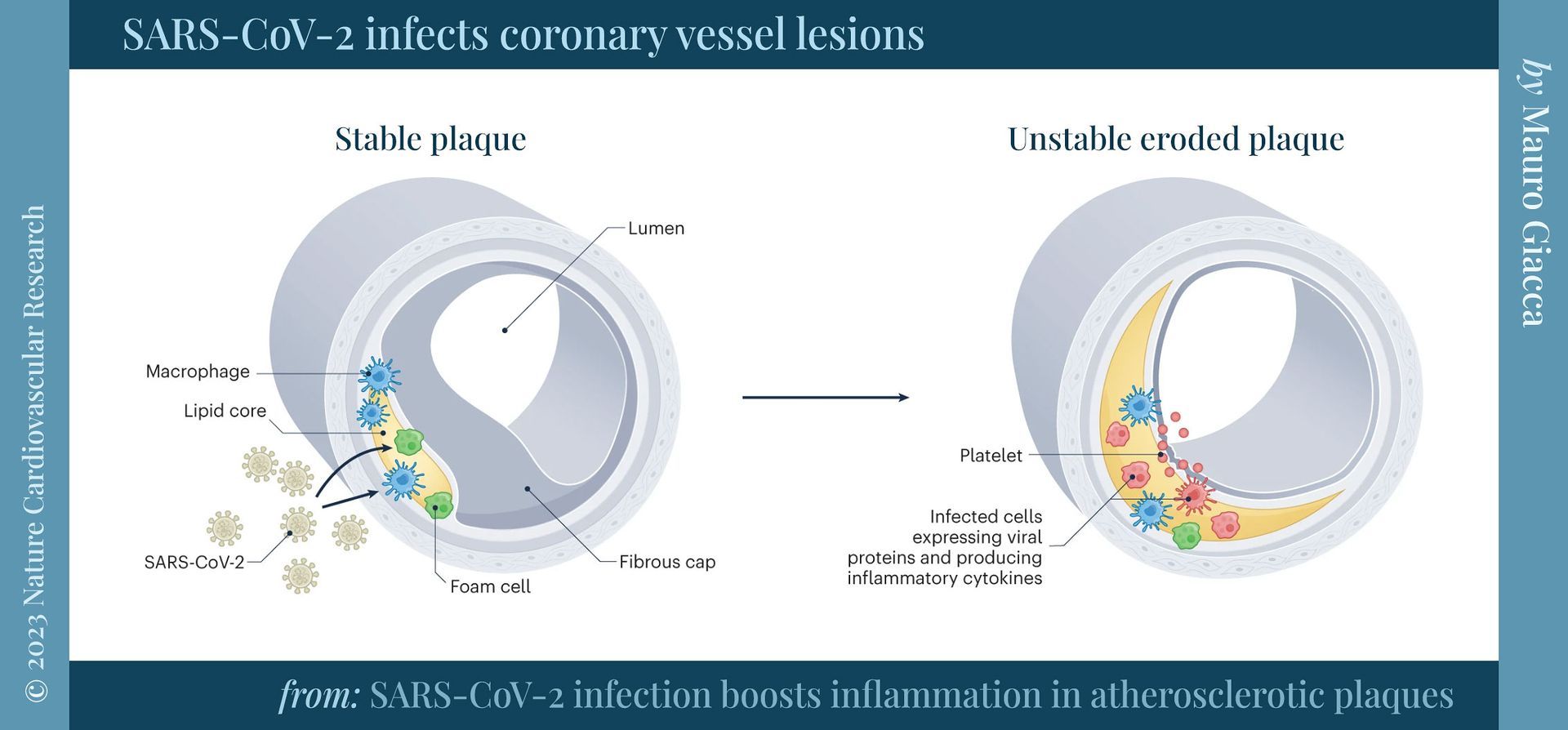
❦ Q. Why is it important for me to know if I have a COVID-19 infection?
❦ A. If you don’t recover well, it can help your doctor to know if you’ve had a COVID-19 infection – so that they can more effectively treat any of your on-going symptoms.
It also helps you to be conscious of the fact that contact with other people might hurt, permanently damage, or kill them.
➲ Few who self-test with an at-home rapid Lateral Flow Test (LFT) swab correctly or regularly enough – leading to false negatives, and a false idea of infection status.
In order to protect other people, it is advised that you begin testing daily after showing symptoms.
❂ As of January 2024, SARS-CoV-2 infections may show as a positive result from between 2 and 7 days after symptoms have begun.*
* [As of December 2024, many symptomatic cases are now only showing as positive on LFTs/RATs on Day 6-7 with the JN.1/“Pirola” clan of 2024.]
❂ A negative result from a single self-test is not confirmation of negative-infection status.
❂
❦ Method:
➲ It is essential to swab the back of your throat as well as the back of your nose, underneath your tongue, inside your gums, and the insides of your cheeks for the most accurate results.
Five seconds of swabbing per site is recommended.
Whether you are using a series of at-home lateral flow tests or a PCR test to confirm a positive infection, it is also strongly advised that you swab routinely with LFT home-tests after your initial, short-term (acute) symptoms have gone away to help confirm your negative infectious status.
(This is sometimes referred to as “testing yourself out of an infection”.)
Several days of continuous negative tests may indicate that you are no longer infectious to others.
❂
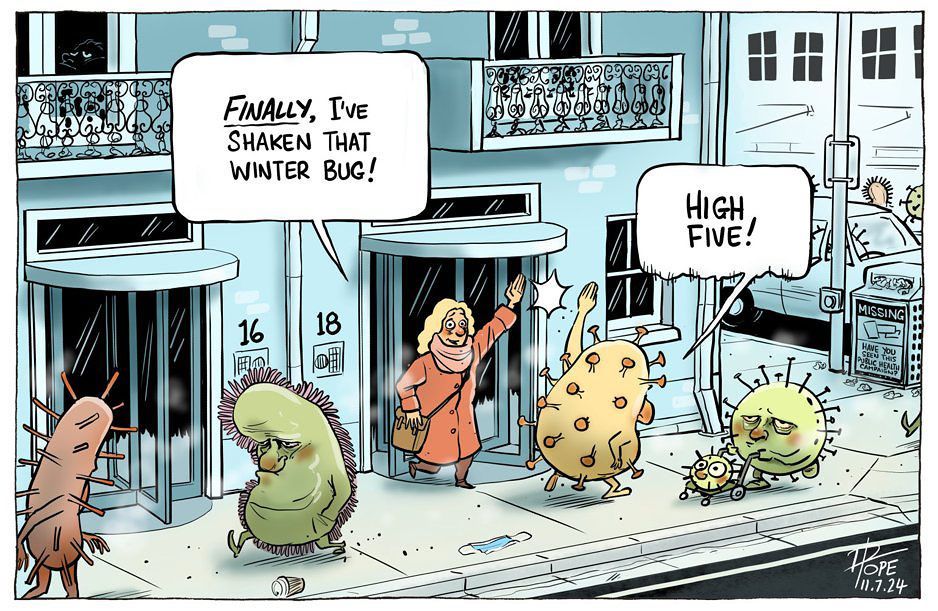
➲ Please note that COVID-19 symptoms often vary as the virus changes and mutates.
➲ COVID-19 symptoms can often overlap with or mimic other respiratory and gastrointestinal diseases.
❂
© 2024 C19.Life.
More by... C19.Life