📖 Long-Term COVID 19 Sequelae in Adolescents: the Overlap with Orthostatic Intolerance and ME/CFS
❦ ‘Fatigue in this population often leads to difficulty with physical and cognitive activity, which can limit participation in school, extracurricular activities, and sports.
Excessive sleep, problems initiating or maintaining sleep, or non-refreshing sleep often accompany fatigue in pediatric long COVID.
Fatigue may persist even with an improvement in sleep patterns.
Post-exertional malaise (PEM) is also common in Long COVID.
PEM refers to an exacerbation not just of fatigue, but of many symptoms, including light-headedness, cognitive fogginess, sensory sensitivity, headaches and pain, occurring after relative increases in physical activity or cognitive demands.
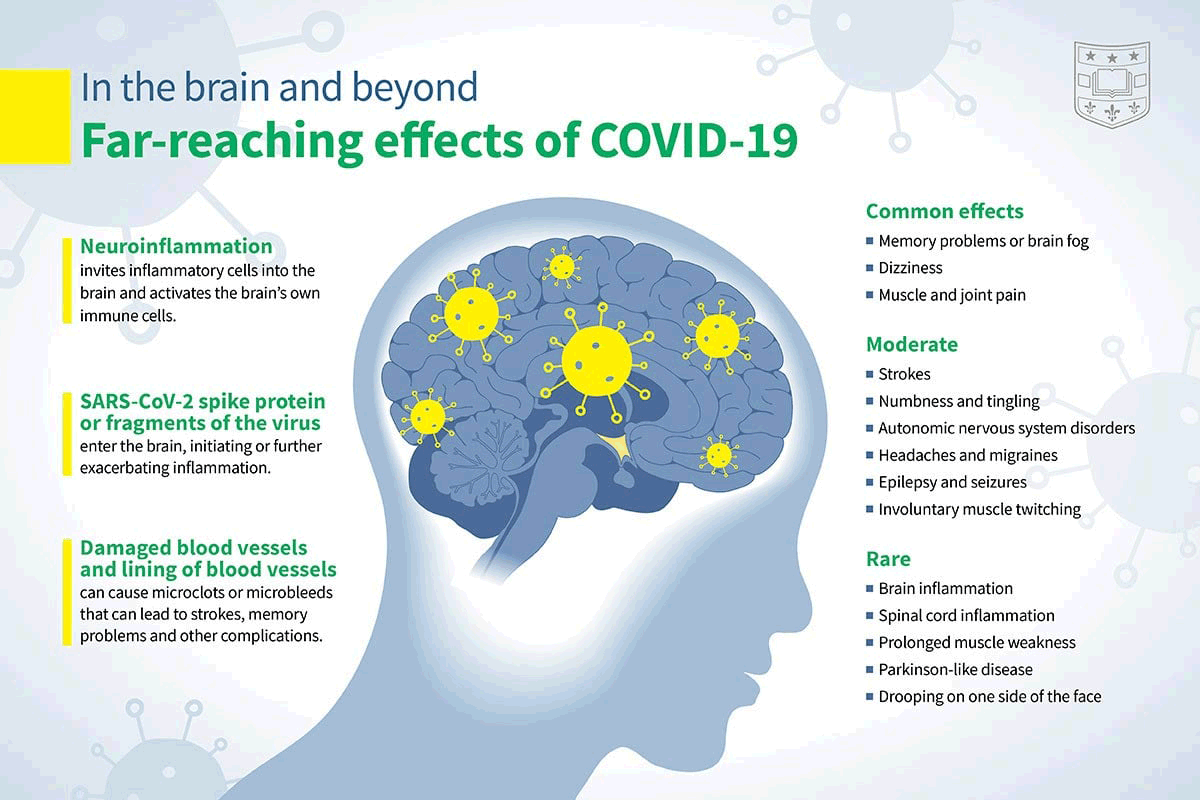
Cognitive difficulties or "brain fog" are also commonly reported by children with Long COVID.
Cognitive difficulties tend to include problems with concentration, short-term memory, and school performance.
Headaches are also commonly reported both in the acute and post-acute phase of COVID in children.
Many patients also report orthostatic symptoms, including lightheadedness or dizziness, syncope, blurred vision, exercise intolerance, dyspnea, chest discomfort, palpitations, tremulousness, anxiety, diaphoresis, and nausea.
❦ Syncope ('sink-euh-pee') = Fainting or losing consciousness.
❦
Dyspnea
=
Shortness of breath or breathlessness.
❦
Diaphoresis
=
Excessive sweating due to a secondary condition.
Cardiopulmonary symptoms: Many adolescents have reported a variety of cardiopulmonary symptoms including dyspnea, chest pain or tightness, and cough.
Mental health and behavioral symptoms also are prominent in this population, with anxiety and depression being the most prevalent.
Changes in taste and smell including anosmia, ageusia, parosmia, and dysgeusia are reported with acute SARS-CoV-2 infection in children and adults.’
❦ Anosmia = Partial or full loss of smell.
❦
Ageusia
=
Loss of taste.
❦
Parosmia
=
A distorted sense of smell (eg. things that used to smell pleasant now smell foul to people with parosmia).
❦
Dysgeusia
=
A taste disorder (eg. people with dysgeusia feel that all foods taste sour, sweet, bitter or metallic).
❂
📖 (9 Mar 2022 ~ Adolescent Medicine) Long-Term COVID 19 Sequelae in Adolescents: the Overlap with Orthostatic Intolerance and ME/CFS ➤
© 2022 Morrow et al / Adolescent Medicine.