☣ Variant Watch: 📖 Antigenic and virological characteristics of SARS-CoV-2 variants BA.3.2, XFG, and NB.1.8.1

Guo et al / The Lancet ~ Infectious Diseases • 5 June 2025

‘Importantly, NB.1.8.1 shows a balanced profile of ACE2 binding and immune evasion, supporting its potential for future prevalence.’


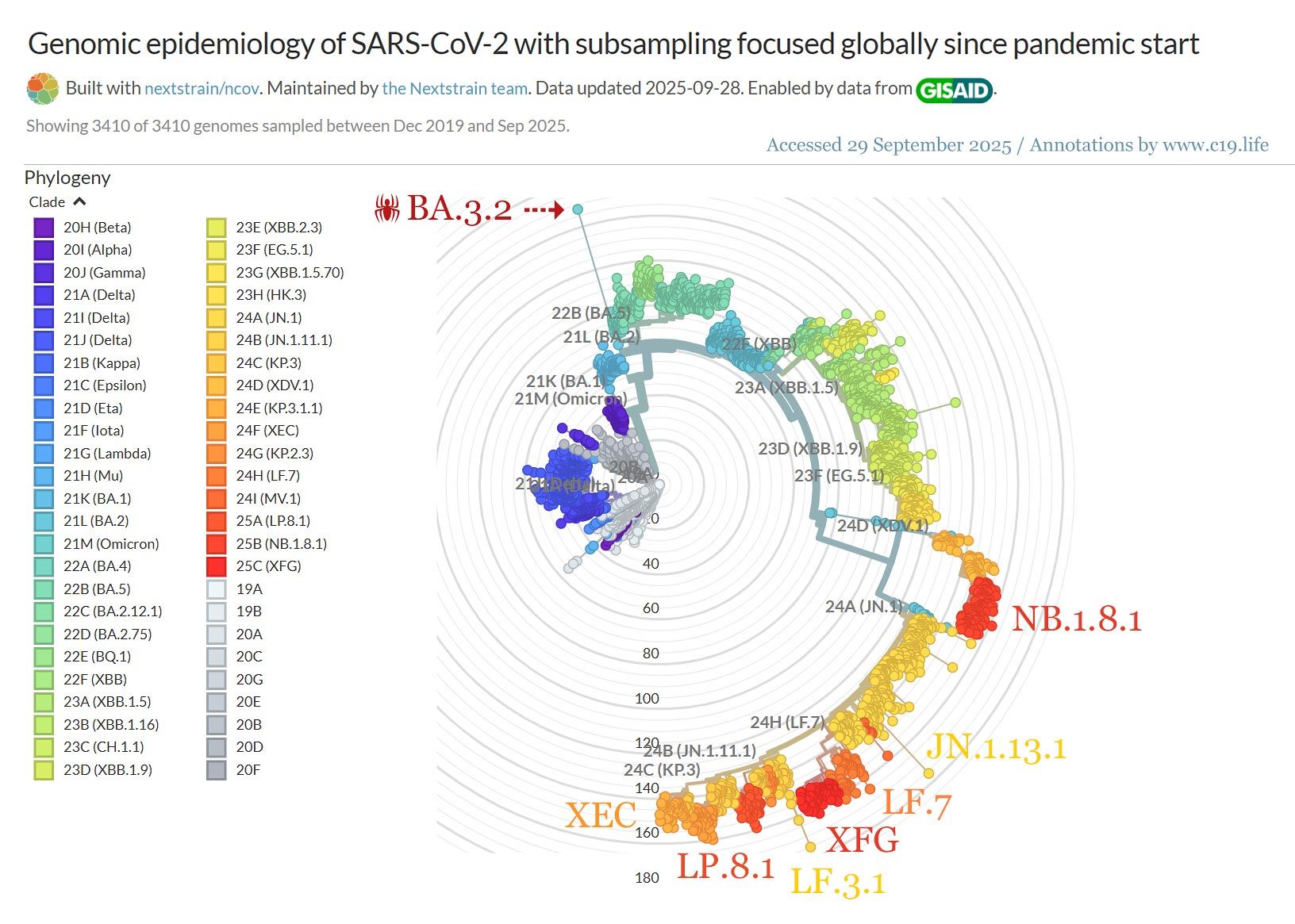
Genomic epidemiology of SARS-CoV-2 with subsampling focused globally since pandemic start. All data and data visualisation by © 2025 NextStrain.org

(Accessed 29 Sep 2025) Genomic epidemiology of SARS-CoV-2 with subsampling focused globally since pandemic start, showing emergence and progression of XFG, NB.1.8.1 and BA.3.2.


Data & data visualisation by © 2025 NextStrain.org / GISAID.org.


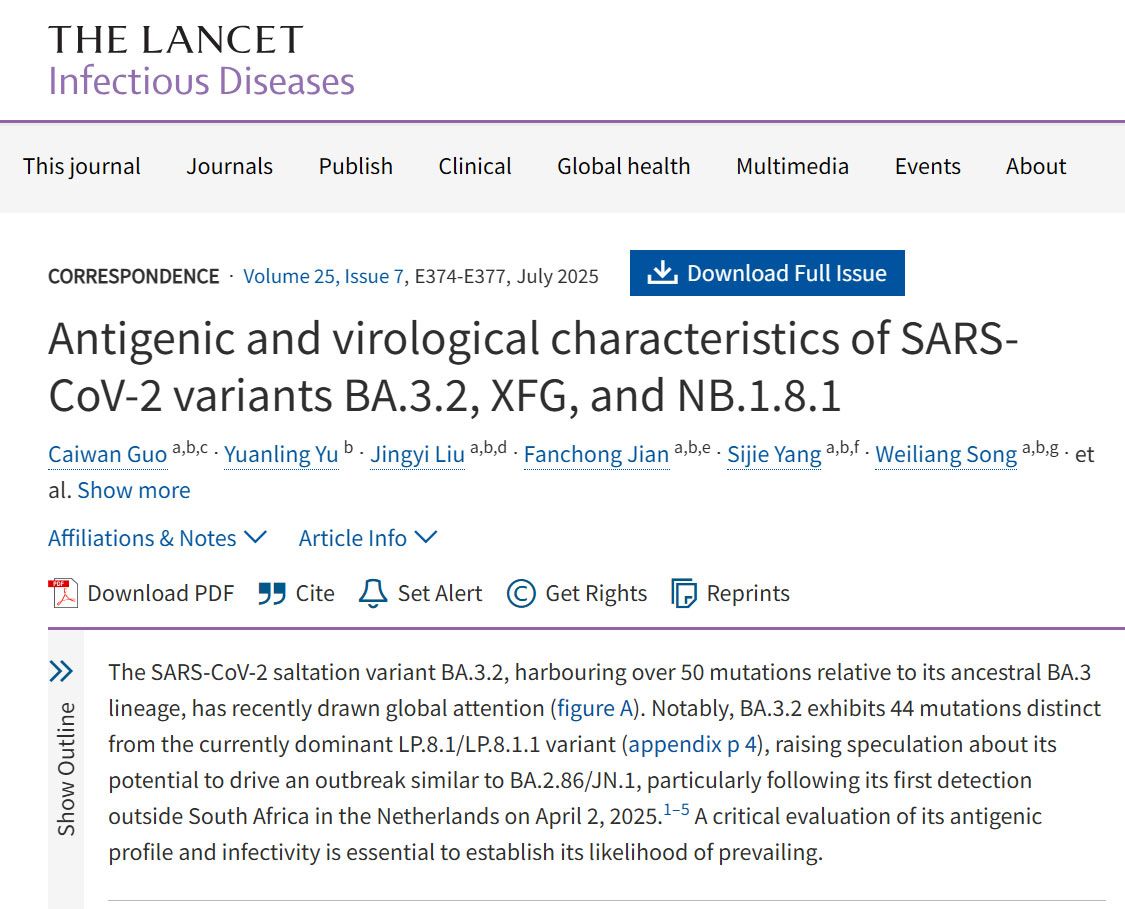
Correspondence ~ Antigenic and virological characteristics of SARS-CoV-2 variants BA.3.2, XFG, and NB.1.8.1


By Guo et al / The Lancet: Infectious Diseases (5 Jun 2025)


‘The SARS-CoV-2 saltation variant BA.3.2, harbouring over 50 mutations relative to its ancestral BA.3 lineage, has recently drawn global attention.


Notably, BA.3.2 exhibits 44 mutations distinct from the currently dominant LP.8.1/LP.8.1.1 variant, raising speculation about its potential to drive an outbreak similar to BA.2.86/JN.1, particularly following its first detection outside South Africa in the Netherlands on April 2, 2025.


Concurrently, multiple emerging variants – including NB.1.8.1, LF.7.9, XEC.25.1, XFH, and XFG – exhibit enhanced growth advantages over LP.8.1.1, which suggests their potential to dominate future transmission waves.


These variants show convergent evolution.


In summary, our findings indicate that BA.3.2 exhibits robust antibody evasion but has low ACE2-binding capability and infectivity, which substantially limits its likelihood of prevailing.


To achieve efficient spread akin to BA.2.86 or JN.1, BA.3.2 would require additional mutations to improve both its receptor engagement efficiency and its evasion of class 1 antibodies.


Similarly, although XFG displays strong immune evasion, its relatively low ACE2 engagement efficiency suggests that it might need compensatory mutations to enhance receptor compatibility for sustained transmission.


Importantly, NB.1.8.1 shows a balanced profile of ACE2 binding and immune evasion, supporting its potential for future prevalence.


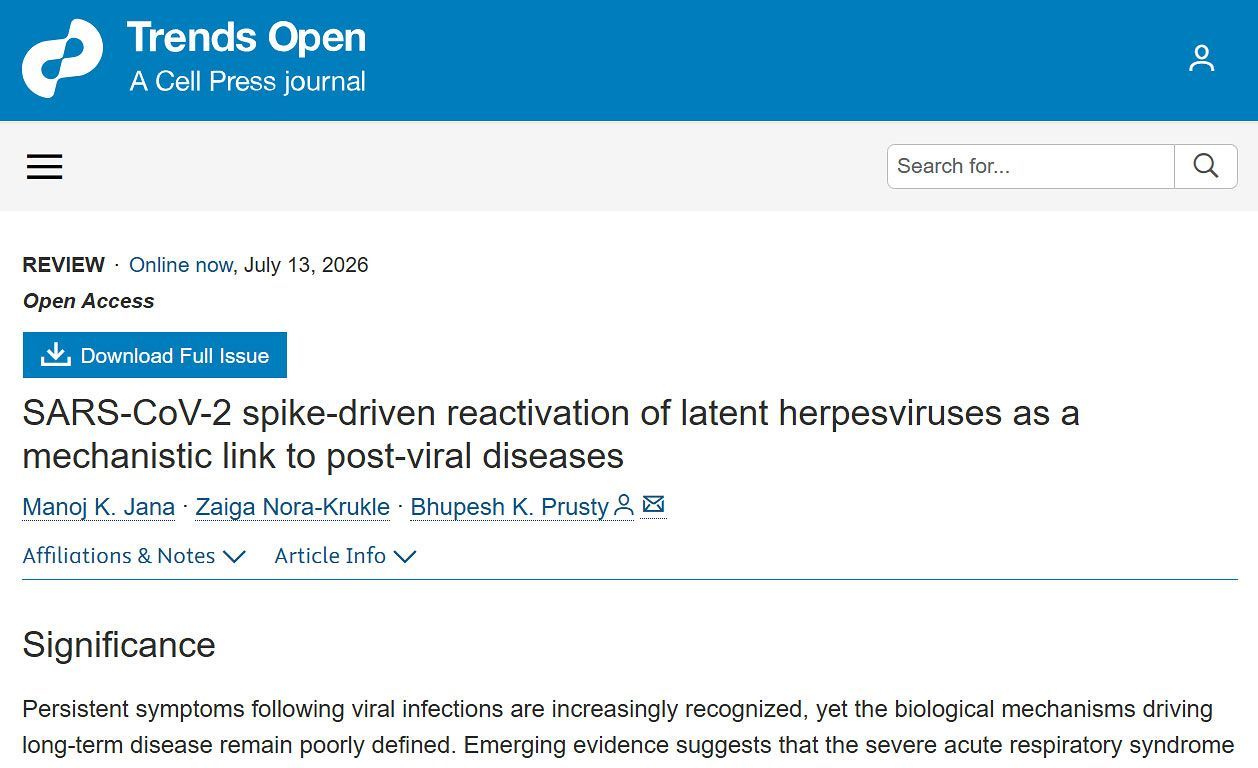
📖 (5 Jun 2025 ~ The Lancet: Infectious Diseases) Antigenic and virological characteristics of SARS-CoV-2 variants BA.3.2, XFG, and NB.1.8.1 ➤


© 2025 Guo et al / The Lancet.

The Lancet ~ Microbe: Host cell entry and neutralisation sensitivity of SARS-CoV-2 BA.3.2 by Zhang et al (3 Jun 2025)

📖 (5 Jun 2025 ~ The Lancet: Infectious Diseases) Antigenic and virological characteristics of SARS-CoV-2 variants BA.3.2, XFG, and NB.1.8.1.


© 2025 Guo et al / The Lancet.


More... Variants


by C19.Life 1 November 2025
“We’re going to need a bigger Greek alphabet.”
by C19.Life... et al 29 September 2025
‘The arrival of the Omicron variant marked a major shift, introducing numerous extra mutations in the spike gene compared with earlier variants. Before Omicron, natural infection provided strong and durable protection against reinfection, with minimal waning over time. However, during the Omicron era, protection was robust only for those recently infected, declining rapidly over time and diminishing within a year.’
by C19.Life... et al 7 September 2025
‘Vaccine effectiveness against SARS-CoV-2 [COVID-19] infection declines markedly with time and Omicron variants.’ from ‘Effectiveness of COVID-19 vaccines against SARS-CoV-2 infection and severe outcomes in adults’ by Zhou et al / European Respiratory Review (2024).
by Zhang et al / The Lancet ~ Microbe 3 June 2025
‘Since late 2024, a potential third major evolutionary shift in SARS-CoV-2 evolution might be unfolding. In November 2024 and January 2025, a highly mutated descendant of the Omicron subvariant BA.3 was detected in South Africa.’
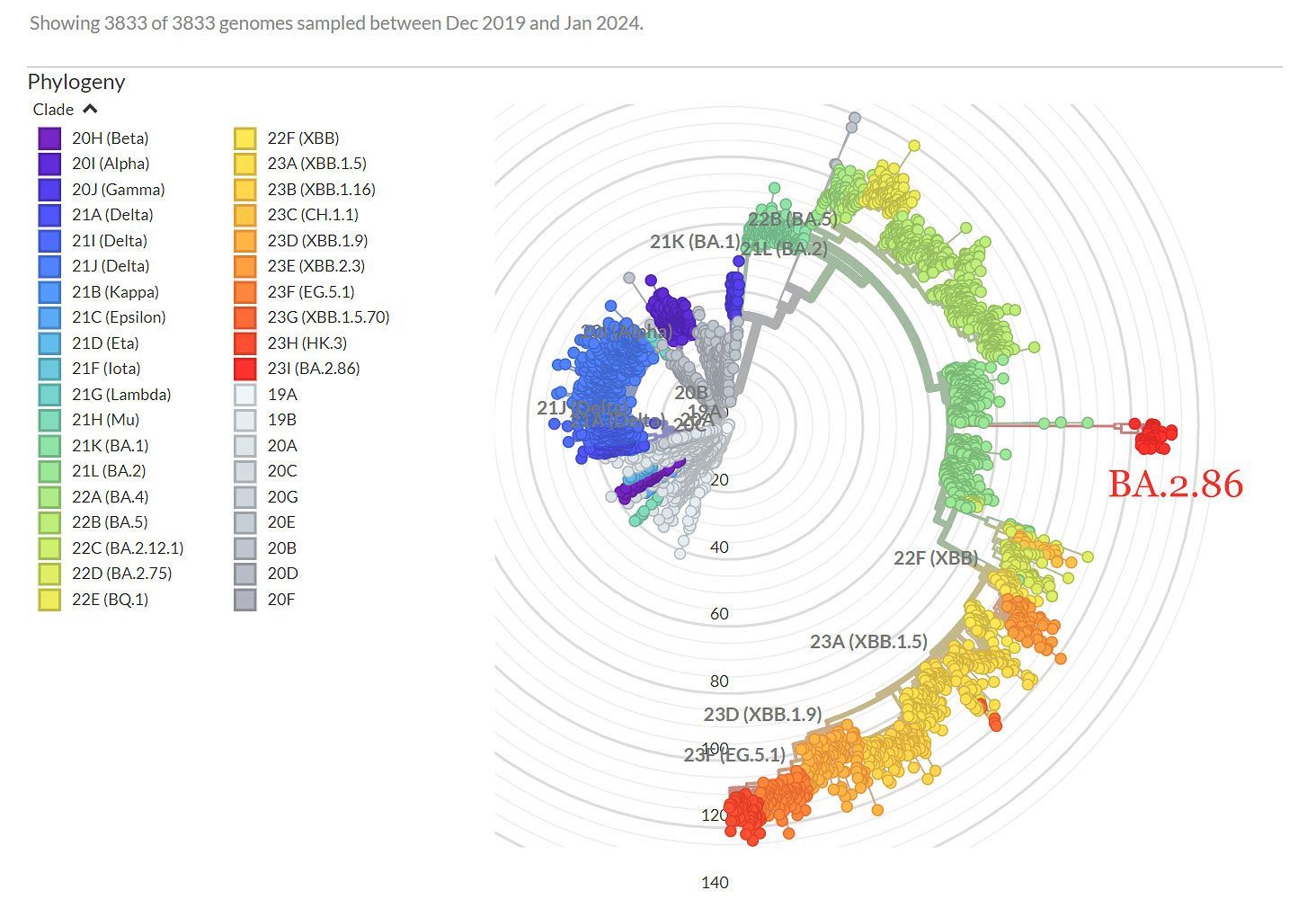
Genomic mapping of SARS-CoV-2 / COVID-19 variants and subvariants for 2020, 2021, 2022, 2023, 2024.
by NextStrain.org / GISAID.org 21 January 2024
❦ Genomic epidemiology of SARS-CoV-2 with subsampling focused globally since pandemic start. All data and data visualisation by © 2025 NextStrain.org / GISAID.org .
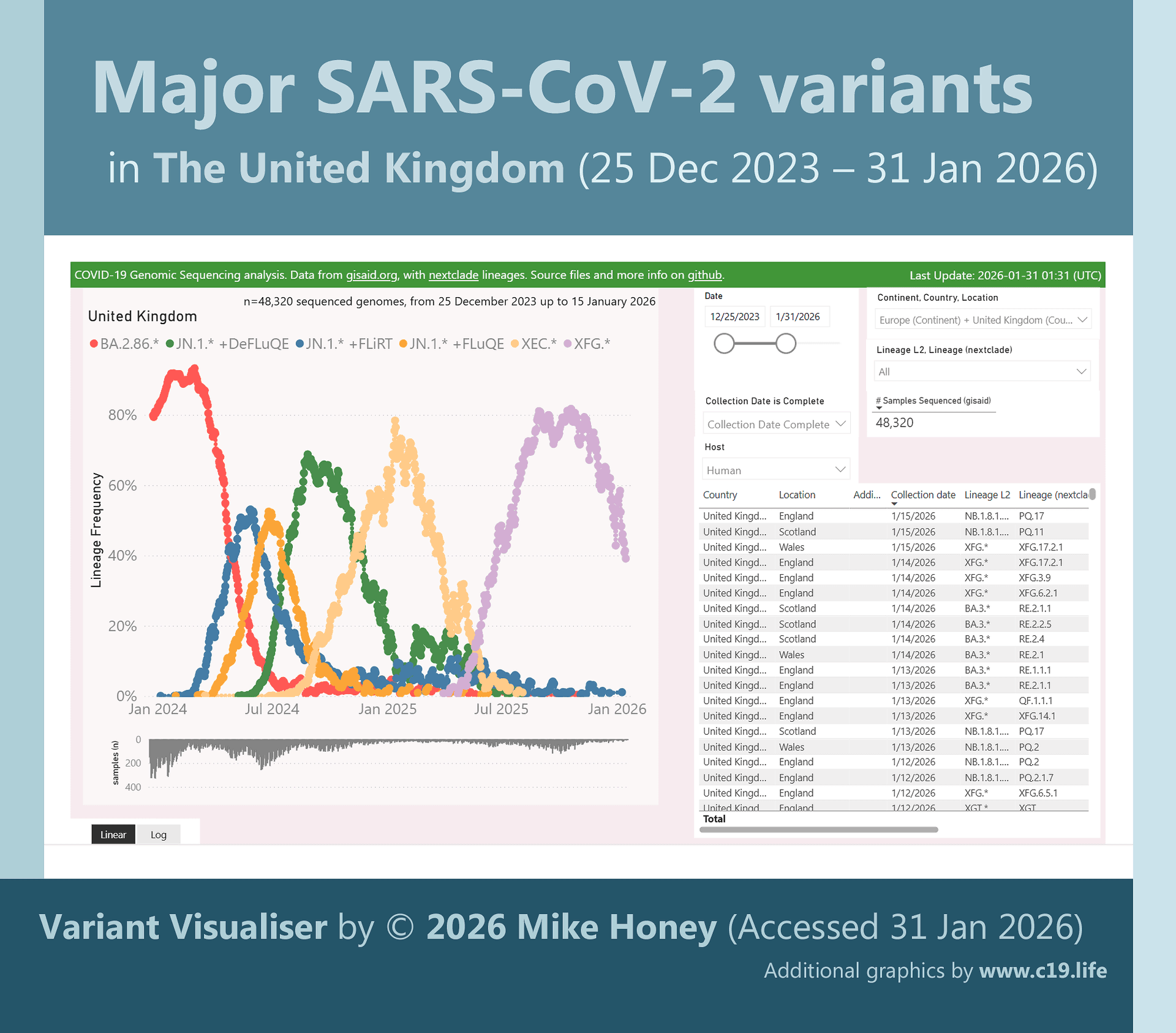
by Mike Honey 19 January 2024
❦ Mike Honey’s Variant Visualiser (COVID-19 Genomic Sequence Analysis). The region of ‘Oceania/Australia’ is set by default, as the visualiser was created by Mike Honey , a Data Visualisation and Data Integration specialist in Melbourne, Australia. ➲ Choose your country by clicking on the ‘ Continent, Country, Location ’ dropdown menu in the top-right-hand corner . The variant visualiser is free to use, and is automatically updated every time you open the link. ❂ © 2024 Mike Honey .
by Professor Phil Banfield (BMA) & Dr. Barry Jones (CAPA) 22 December 2023
‘It is accepted that COVID-19 can be and is spread by the airborne route. The recent evidence given at the UK COVID-19 Inquiry clearly shows that aerosol transmission is a significant, and almost certainly the dominant, route of transmission for COVID-19.’ The British Medical Association (22 Dec 2023)
by Royal College of Nursing (RCN) (UK) 21 December 2023
‘The RCN is urging healthcare employers to assess the risk posed by COVID-19 and put appropriate safeguards in place for patients and staff. WHO [has] advised healthcare workers and health facilities to implement universal masking in health facilities, as well as appropriate masking, respirators and other personal protective equipment for health workers caring for suspected and confirmed COVID-19 patients; and to improve ventilation in health facilities.’ ✾ ❦ We’ve contacted chief nursing officers in all four UK countries and the UKHSA to find out what action will be taken in response to WHO’s statement on a new COVID-19 variant of interest. The RCN is asking for a revision to current guidelines , to introduce universal implementation of the two measures advised by the World Health Organization (WHO) to help protect healthcare staff against COVID-19. Earlier this week, in light of the new COVID JN.1 variant, WHO advised healthcare workers and health facilities to: implement universal masking in health facilities , as well as appropriate masking , respirators and other personal protective equipmen t for health workers caring for suspected and confirmed COVID-19 patients ; improve ventilation in health facilities . The existing national infection prevention and control manuals don’t require standardised masking for COVID-19, and decisions on respiratory protective equipment are left to local risk assessments. This is now inconsistent with WHO’s latest advice . We also have concerns about the adequacy of ventilation in general ward and outpatient areas within hospital buildings and believe that action must be taken to assess and improve this. Although evidence suggests that the global public health risks from the new variant are low, WHO has warned that onset of winter could increase the burden of respiratory infections in the Northern hemisphere. This comes when there are already unsustainable pressures on the health service. Figures show that there has been a rise in COVID-19 cases and hospitalisations , and the RCN argues that without proper protections , ill health could continue to rise in nursing staff and impact their ability to deliver safe and effective patient care . WHO has advised that it is continuously monitoring the evidence and will update the JN.1 risk evaluation as needed. The RCN is urging healthcare employers to assess the risk posed by COVID-19 and put appropriate safeguards in place for patients and staff . Our COVID-19 workplace risk assessment toolkit aims to help assess and manage the risks associated with respiratory infections such as COVID-19, highlights the duties of nursing staff in specific roles (such as health and safety reps), has advice for employers and leaders, and provides the latest information on risk assessment. ❂ 📖 (21 Dec 2023 ~ Royal College of Nursing / RCN Magazine) COVID JN.1 variant: RCN seeks assurance on new PPE advice ➤ © 2023 Royal College of Nursing (RCN).
by The World Health Organization (WHO) 19 December 2023
❦ ‘Due to its rapidly increasing spread , WHO is classifying the variant JN.1 as a separate variant of interest ( VOI ) from the parent lineage BA.2.86 . It was previously classified as VOI as part of BA.2.86 sublineages. Based on the available evidence, the additional global public health risk posed by JN.1 is currently evaluated as low. Despite this, with the onset of winter in the Northern Hemisphere, JN.1 could increase the burden of respiratory infections in many countries. ➲ Read the risk evaluation: ‘Tracking SARS-CoV-2 variants’ . WHO is continuously monitoring the evidence and will update the JN.1 risk evaluation as needed. Current vaccines continue to protect against severe disease and death from JN.1 and other circulating variants of SARS-CoV-2, the virus that causes COVID-19. COVID-19 is not the only respiratory disease circulating. Influenza, RSV and common childhood pneumonia are on the rise. ➲ WHO advises people to take measures to prevent infections and severe disease using all available tools . These include: • Wear a mask when in crowded, enclosed, or poorly ventilated areas, and keep a safe distance from others, as feasible. • Improve ventilation . • Practise respiratory etiquette – covering coughs and sneezes. • Clean your hands regularly. • Stay up-to-date with vaccinations against COVID-19 and influenza, especially if you are at high risk for severe disease. • Stay home if you are sick . • Get tested if you have symptoms, or if you might have been exposed to someone with COVID-19 or influenza. ✻ ➲ For health workers and health facilities , WHO advises : • Universal masking in health facilities , as well as appropriate masking , respirators and other PPE for health workers caring for suspected and confirmed COVID-19 patients . • Improve ventilation in health facilities. Note : Updated 19 Dec 2023 with additional information for health workers and facilities. ’ ❂ 📖 (19 Jan 2023 ~ WHO / World Health Organization) World Health Organization (WHO) Media Advisory for the COVID-19 variant of interest (VOI) JN.1 ➤ © 2023 WHO / World Health Organization. ❦ Date accessed : 11 Jan 2024 .
by Rich Haridy / New Atlas 31 October 2023
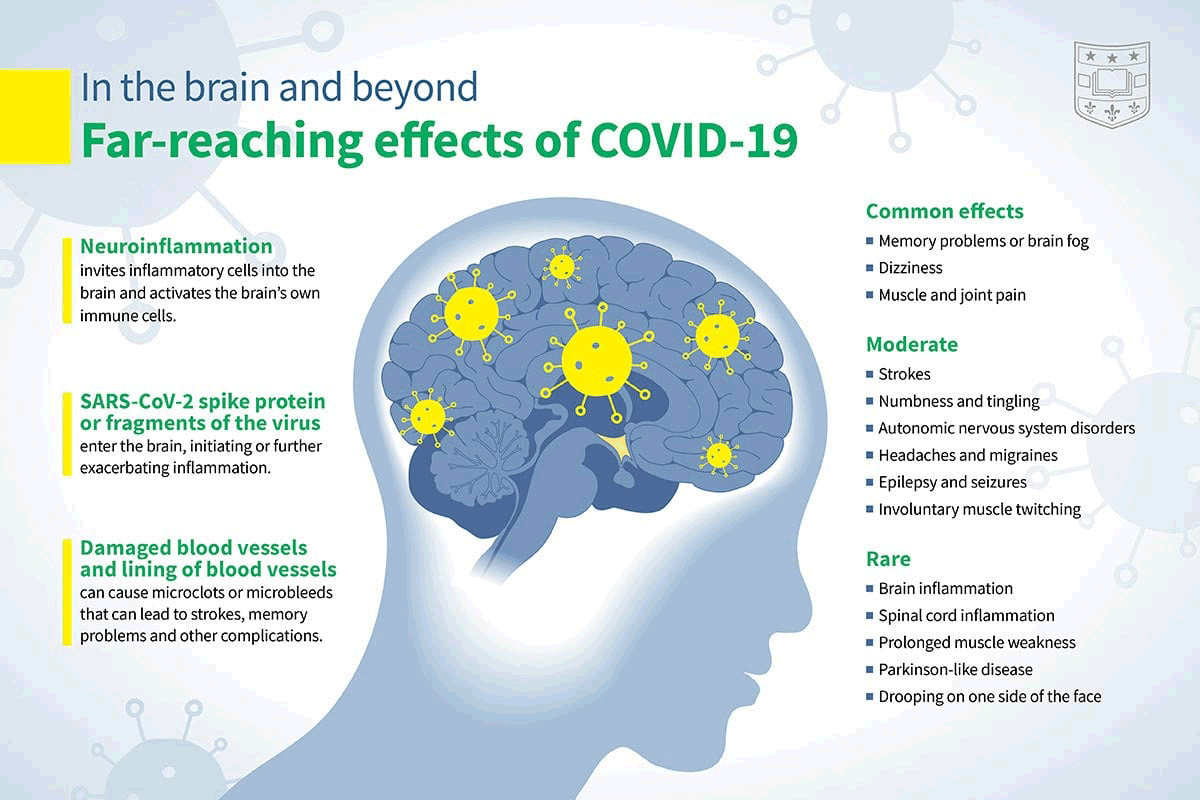
A layperson-level overview from New Atlas on how all variants of SARS-CoV-2 – the virus that causes COVID-19 – are ‘neuroinvasive’ , meaning that all can infect or enter the brain and the nervous system . (From July 2023 Nature Communications study: ‘Neuroinvasion and anosmia are independent phenomena upon infection with SARS-CoV-2 and its variants’.)
by Conor Browne 8 May 2023
❦ ‘A significant part of my professional role is forecasting: that is to say, quantifying the risks faced by commercial and other organisations in the future as a result of SARS-CoV-2 and other pathogens (especially H5N1). As such, I often produce bespoke scenarios for clients – 6 months, 12 months, 24 months into the future – assigning probabilities to each scenario occurring. As this article * makes clear, the risk of the emergence of a new Variant of Concern (VOC) within the next two years is about 20 percent. * 📖 (5 May 2023 ~ CNN) Covid-19 experts say they warned White House about chance of an Omicron-level event within the next two years ➤ Any risk manager reading this will know that this is a highly significant risk. Biological risks do not exist in isolation; rather, they are nested within both the domestic politics of any given jurisdiction, and within geopolitics in general. This is a very important point to remember. The recent declaration by the WHO * has (rightfully) angered many people – but, frankly, it has made little practical difference to what I do professionally. * 📖 (5 May 2023 ~ CNN) WHO says Covid-19 is no longer a global health emergency ➤ The vast majority of national governments essentially stopped addressing C-19 in any serious manner quite some time ago. This is the key domestic political risk that intersects with the biological risk of the emergence of a new VOC. National apathy regarding C-19, combined with the growing mainstreaming of both anti-vax sentiment and a reduction in infection control measures in general (such as dropping respirator use in healthcare environments), has created a very dangerous situation. In short, as a global society, we are less prepared now for either the emergence of another disease with pandemic potential (specifically H5N1 avian influenza), or the emergence of a SARS-CoV-2 VOC that exhibits significant immune evasion around current vaccines, than we were in 2019. If either – or both – of these were to occur within the next couple of years, we would be in deep, deep trouble. Currently, we are allowing SARS-CoV-2 to transmit entirely unchecked; this means that pressures on healthcare systems globally will inexorably continue to increase. Concurrently, the population of many jurisdictions worldwide are now primed to reject even the lightest of societal non-pharmaceutical interventions (NPIs) [ such as respirator/mask mandates ] . This combination virtually guarantees that should an immune-evasive VOC emerge we would see healthcare system collapse in many jurisdictions. The short-term goals of domestic politics (maintaining or attaining political power) relies on shying away from the discussion of anything to do with the pandemic. This is the tragic ground truth that has a high chance of coming back to bite us all very badly soon.’ © 2023 Conor Browne . ➲
by The Royal College of Nursing (RCN/UK) and The British Medical Association (BMA) 21 January 2021
‘Our very serious concerns relate to the risk of aerosol/airborne infection; RCN and BMA members working in all settings are raising concerns that they are not adequately protected. Our members are concerned that fluid-repellent surgical face masks [FRSM] and face coverings, as currently advised in most general healthcare settings, do not protect against smaller more infective aerosols. ’
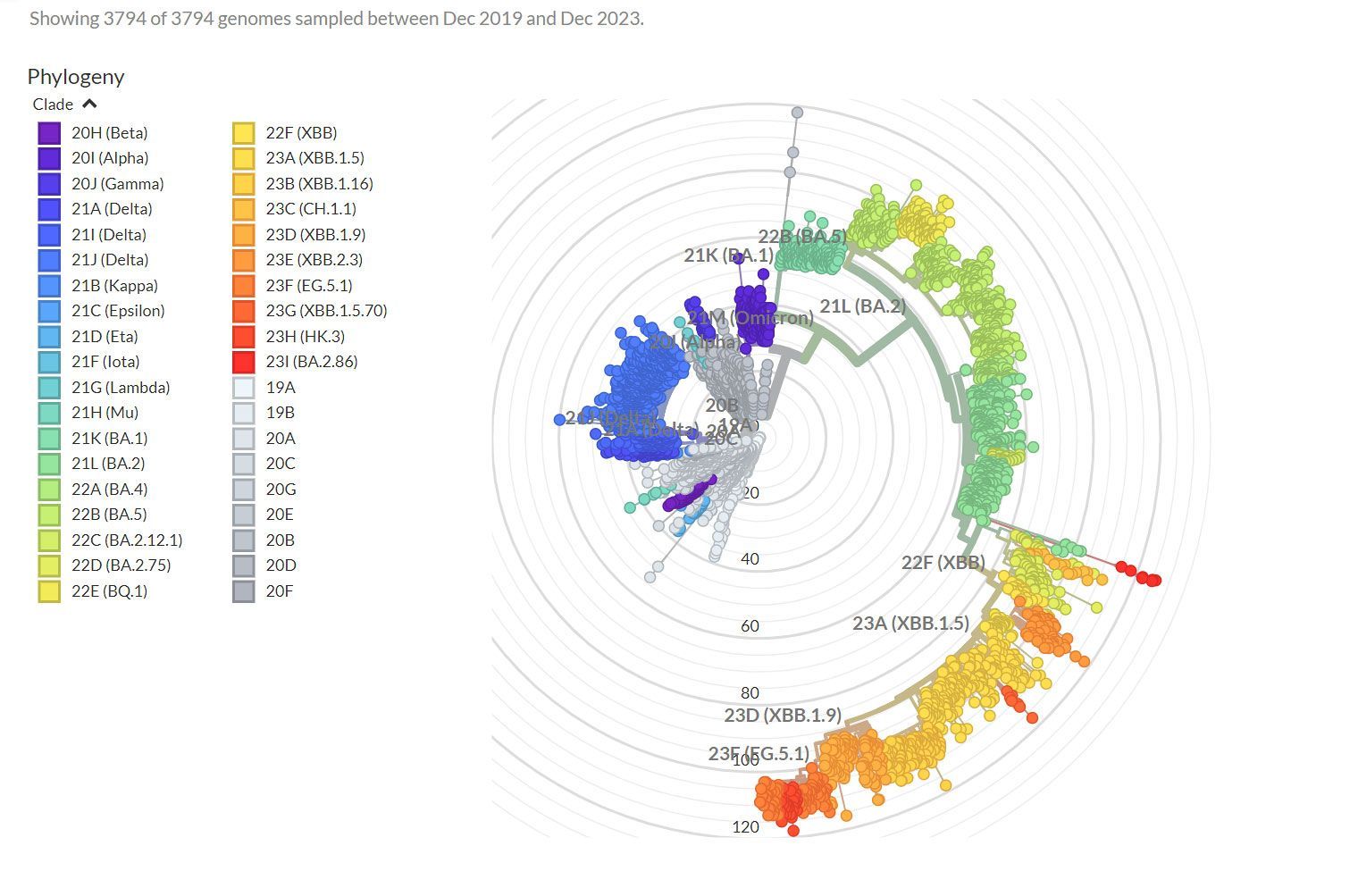
Phylogenic tree illustrating the evolution of the SARS-CoV-2 virus.
by Dr. Michael Lin, MD PhD 2 April 2020
❦ “I am realizing more and more how unusual, unscientific, unmedical, and counterproductive it is for the World Health Organization (WHO) to select the name COVID-19 and reject SARS2. In fact it would be most consistent with medical practice to just call it SARS. Here’s why. In 1981, cases of immunodeficiency emerged in San Francisco; in 1982 , the Centers for Disease Control and Prevention ( CDC ) named this disease acquired immunodeficiency syndrome ( AIDS ). No agent was known at the time... Compare : in 2002 , cases of atypical non-bacterial pneumonia appeared in Guandong; in 2003 the CDC named this severe acute respiratory syndrome ( SARS ). No agent was known at the time... In 1983 , the virus that causes AIDS was discovered by Françoise Barré-Sinoussi and Luc Montaignier. It was eventually named HIV in 1986 by the International Committee on the Taxonomy of Viruses ( ICTV ). Compare : in 2003 , the virus that causes SARS was isolated in Hong Kong, sequenced by the CDC and a Canadian consortium. It was named SARSCoV in 2004 by the ICTV. ➲ Taxon Details for Severe acute respiratory syndrome-related coronavirus ➤ In 1986 , a milder acquired immunodeficiency syndrome was discovered in West Africa, and the virus was quickly isolated by the Montaignier group. It had 50% sequence identity to HIV . The virus was named HIV-2 . The disease name ? Unchanged: AIDS . Compare : In 2019 , a severe acute respiratory distress syndrome was discovered in Wuhan and the virus was quickly isolated by Wuhan scientists. It had 79% sequence identity to SARSCoV . The virus was named SARSCoV-2 by the ICTV. The disease name ? Well, that’s when the WHO stepped in. To review: HIV-1 and HIV-2 are 50% identical , and both cause immunodeficiency . They result in different disease severities (you’re less likely to die from HIV-2) – but the diseases they cause are (or the disease they cause is) considered the same : AIDS . SARSCoV-1 and SARSCoV-2 are 79% identical , and both cause severe acute respiratory distress . They result in different disease severities (you’re less likely to die from SARSCoV-2), so by analogy to HIV-1/2→AIDS , the diseases they cause should be considered the same : SARS . However, the WHO stepped in (why does the CDC have to defer to them anyway?) and decided that the one requirement for the name was that it not mention SARS . Thus the terrible name COVID-19 was chosen. It stands for coronavirus disease , and thus has no useful medical information . It is an open suspicion that this was done to deflect criticism for a slow response to what is basically a second SARS epidemic . Because we already knew how to stop [the airborne] SARSCoV – and knew that it was bad – there was no excuse for not quickly addressing what is basically a strain of SARSCoV . The purposeful hiding of the identity of the COVID-19 virus – that it is a strain of SARS virus – has had severe negative consequences to world health . By not realizing that we are dealing with SARS, many political leaders have failed to address the epidemic forcefully enough. Also, the term COVID-19 hinders clinical education and communication . Let’s compare to AIDS again. Calling the disease(s) caused by HIV-1 and HIV-2 as AIDS in both cases has clinical utility . The signs and symptoms are similar enough that it helps to consider HIV-1/2 together . Considering HIV-1/2 together also reminds us that treatments and preventive steps we learn from one can be used on the other . Likewise, COVID-19 should have been called SARS , SARS2 , or – as a compromise – variably severe acute respiratory syndrome , vSARS . Li Wenliang , who warned about the new outbreak in Wuhan, had it exactly right : “Seven confirmed cases of SARS were reported... The latest news is, it has been confirmed that they are coronavirus infections , but the exact virus strain is being subtyped.” Disease names have always been guided by a desire to inform . The WHO has taken the opposite approach , to misinform . Not surprisingly, confusion has resulted. With millions dying , we are now seeing the tragic consequences of WHO’s placement of politics over medicine and science . Since some people seem to have already forgotten their history (or maybe were living under a rock when the WHO naming decision happened), here’s the quote from the WHO itself...” ✾ ❦ From Science , 12 Feb 2020 : “COVID-19. I’ll spell it: C-O-V-I-D hyphen one nine. COVID-19.” ‘That’s how Tedros Adhanom Ghebreyesus, head of the World Health Organization (WHO), introduced the agency’s official name for the new disease that’s paralyzing China and threatening the rest of the world. The Coronavirus Study Group (CSG) of the International Committee on Taxonomy of Viruses, the paper noted, had decided that the virus is a variant of the coronavirus that caused an outbreak of severe acute respiratory syndrome (SARS) in 2002–03. So, it named the new pathogen severe acute respiratory syndrome-related coronavirus 2 , or SARS-CoV-2 . But that’s not a name WHO is happy with , and the agency isn’t planning on adopting it. “From a risk communications perspective , using the name SARS can have unintended consequences in terms of creating unnecessary fear for some populations, especially in Asia which was worst affected by the SARS outbreak in 2003,” a WHO spokesperson wrote in an email to Science . “ For that reason and others , in public communications WHO will refer to ‘the virus responsible for COVID-19’ or ‘the COVID-19 virus , ’ but neither of these designations is intended as replacements for the official name of the virus” that the study group has picked. Misunderstandings about the virus and disease names began almost immediately ...’ 📖 (12 Feb 2020 ~ Science) Update: ‘A bit chaotic.’ Christening of new coronavirus and its disease name create confusion ➤ ✾ ❦ From the WHO Director-General’s mouth on 11 Feb 2020 : — “First of all, we now have a name for the disease: COVID-19. I’ll spell it: C-O-V-I-D hyphen one nine – COVID-19. Under agreed guidelines between WHO, the World Organisation for Animal Health and the Food and Agriculture Organization of the United Nations, we had to find a name that did not refer to a geographical location, an animal, an individual or group of people, and which is also pronounceable and related to the disease .” [Ed: So ‘ SARS ’ would’ve worked, then.] “Having a name matters to prevent the use of other names that can be inaccurate or stigmatizing. It also gives us a standard format to use for any future coronavirus outbreaks ...” 📖 (11 Feb 2020 ~ World Health Organization) WHO Director-General’s remarks at the media briefing on 2019-nCoV on 11 February 2020 ➤ ❂ © 2020 by Dr. Michael Lin, MD PhD ➲