On the risk of the emergence of a new Variant of Concern (VOC)
❦ ‘A significant part of my professional role is forecasting: that is to say, quantifying the risks faced by commercial and other organisations in the future as a result of SARS-CoV-2 and other pathogens (especially H5N1).
As such, I often produce bespoke scenarios for clients – 6 months, 12 months, 24 months into the future – assigning probabilities to each scenario occurring.
As this article* makes clear, the risk of the emergence of a new Variant of Concern (VOC) within the next two years is about 20 percent.
*📖 (5 May 2023 ~ CNN) Covid-19 experts say they warned White House about chance of an Omicron-level event within the next two years ➤
Any risk manager reading this will know that this is a highly significant risk.
Biological risks do not exist in isolation; rather, they are nested within both the domestic politics of any given jurisdiction, and within geopolitics in general.
This is a very important point to remember.
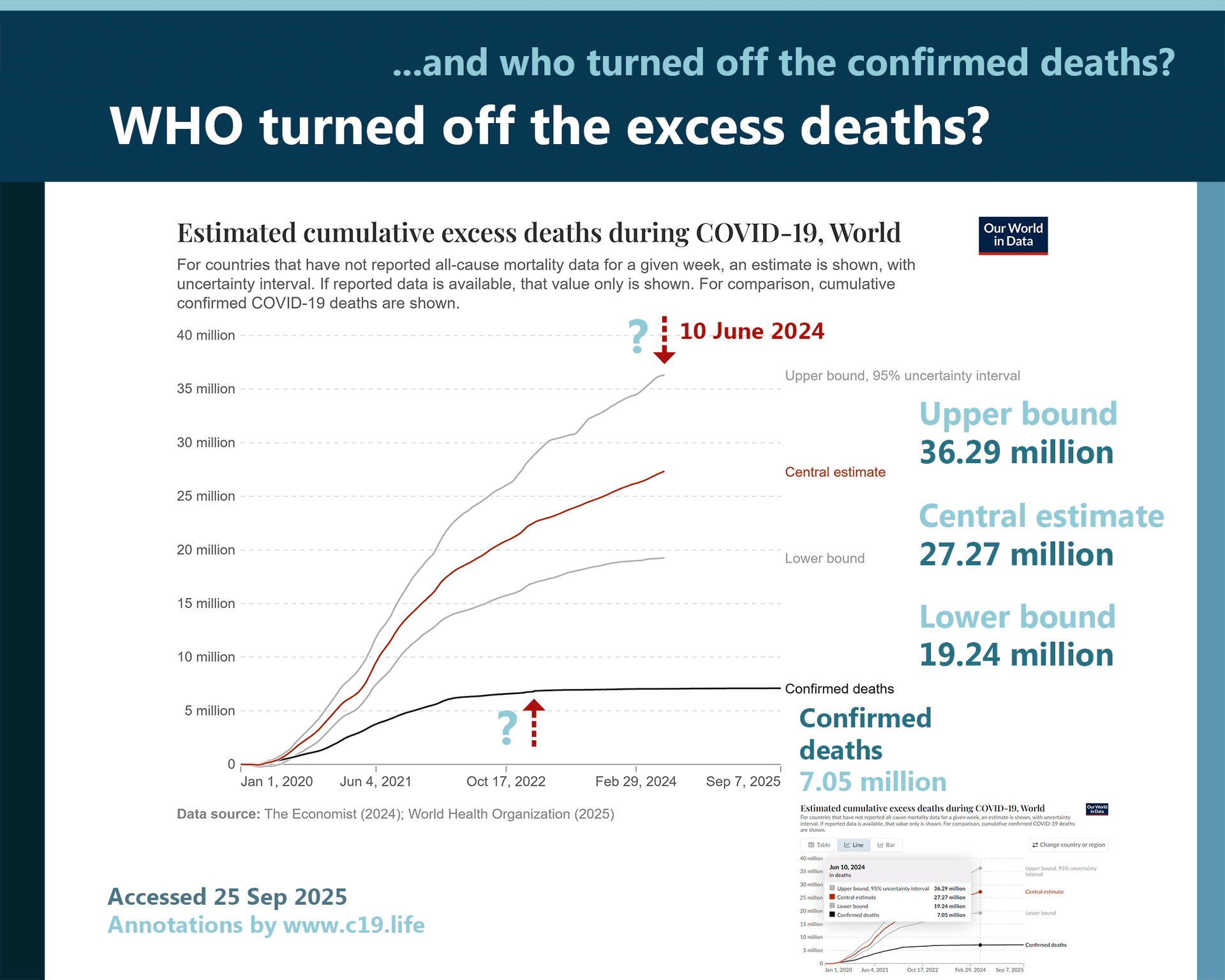
The recent declaration by the WHO* has (rightfully) angered many people – but, frankly, it has made little practical difference to what I do professionally.
*📖 (5 May 2023 ~ CNN) WHO says Covid-19 is no longer a global health emergency ➤
The vast majority of national governments essentially stopped addressing C-19 in any serious manner quite some time ago.
This is the key domestic political risk that intersects with the biological risk of the emergence of a new VOC.
National apathy regarding C-19, combined with the growing mainstreaming of both anti-vax sentiment and a reduction in infection control measures in general (such as dropping respirator use in healthcare environments), has created a very dangerous situation.
In short, as a global society, we are less prepared now for either the emergence of another disease with pandemic potential (specifically H5N1 avian influenza), or the emergence of a SARS-CoV-2 VOC that exhibits significant immune evasion around current vaccines, than we were in 2019.
If either – or both – of these were to occur within the next couple of years, we would be in deep, deep trouble.
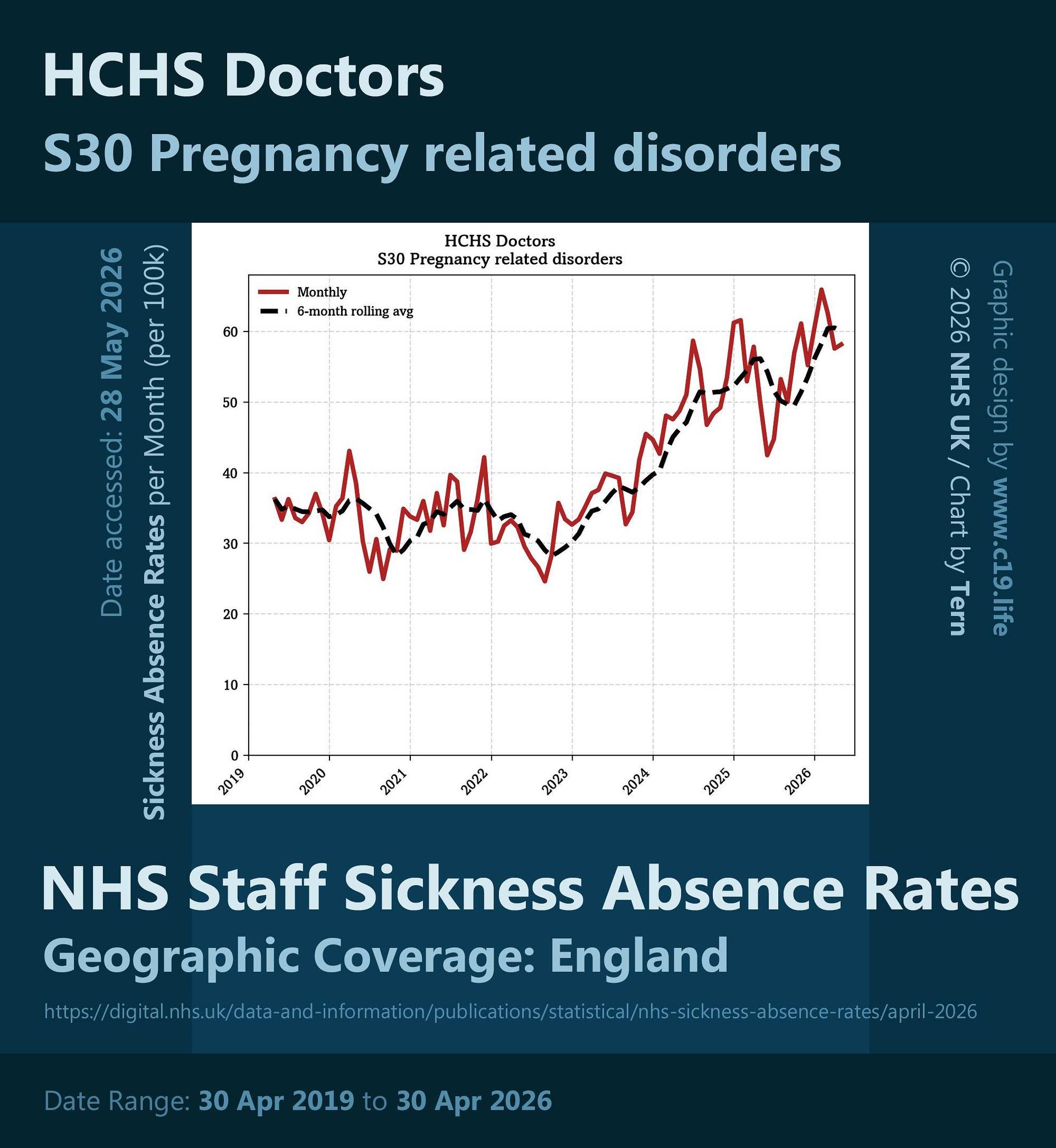
Currently, we are allowing SARS-CoV-2 to transmit entirely unchecked; this means that pressures on healthcare systems globally will inexorably continue to increase.
Concurrently, the population of many jurisdictions worldwide are now primed to reject even the lightest of societal non-pharmaceutical interventions (NPIs) [such as respirator/mask mandates].
This combination virtually guarantees that should an immune-evasive VOC emerge we would see healthcare system collapse in many jurisdictions.
The short-term goals of domestic politics (maintaining or attaining political power) relies on shying away from the discussion of anything to do with the pandemic.
This is the tragic ground truth that has a high chance of coming back to bite us all very badly soon.’
© 2023 Conor Browne. ➲