C19.Life
‘First do no harm; then try to prevent it.’
Professor Geoffrey Hughes, DRCOG, FFAEM, FRCP, FACEM / Emergency Medicine Journal (2007) ➲
❦ the early SARS-CoV-2 (COVID-19) narrative
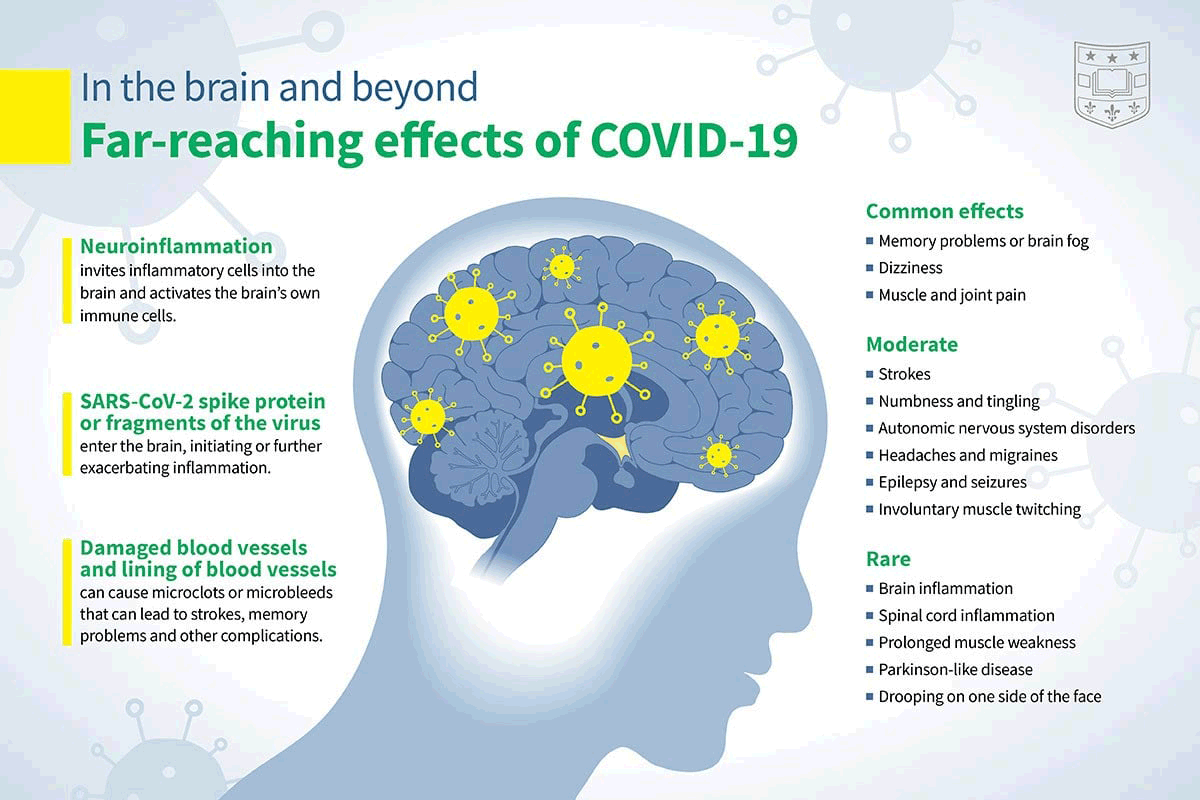
‘The narrative that COVID-19 had only respiratory sequelae led to a delayed realization of the neurological, cardiovascular and other multi-system impacts of COVID-19 [SARS-CoV-2 infection].’
Nature Reviews Microbiology (2023) ➲
❦ on not needing to read between the lines
‘Despite the perception that COVID-19 [SARS-2] is now a mild disease, there is overwhelming evidence indicating that SARS-CoV-2 infection is capable of producing widespread post-acute sequelae in a significant percentage of infections.
This includes a substantial impact on the nervous system resulting from a combination of direct infection, systemic inflammation, immune dysfunction, vascular complications, and tissue hypoxia.’
Psychiatry and Clinical Neurosciences (2025) ➤
❦ on playing with SARS viruses
‘The clinical manifestations of COVID-19 [SARS-CoV-2 infection] range from asymptomatic to fatal.
Post-COVID-19 conditions are characterized by multi-organ structural and functional impairment, including cardiovascular, neurological, psychiatric, hematological, pulmonary, and dermatological injury.
Although COVID-19 primarily presents as a respiratory infection with flu-like symptoms, it is now considered a multi-organ disease, often involving the nervous system.
Recent evidence indicates that approximately 80% of people who are infected with COVID-19 have one or more long-term symptoms.’
The Lancet Regional Health: Western Pacific (2023) ➤
❦ from lung to multi-organ systems
‘Initially focused on respiratory symptoms, it’s now clear that COVID-19 presents a complex clinical picture affecting various organ systems.
Our findings reveal that a substantial proportion of pediatric COVID-19 patients with neurological symptoms exhibit abnormal neuroimaging findings, with 43.74% of children in the included studies demonstrating such abnormalities.’
Nature Scientific Reports (2024) ➤
❦ on not sparing the children
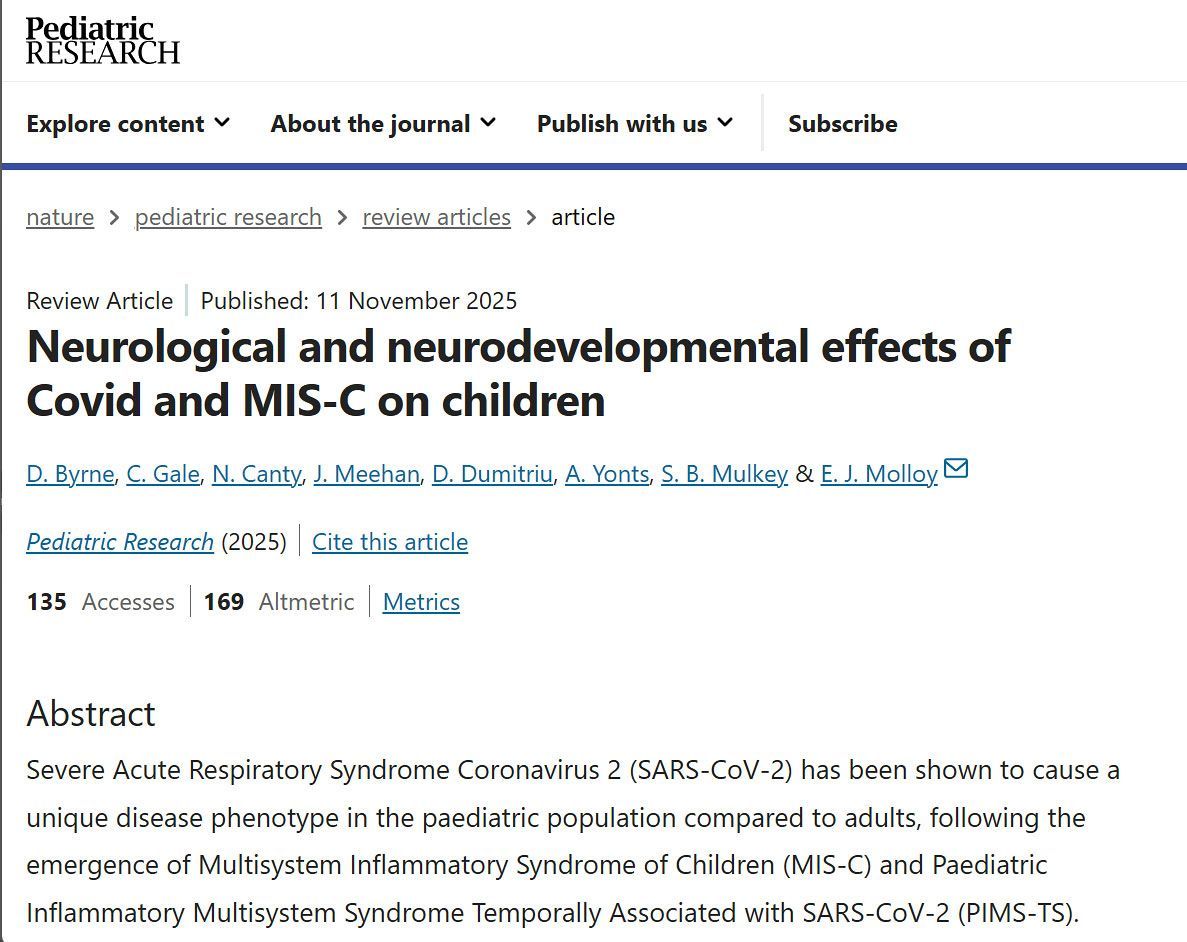
‘While the respiratory symptoms of COVID-19 have dominated the early narratives of the disease, it has become increasingly clear that the virus’s impact stretches far beyond the lungs.
The pediatric population, once thought to be relatively spared from severe outcomes, has presented with significant neurological manifestations that raise concerns about the short- and long-term effects of SARS-CoV-2 on the developing nervous system.’
Nature Pediatric Research (2025) ➲
❦ the continuing SARS-CoV-2 narrative of hand-washing for an airborne virus
SARS-CoV-2 – the virus that causes COVID-19 – is airborne.
In May 2021, the WHO officially recognised that SARS-CoV-2 is primarily and predominantly airborne via microscopic aerosols – meaning that the virus is transmissible through the air at both long and short range.
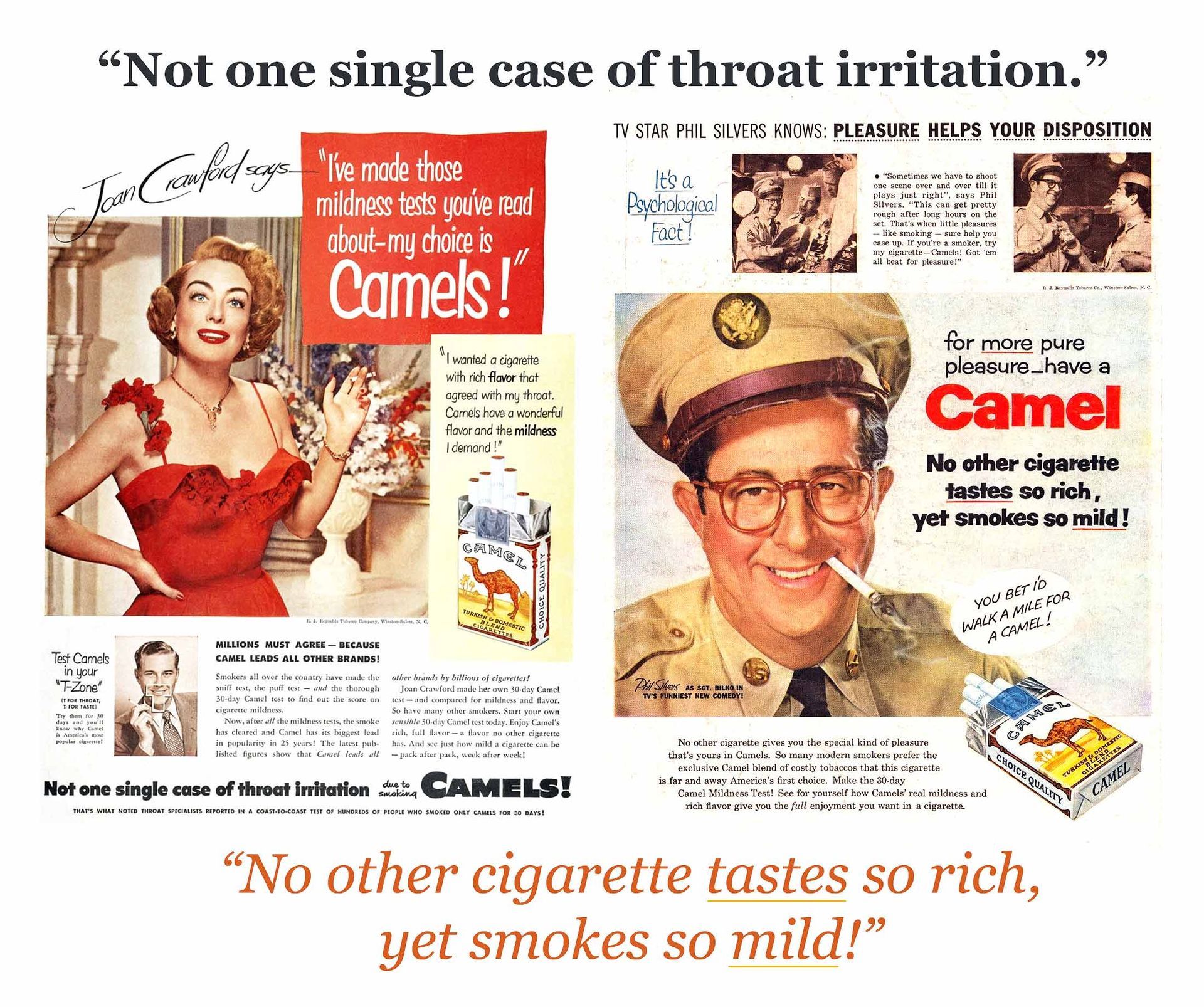
To extol hand-washing as a primary defence against SARS-CoV-2 infection is about as stupid as promising a two-pack-a-day smoker that the simple formula of soap + water will prevent chronic obstructive pulmonary disease and lung cancer.
All Archives

❦ on reinfections and SARS-CoV-2
‘Reinfection, which is now the dominant type of SARS-CoV-2 infection, is not inconsequential; it can trigger de novo Long Covid [PASC] or exacerbate its severity.
Each reinfection contributes additional risk of Long Covid [PASC]: cumulatively, two infections yield a higher risk of Long Covid than one infection, and three infections yield a higher risk than two infections.’
Science (2024) ➲
❦ playing the long [blame-]game
‘The main symptoms during the first infection in this Omicron wave were fever and sore throat, while sore throat was the main symptom in the reinfection; the average interval for SARS-CoV-2 [COVID-19] reinfection was 149.91 days.
The reasons for COVID-19 reinfection are multifaceted, primarily including low antibody levels, the shortened duration of immune protection provided by antibodies, the mutation of viral strains, non-adherence to epidemic prevention measures by the population, hesitancy towards vaccination, and public fatigue due to the prolonged pandemic.’
BMC Infectious Diseases (2024) ➤
❦ on reinfections, milder symptoms, and increased severity & incidence of Post-Acute Sequelae of COVID-19 (PASC)
‘While acute [short-term] symptoms of reinfection are generally milder, the severity and incidence rate of long COVID [PASC] increase significantly with the number of reinfections.’
The Lancet: Regional Health (Western Pacific) (2024) ➤
On Reinfections

❦ Durability of XBB.1.5 Vaccines against Omicron Subvariants
‘The [Omicron XBB.1.5] vaccine effectiveness against infection reached a level of 52.2% after 4 weeks. It decreased to 32.6% after 10 weeks, and to 20.4% after 20 weeks.
The effectiveness against hospitalization reached a level of 66.8% after 4 weeks, and decreased to 57.1% after 10 weeks.
The [Omicron] XBB.1.5 vaccines were less protective against [Omicron] JN.1 than against [Omicron] XBB sublineages.’
The New England Journal of Medicine (2024) ➤
On Vaccination
❦ on vaccine effectiveness
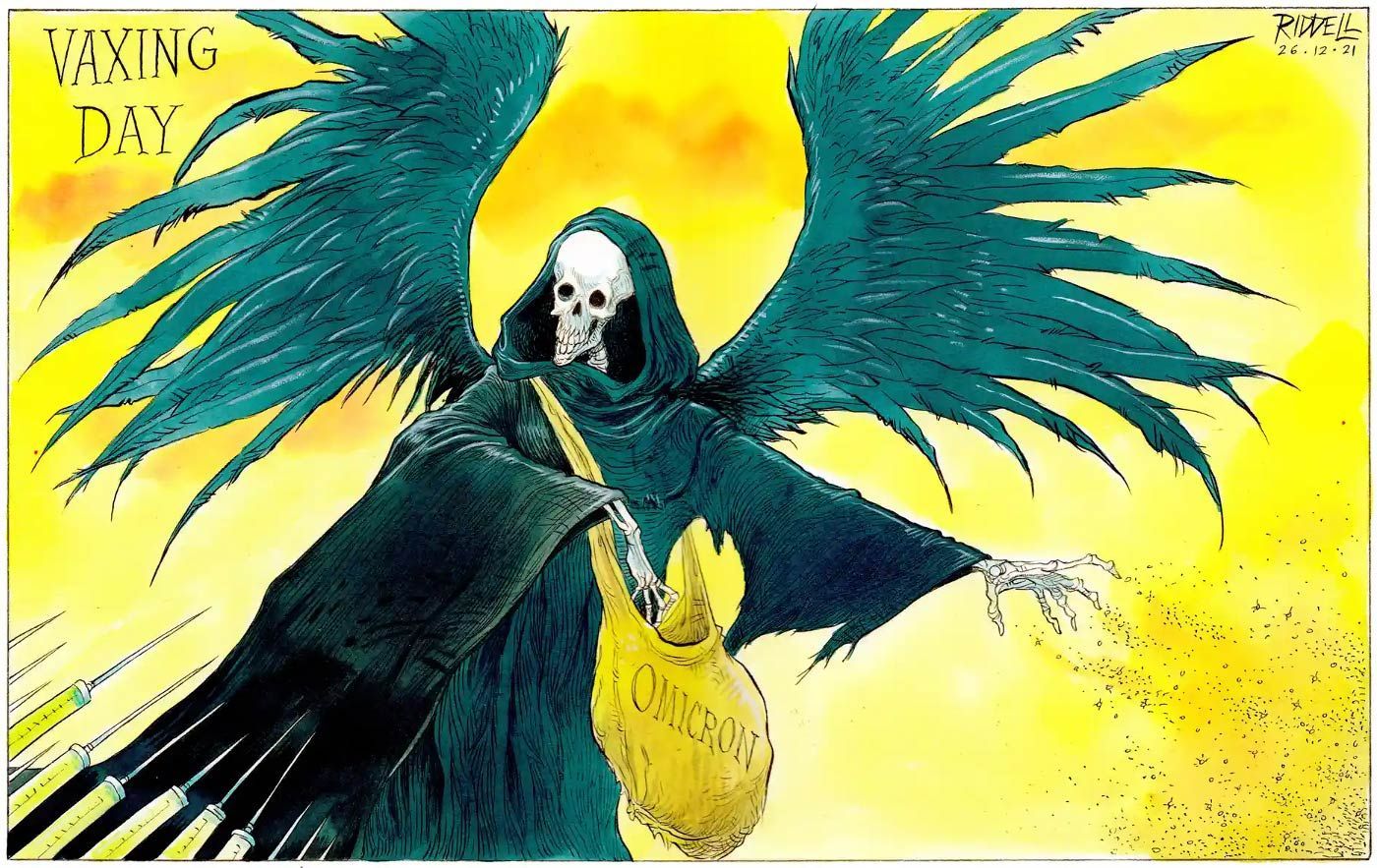
‘Vaccine effectiveness against SARS-CoV-2 infection [COVID-19] declines markedly with time and Omicron variants.’
European Respiratory Review (2025) ➲
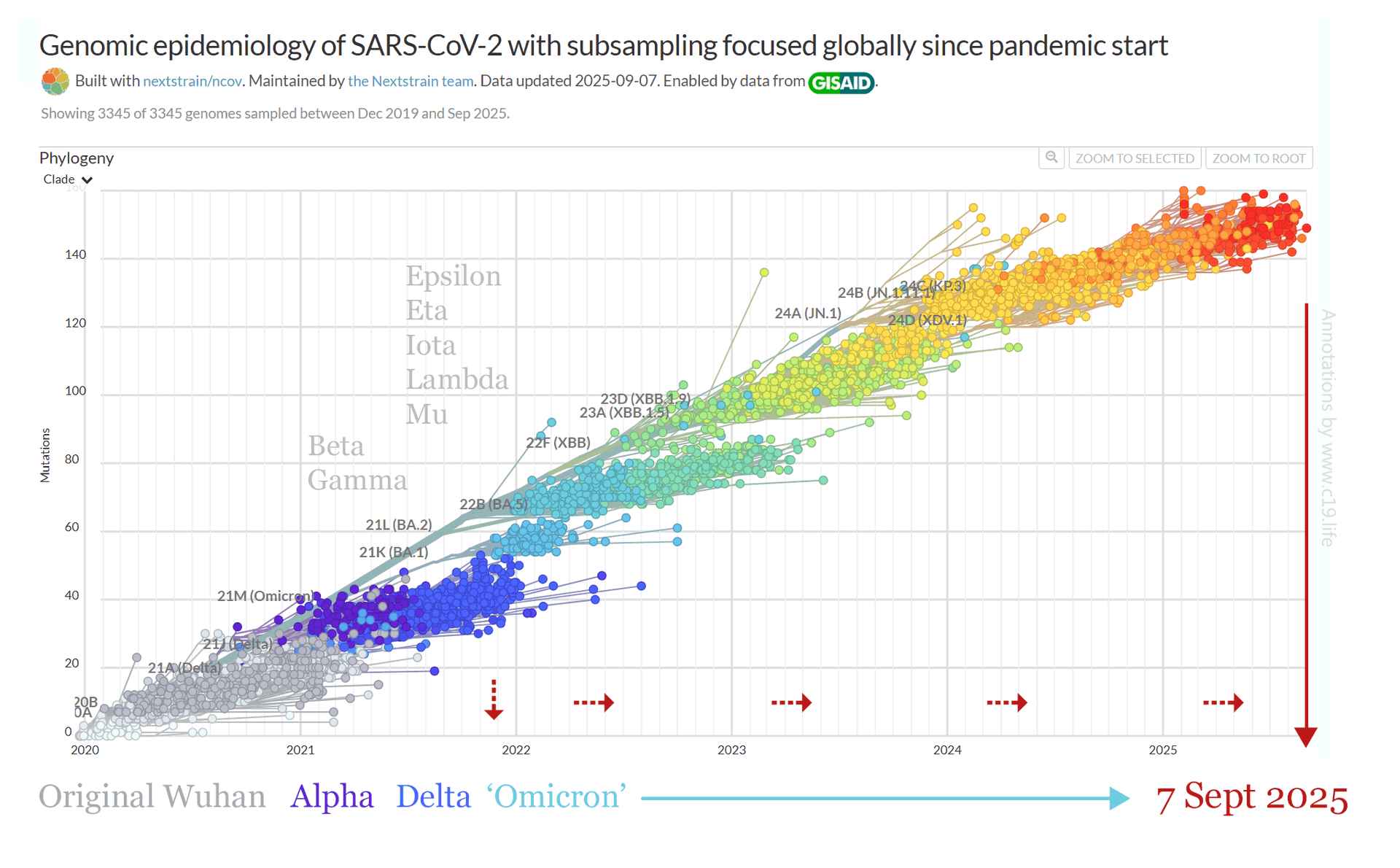
❦ ‘Omicron variants’ during the ‘Omicron Era’ (late 2021–).
© 2025 NextStrain.org / GISAID.org ~ Annotations by C19.Life.

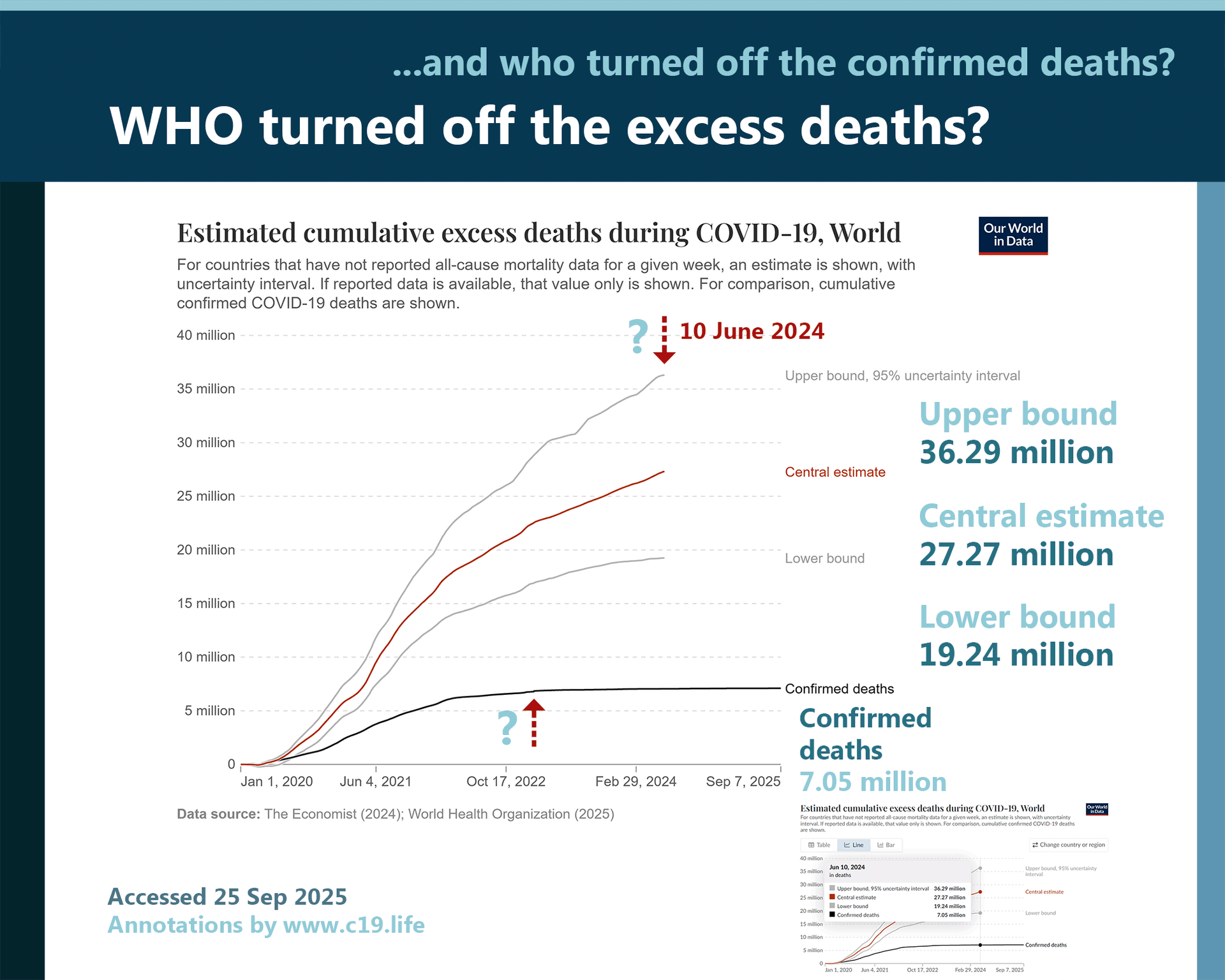
❦ ‘Estimated cumulative excess deaths during COVID-19, World’.
© 2025 OurWorldInData.org ➤ / World Health Organization (WHO) / The Economist ~ Annotations by C19.Life.
✾ For a full picture, see ‘A WHO’s Who of VOCs, VOIs and VUMs: Alphabet Stew and Numeric Ragout for Dummies’ by C19.Life.
❦ title
xxx
Subtext
❦ title
xxx
Subtext
❦ title
xxx
Subtext
❦ title
xxx
Subtext
❦ title
xxx
Subtext
❦ title
xxx
Subtext
❦ title
xxx
Subtext
❦ title
xxx
Subtext