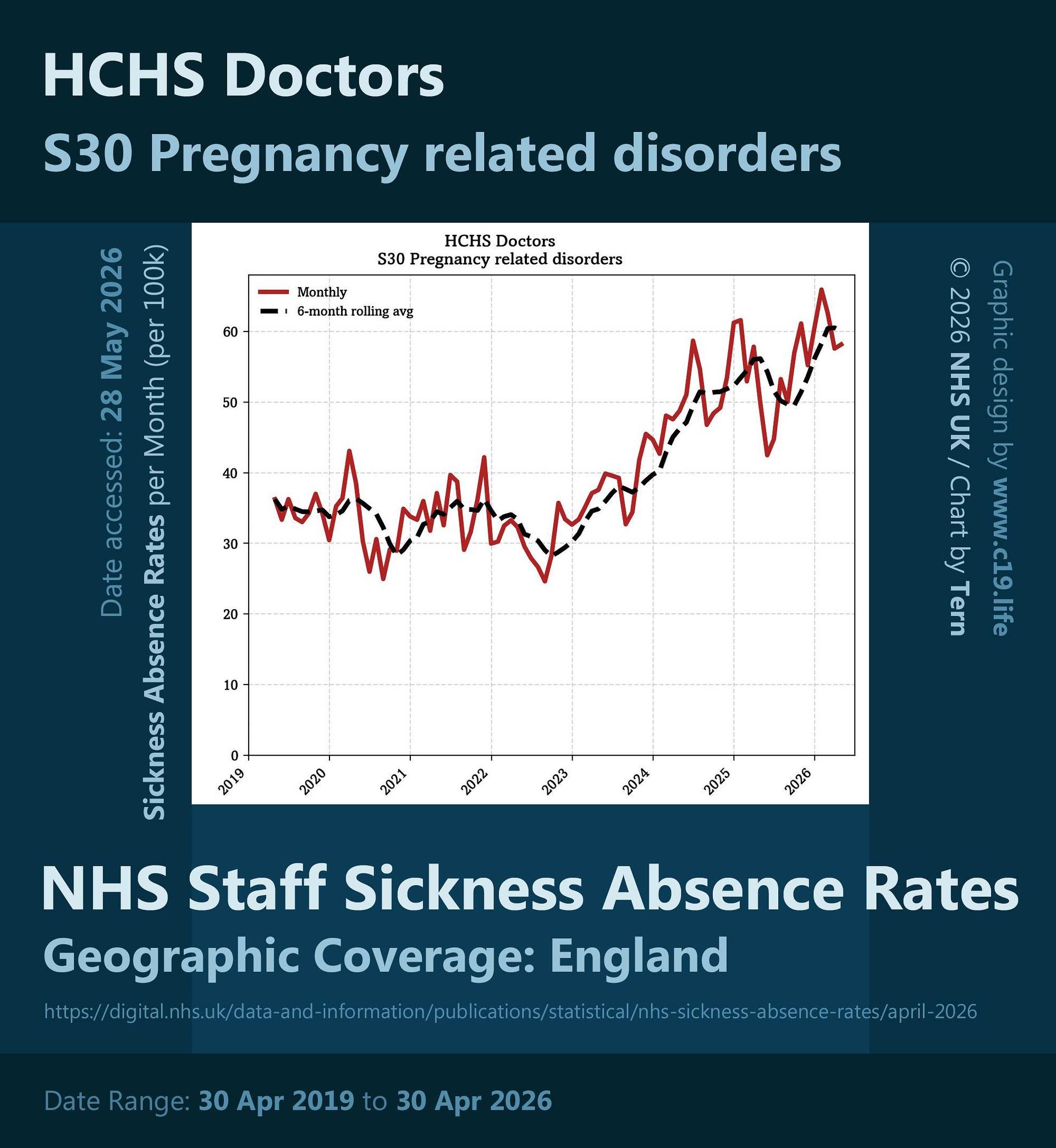
📖 The impact of COVID-19 on the reproductive system
❦ ‘SARS-CoV-2 enters the human body through the ACE2 receptor and exerts different effects on various systems of the human body.
Regarding the impact of COVID-19 on the reproductive system, ACE2 is highly expressed in the testis of the male reproductive system.
A study of scRNA-seq data in adult human testes showed that male gonads may be infected with SARS-CoV-2, which may cause male reproductive dysfunction.
The increase in pro-inflammatory cells and decrease in androgens in men infected with SARS-CoV-2 may lead to a decreased gonadal function.
SARS-CoV-2 may also infect the ovaries, uterus, vagina, and placenta in the female reproductive system through the expression of ACE2 receptors, leading to infertility, menstrual disorders, and fetal distress.
Pregnant women infected with SARS-CoV-2 have a lower incidence of vertical transmission of the virus to newborns, which may be related to the lower expression of ACE2 and TMPRSS2 in the placenta and an increase in SARS-CoV-2-specific antibodies and IgG during pregnancy; however, it may cause inflammation of the placenta, which increases the risk of pre-eclampsia and placental abruption during pregnancy.
ACE2 is expressed at a high level in testicular tissues compared to that in the ovaries and uterus.
Therefore, male patients may be slightly more affected by SARS-CoV-2 infection than females.’
❂
📖 (20 Sep 2022 ~ Frontiers in Cellular and Infection Microbiology) Therapeutic prospects of ceRNAs in COVID-19 ➤
© 2022 Lin Liu et al / Frontiers in Cellular and Infection Microbiology.
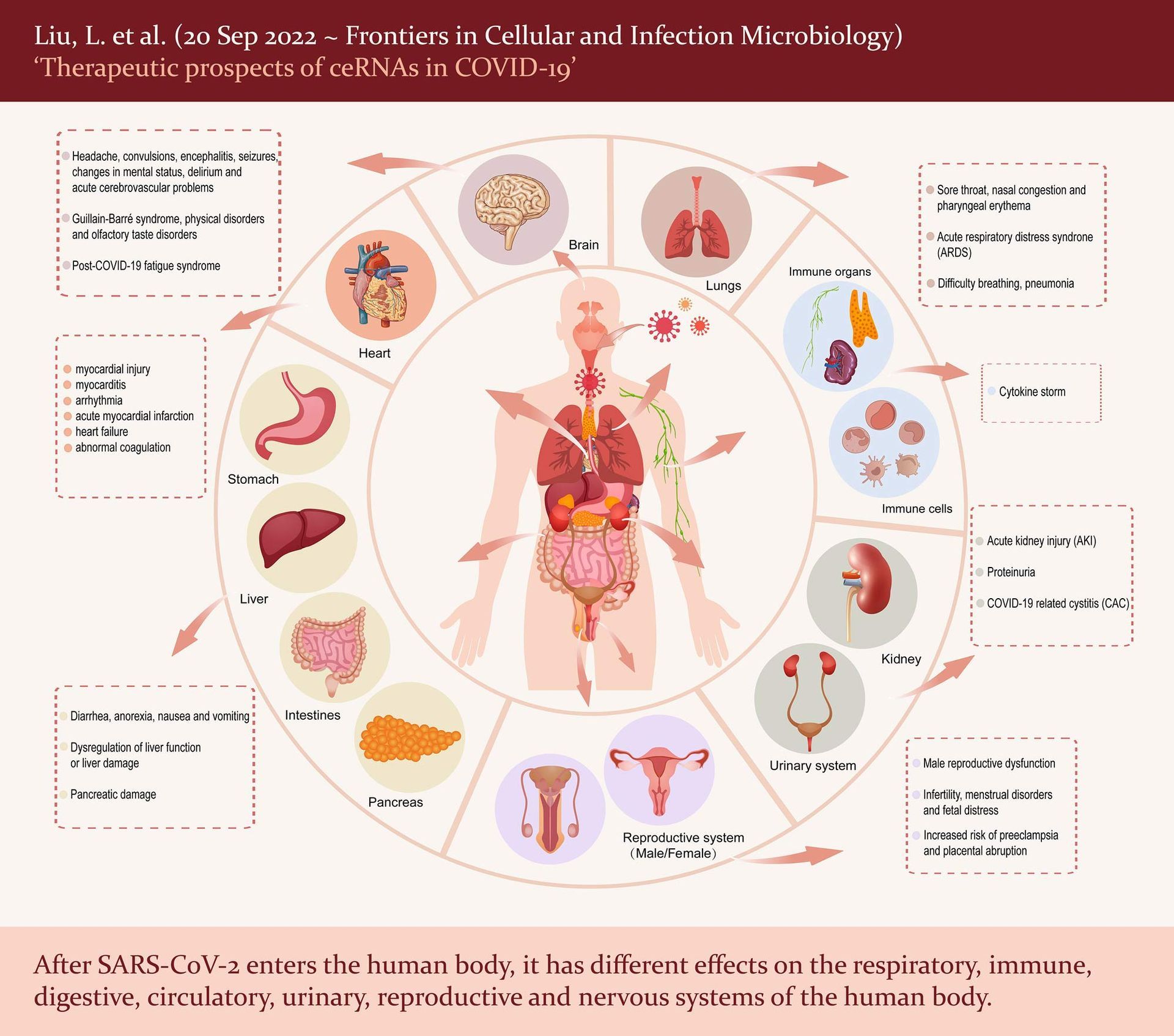
📖 (20 Sep 2022 ~ Frontiers in Cellular and Infection Microbiology) Therapeutic prospects of ceRNAs in COVID-19 ➤
© 2022 Lin Liu et al / Frontiers in Cellular and Infection Microbiology