📖 Long-term neurologic outcomes of COVID-19
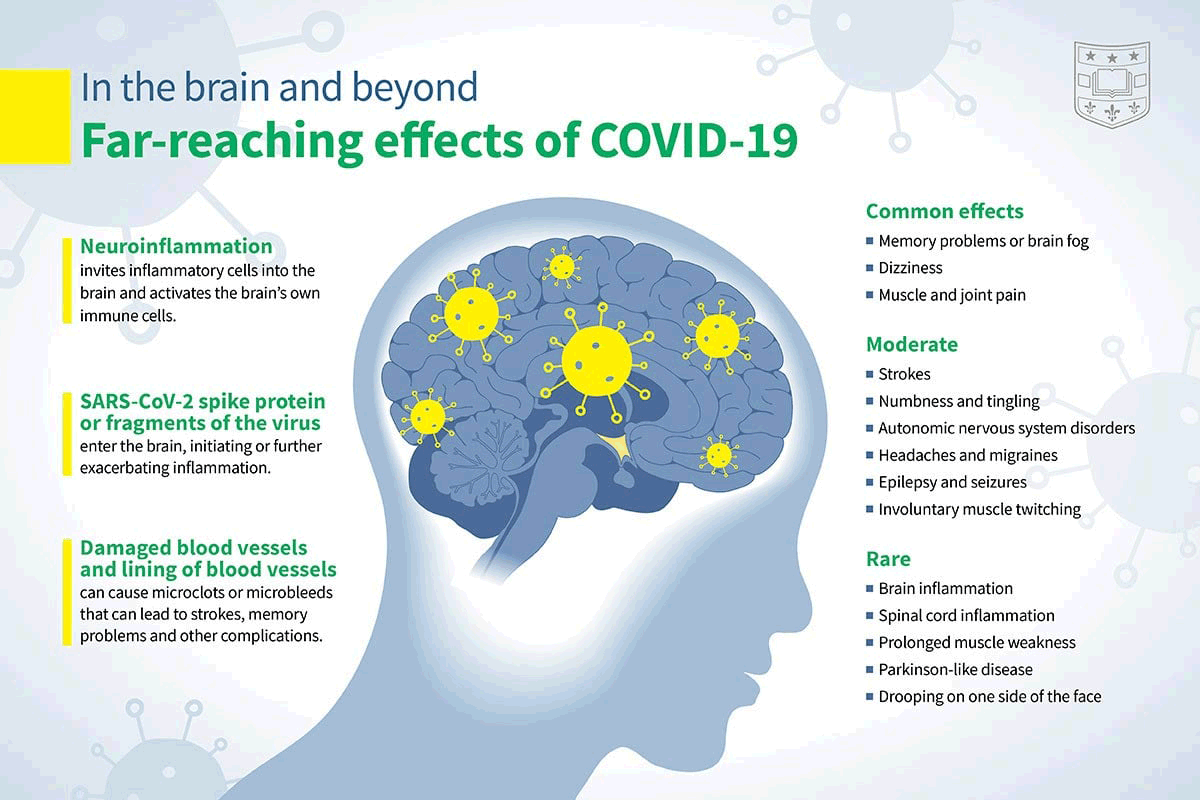
❦ Our results show that in the postacute phase of COVID-19, there was increased risk of an array of incident neurologic sequelae including ischemic and hemorrhagic stroke, cognition and memory disorders, peripheral nervous system disorders, episodic disorders (for example, migraine and seizures), extrapyramidal and movement disorders, mental health disorders, musculoskeletal disorders, sensory disorders, Guillain-Barré syndrome, and encephalitis or encephalopathy.
❂
📖 Related: (22 Sep 2022 ~ Washington University School of Medicine in St. Louis) COVID-19 infections increase risk of long-term brain problems ➤
Those who have been infected with the [SARS-CoV-2] virus are at increased risk of developing a range of neurological conditions in the first year after the infection.
Such complications include strokes, cognitive and memory problems, depression, anxiety and migraine headaches.
Additionally, the post-COVID brain is associated with movement disorders, from tremors and involuntary muscle contractions to epileptic seizures, hearing and vision abnormalities, and balance and coordination difficulties as well as other symptoms similar to what is experienced with Parkinson’s disease.
❂
📖 (22 Sep 2022 ~ Nature Medicine) Long-term neurologic outcomes of COVID-19 ➤
© 2022 Xu, Xie & Al-Aly / Nature: Medicine.