📖 Impact of COVID-19 on male and female reproductive health
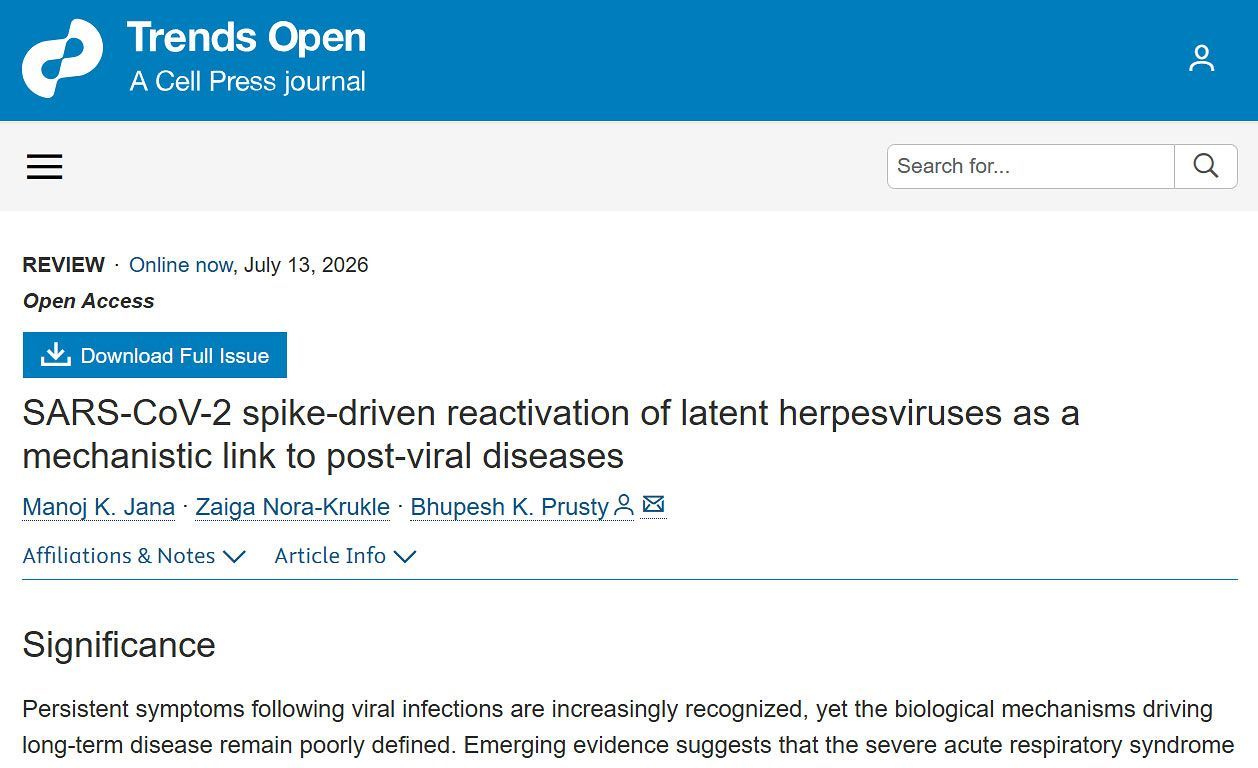
❦ SARS-CoV-2 is speculated to affect the ovary’s follicular membrane and granular cells, influence the growth of follicles and the quality of oocytes, lessen the ovarian reserve function, and cause infertility or pregnancy loss.
It can also damage the endometrial epithelial cells that affect early embryo implantation.
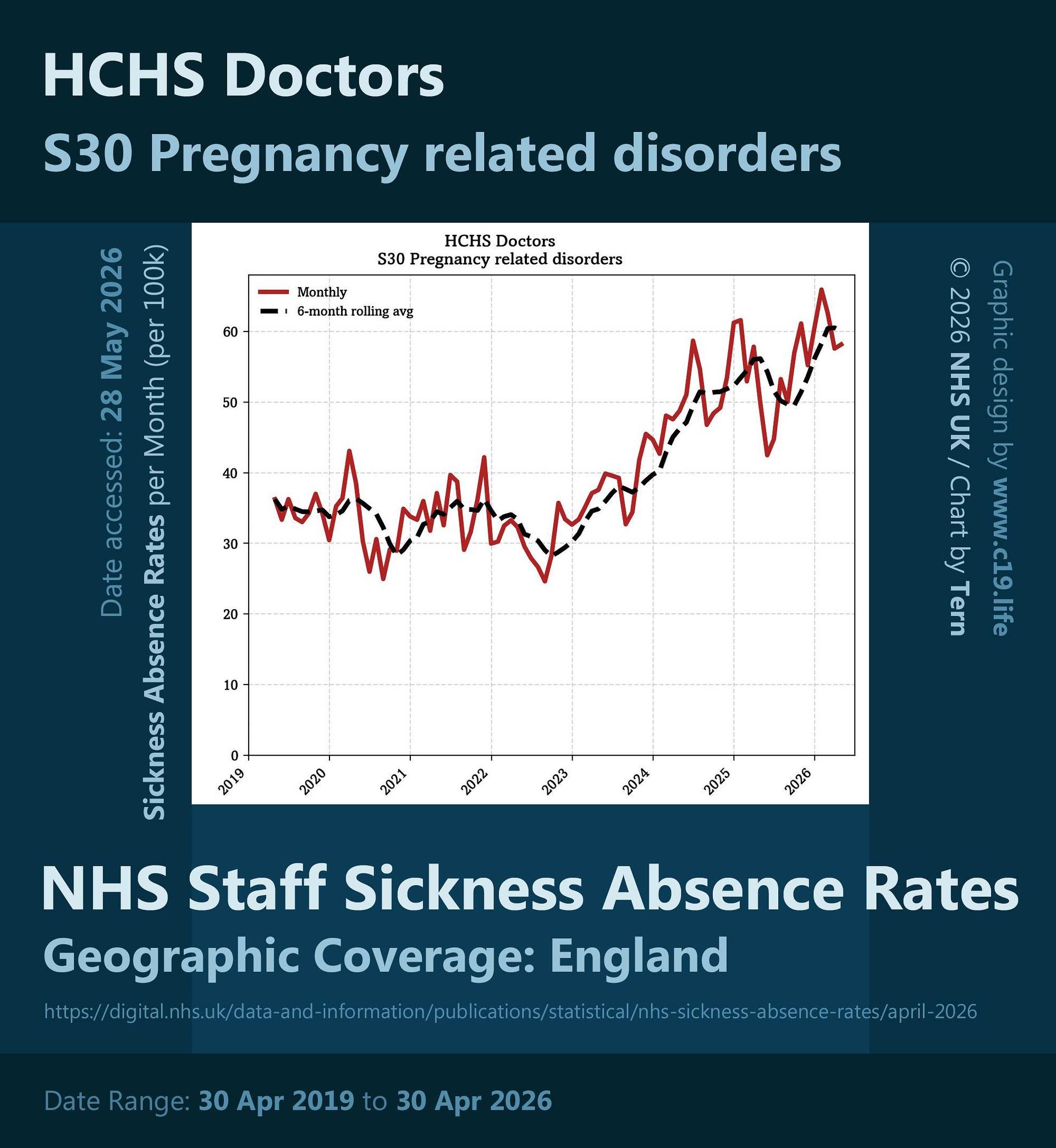
Several studies have suggested that SARS-CoV-2 can indirectly affect fetal growth in pregnant women.
Studies have reported that all SARS-CoV-2 infected males had orchitis at autopsy.
The testis has a risk of COVID-19 infection but the mechanism of infection is still not clear.
Studies also suggest that the expression of ACE2 in testicular cells is associated with age.
The highest expression was reported in the 30-year-old age group, while the lowest was reported in the 60-year-old group.
COVID-19 infection could result in more severe testicular damage in young men than older men.
SARS-CoV-2 infections in males have also been associated with a higher risk of male sterility.
Semen analysis also reported that patients with moderate infection showed lower sperm concentration, a lower total number of sperm per ejaculate, motile sperm, and progressively motile sperm than healthy individuals.
❂
📖 (19 Jan 2022 ~ News Medical Life Sciences) Impact of COVID-19 on male and female reproductive health ➤
© 2022 Suchandrima Bhowmik / News Medical Life Sciences.